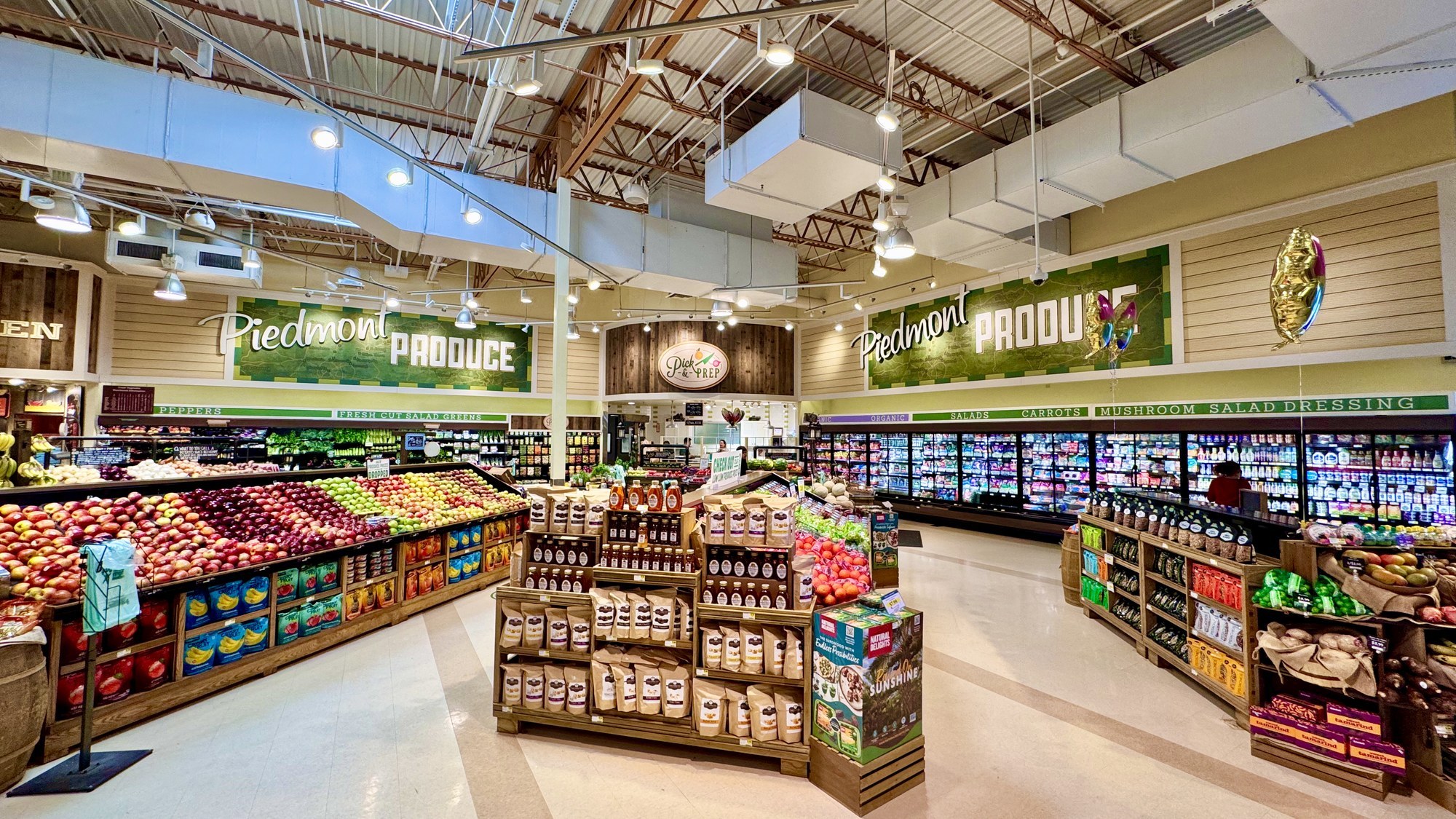
Amazon is shutting down nearly all of its Amazon Go convenience stores and Amazon Fresh grocery locations, ending one of the company’s most visible experiments in physical retail. The closures, confirmed in late January 2026, affect a format that once promised to redefine how consumers shop for groceries and grab-and-go meals. The retreat raises pointed questions about where Amazon will redirect the capital and engineering talent it poured into cashierless checkout technology.
Why the Go and Fresh closures hit Amazon’s retail strategy hard
Amazon spent years building out its physical-store footprint around a simple pitch: walk in, pick up what you need, and leave without waiting in a checkout line. The Just Walk Out technology behind Amazon Go stores became a signature brand showcase, while Amazon Fresh locations tested a broader grocery model with smart carts and automated shelving. Both formats attracted attention but never reached the scale or profitability that Amazon’s core e-commerce and cloud businesses deliver.
The decision to close these stores signals that the financial returns did not justify continued operation. Amazon’s 2025 annual filing with the SEC details the company’s physical-stores segment and references material risks tied to that business. The filing’s management discussion sections outline impairment considerations and strategic shifts that frame the pullback as part of a broader reassessment rather than a sudden reaction.
A reasonable expectation is that capital freed from maintaining and staffing brick-and-mortar locations will flow toward automated fulfillment centers and AI-driven inventory systems. If that reallocation happens, it should show up in Amazon’s quarterly capital expenditure disclosures and in the margins reported for its physical-store segment over the next several quarters. The hypothesis is straightforward: closing underperforming stores lets Amazon concentrate spending where returns are higher, particularly in logistics infrastructure that supports its dominant online business.
SEC filings and reporting confirm the scale of Amazon’s retreat
Two primary records anchor the story. Amazon’s Form 10-K for the fiscal year ended December 31, 2025, provides the financial framework. The filing discloses how Amazon accounts for its physical-stores segment, including language around asset impairments and ongoing strategic evaluation. While the 10-K does not break out line-item charges specific to Go or Fresh locations, its broader discussion of store-related risks aligns with the timing of the announced closures and suggests that management had been weighing options well before the public announcement.
Separately, Bloomberg coverage reported that Amazon is closing its Fresh grocery and Go convenience stores, describing a near-total exit from both formats. That reporting, published January 27, 2026, confirmed the scope of the shutdowns and provided the public-facing signal that the company was stepping back from its most ambitious brick-and-mortar experiments. No direct executive statements or board minutes on the decision have surfaced in Amazon’s regulatory filings, leaving spokesperson comments in news accounts as the primary attributable voice explaining the rationale.
Taken together, the SEC disclosures and independent reporting point to a strategic retreat rather than a tactical tweak. Instead of repositioning or rebranding the stores, Amazon is largely walking away from them, accepting write-downs and transition costs in exchange for a cleaner balance sheet and a sharper focus on businesses with clearer paths to scale.
Unanswered questions about store counts, workers, and technology reuse
Several gaps remain in the public record. The exact number of stores affected has not been specified in Amazon’s SEC filings, and detailed closure timelines, including which locations close first and over what period, are absent from the 10-K. Impairment charges tied specifically to Go and Fresh locations are referenced only in general language about property and equipment, leaving investors to infer the magnitude of store-level losses from segment data rather than from explicit line items.
The fate of workers at shuttered locations is also only partially addressed. Public reports note that Amazon has discussed options such as transfers and severance, but comprehensive headcount figures and retention outcomes have not been broken out in regulatory documents. Without that detail, it is difficult to gauge how much institutional knowledge about in-store operations and computer-vision systems will remain inside the company after the closures are complete.
What happens to the underlying technology is the other major open question. The computer-vision models, sensor arrays, and back-end reconciliation systems that powered Just Walk Out and smart carts represent years of engineering work. Amazon can redeploy pieces of this stack into warehouses, third-party licensing deals, or future retail concepts, but there is no formal roadmap in the 2025 filing that spells out how, or where, those assets will be reused.
Investors and partners will be watching for signals in upcoming earnings calls and future SEC reports. Clearer disclosure around capital expenditures, segment margins, and any new commercialization efforts for cashierless technology would help determine whether the Go and Fresh closures mark an end point for Amazon’s physical-retail ambitions or a pivot toward less capital-intensive ways of bringing its automation expertise to market.
For now, the story is one of contraction: a high-profile bet on reinventing grocery and convenience retail is winding down, and the company is absorbing the financial and operational consequences. The next phase will turn on whether Amazon can translate the lessons and technology from this retreat into advantages elsewhere in its sprawling business, or whether the Go and Fresh experiment will stand mainly as a costly reminder of how hard it is to make physical retail work at Amazon scale.