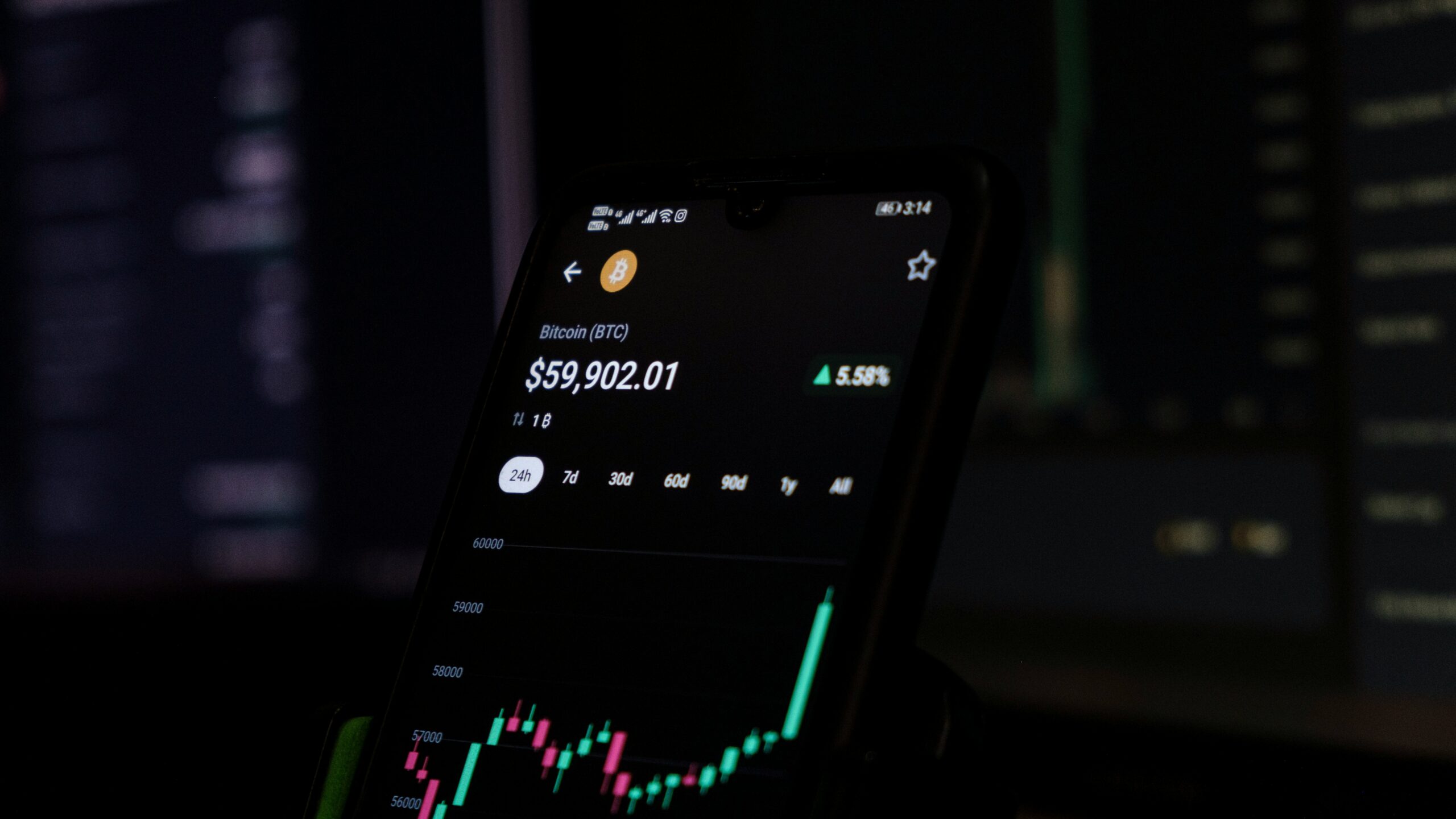
The Securities and Exchange Commission has charged a network of fraudulent crypto platforms and so-called “AI investment clubs” that regulators say defrauded retail investors of more than $14 million. The label was the whole point of the pitch: promoters wrapped an ordinary theft in the two buzzwords doing the most work in finance right now — artificial intelligence and cryptocurrency — and used them to make an empty promise sound like a breakthrough.
The mechanics behind the marketing were far more familiar than the branding suggested. Investors were told that automated, AI-driven trading engines could generate steady profits from digital assets, and that joining a members-only club would give them access to those returns. Behind the dashboards showing rising balances, prosecutors and regulators describe an operation with no real trading engine at all — only incoming deposits and the appearance of gains.
How the “AI” pitch was built
According to charges detailed by the SEC, the operators presented themselves as sophisticated technology ventures, complete with apps, portals, and claims that proprietary algorithms were doing the investing. Members watched account balances climb on screens the promoters controlled, which built confidence and encouraged larger deposits and reinvestment rather than withdrawal.
The “investment club” framing did specific work. It created a sense of belonging and exclusivity, positioned early members as insiders, and turned satisfied participants into recruiters. That social layer is what allowed a modestly sized fraud to reach enough people to accumulate $14 million in losses. The AI language added a second layer of cover, because few retail participants can independently evaluate whether an automated trading system exists, let alone whether it performs as advertised.
Artificial intelligence has become a favored prop for this reason. Regulators have warned repeatedly that the term is being bolted onto investment pitches to imply a level of sophistication and inevitability that the underlying product does not have. A claim that “AI” guarantees profits is not a description of a strategy; it is a marketing phrase engineered to short-circuit skepticism.
Why crypto and AI make a potent combination
The two ingredients reinforce each other. Cryptocurrency deposits can be solicited online, moved quickly, and are difficult for an ordinary participant to trace, which makes it hard to confirm where the money actually went. Artificial intelligence supplies a plausible-sounding explanation for returns that would otherwise look impossible. Together they let promoters answer the obvious question — how are these gains generated? — with a response that sounds technical enough to end the conversation.
Securities regulators have flagged exactly this pattern. The SEC’s investor guidance on virtual-currency and digital-asset schemes warns that fraud promoters exploit the excitement around new technology, promising high guaranteed returns and using unregistered platforms that operate outside the safeguards of licensed brokerages. The presence of an app or a slick interface is not evidence that an investment is real; fabricated dashboards are among the cheapest components of a modern scheme.
The consistent warning sign remains the same across every version of the pitch. Legitimate investments carry risk and fluctuate. An offer of steady, guaranteed, or unusually high returns — especially one delivered through a members-only group and a proprietary system that cannot be independently verified — is the clearest indicator that the numbers on the screen are not backed by genuine trading.
The role of recruitment and trust
Part of what makes “club” structures dangerous is that they spread through existing relationships. A recruit often hears about the opportunity from someone they know and trust — a friend, a relative, a member of the same community or congregation — rather than from a stranger. That trust lowers the natural guard that a cold sales call would trigger.
Regulators classify this dynamic as affinity fraud, and the SEC notes that schemes exploiting group ties are particularly effective because victims rely on the endorsement of a familiar face instead of verifying the underlying investment. The people doing the recruiting are frequently victims themselves who genuinely believe the returns are real, which is why the losses can widen rapidly before anyone realizes the money is gone. In an “AI investment club,” every satisfied member is a potential salesperson, and every referral deepens the pool of exposed funds.
Practical defenses that still work
The safeguards against this kind of scheme have not changed, even as the branding has. Registered securities and licensed professionals can be looked up through free government databases, and an operator who cannot be verified — or who discourages the question — is a reason to walk away. Legitimate firms provide statements from independent custodians rather than in-house apps that only the promoter can edit. Requests to recruit others for bonuses, or pressure to reinvest instead of withdrawing, signal an operation that depends on new deposits to survive.
A useful test cuts through most of the technology: any pitch that promises guaranteed or consistently high returns should be treated as suspect regardless of whether it invokes artificial intelligence, cryptocurrency, or both. The technology is the costume, not the substance. Fraud investigators note that the same claim — reliable profits with little or no risk — has powered schemes for generations, long before either buzzword existed.
For older investors, who fraud data consistently shows lose the largest dollar amounts per case, the practical message is to slow the decision down. Verifying a promoter, confirming that an investment is registered, and refusing to be rushed by exclusivity or fear of missing out are steps that cost nothing and routinely expose these operations before a deposit is made.
The $14 million in this case represents savings that flowed into an operation dressed up as cutting-edge finance. The charges bring accountability, but they arrive after the money moved. As the tools of fraud modernize, the underlying lesson holds steady: a genuine investment can be verified, and a guarantee of easy, automated wealth is the oldest warning sign in the book.
This article was produced with AI assistance and reviewed before publication.
Free tool for readers: You check your blood pressure — when did you last check your retirement? You can get your free Retirement Safety Score in about five minutes, with no sign-up to see it.