The taxes the United States charges on imported goods have quietly risen to a level the country has not seen in roughly eight decades. The average effective tariff now sits in the low double digits, the steepest since the 1940s, and another round of increases is scheduled to take hold in August. For households already stretched by higher prices, the shift is less an abstract trade-policy debate than a forecast for what store shelves may cost in the months ahead.
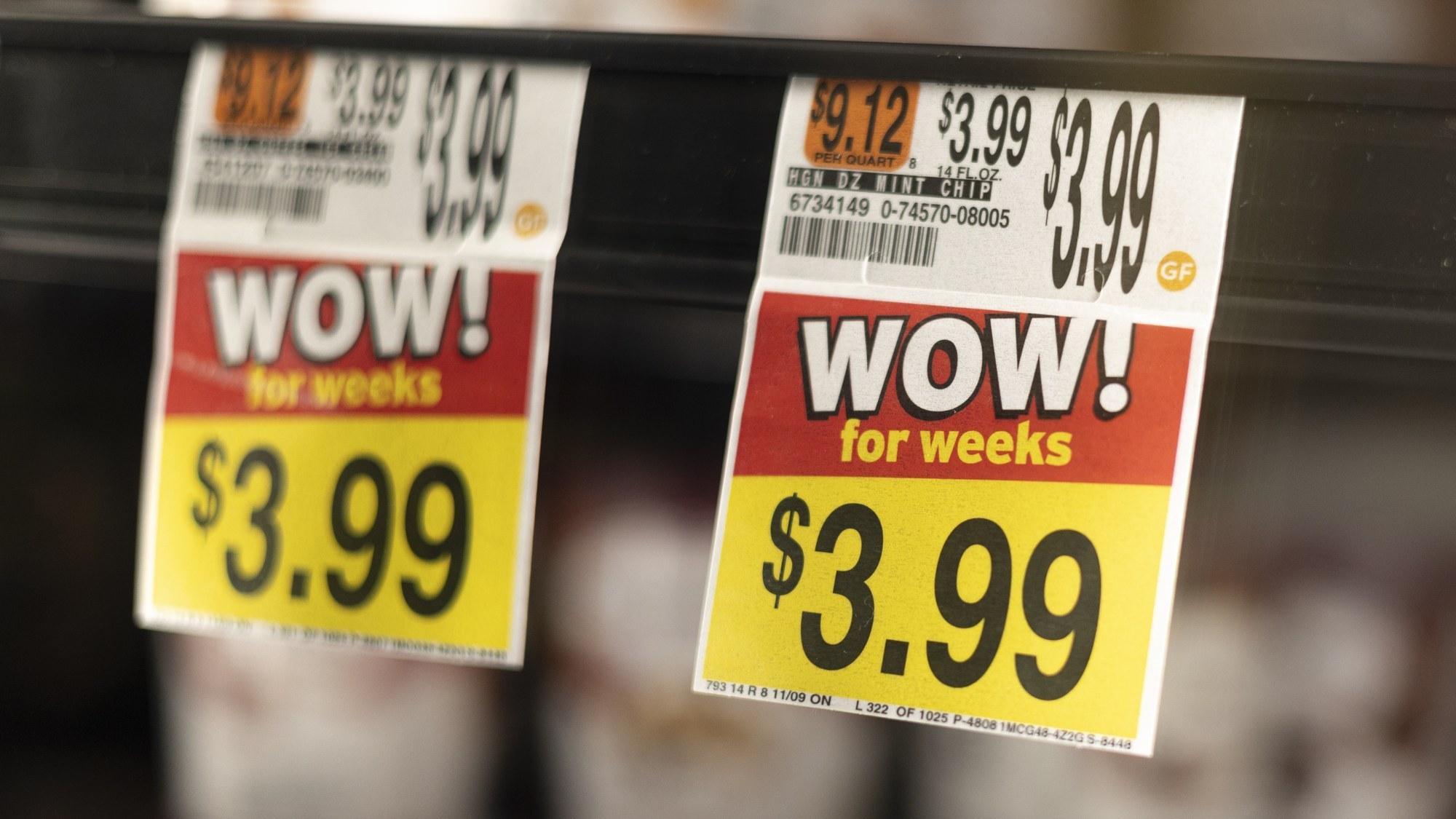
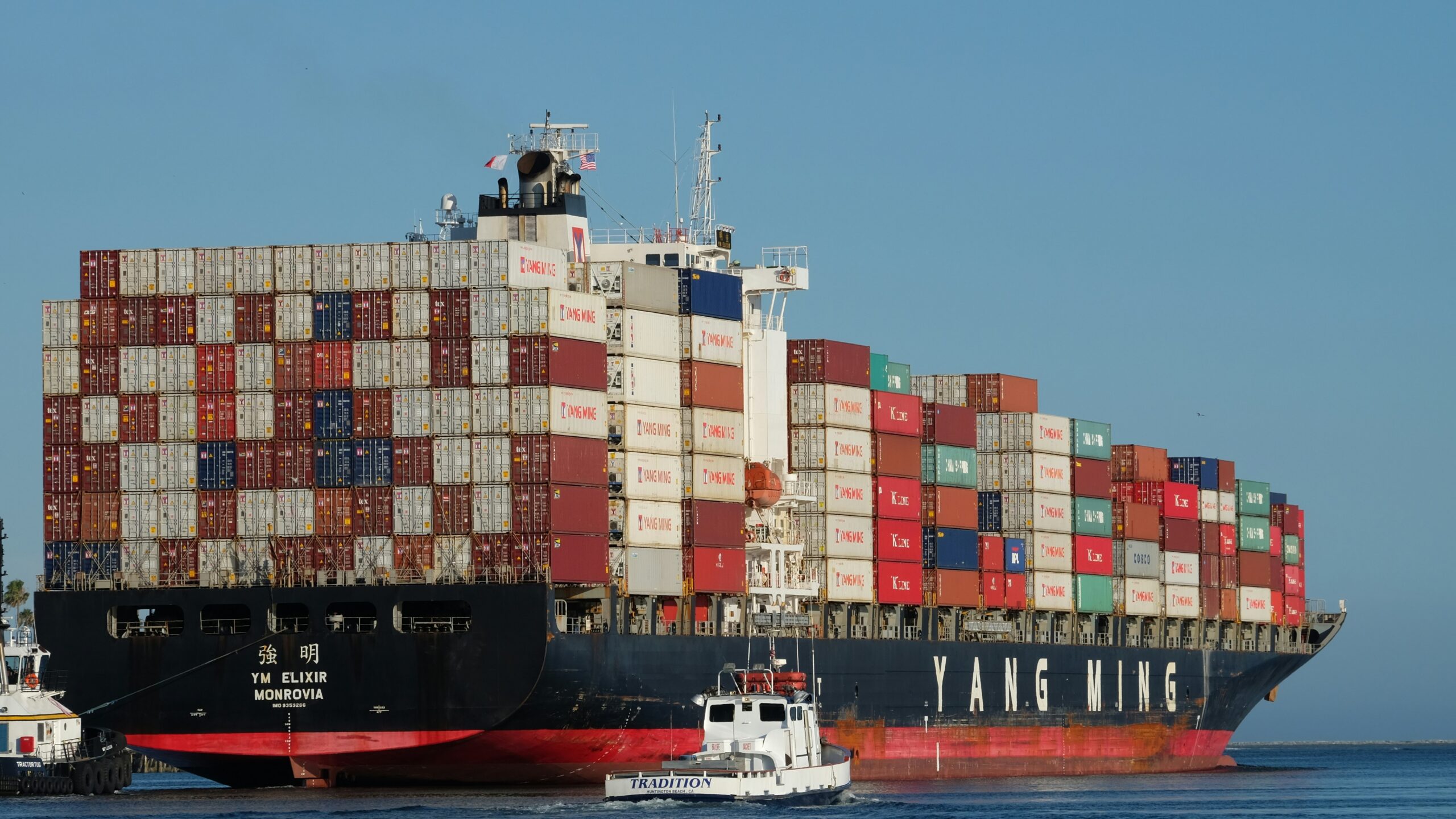
Tariffs are paid in the first instance by the American companies that bring goods into the country, not by the foreign nations that make them. Those importers typically pass at least part of the added cost along to shoppers. That is why a rise in the average tariff tends to show up, with a lag of weeks or months, in the price of cars, appliances, clothing and groceries — the everyday spending that weighs most heavily on retirees living on fixed incomes.
How high tariffs have climbed
The scale of the increase is what makes this moment unusual. Reporting from NBC News put the average effective tariff rate at roughly 10% to 13%, a level not reached since the 1940s. For most of the past half-century, the effective rate hovered in the low single digits, so close to zero that it barely registered in the price of most imported goods.
Moving from around 2% or 3% to the low double digits represents a fundamental change in how much it costs to bring products into the country. A duty in that range does not simply nick a company’s margins; it is large enough that businesses generally cannot absorb it quietly. They tend to respond by raising prices, shrinking package sizes, dropping lower-margin products, or reworking where they source their goods — and each of those responses eventually reaches consumers in one form or another.
What happens in August
The pressure is set to build rather than ease. Coverage from Talk Business & Politics noted that a tariff pause is due to expire on July 24, with a fresh round of duties expected to follow in August. Retailers have seen this coming and reacted the way importers usually do before a deadline: by front-loading shipments to beat the higher rates.
That surge in imports has a short-term upside and a longer-term catch. In the near term, goods that cleared customs before the increases can be sold at today’s prices, which may keep some shelves stocked and some deals alive through the summer. But once that pre-tariff inventory sells through, the newer, more expensive stock takes its place, and the price increases that were postponed tend to arrive all at once in the fall. The August round, in other words, is a bill that lands on shoppers later in the year rather than the day it takes effect.
Where the costs land
Not every product moves in lockstep, which is why the effect can be hard to spot at first. The government tracks these shifts through the Consumer Price Index, and the Bureau of Labor Statistics breaks the data down by category so the pressure can be seen where it actually falls. Goods with heavy import exposure — electronics, furniture, apparel, auto parts and many household staples — tend to feel tariff increases first and most sharply.
Domestic services and locally produced items are more insulated, so the overall inflation number can look calmer than the experience of a household that buys a lot of imported goods. A retiree replacing an appliance, buying tires or restocking a wardrobe may run into price jumps well above the headline rate, even in a month when the broad index looks tame. The averages smooth over exactly the purchases that hit a fixed budget hardest.
The stake for older households
Fixed incomes are the reason this matters more for retirees than for many working families. A paycheck can rise, at least sometimes, to keep pace with prices. Social Security adjusts once a year through its cost-of-living increase, and that adjustment is backward-looking — it reflects inflation that has already happened rather than the increases still working their way through the supply chain. When a new wave of tariffs pushes prices up mid-year, retirees absorb the gap until the next adjustment catches up, if it fully does.
Savings feel the squeeze too. Money set aside for a fixed goal buys a little less each time the cost of imported goods climbs. That erosion is gradual and easy to overlook month to month, but over a retirement measured in decades it adds up, which is why a durable plan accounts for rising prices rather than assuming today’s costs hold steady.
What it means for a retirement budget
The practical response is not to try to outguess trade policy, which shifts with each headline, but to build in room for higher prices. Households heading into the fall can expect imported goods to cost more once the pre-tariff inventory clears, and planning larger purchases — a car, a major appliance, a big-ticket repair — around that timing can soften the blow. Buying before the newer, higher-cost stock arrives is one of the few levers a shopper actually controls.
For a longer-range retirement plan, the tariff story is a reminder that inflation is not a single number but a moving target that hits different budgets differently. A household that leans heavily on imported goods will feel a stronger pinch than the overall index suggests, and a spending plan that assumes prices stay put is planning for a world that no longer exists. The average tariff reaching an 80-year high is the kind of quiet structural change that reshapes the cost of everyday life slowly, then all at once — and the budgets that fare best are the ones that leave themselves a cushion before the next round takes effect.
This article was produced with AI assistance and reviewed before publication.
Free tool for readers: Most people don’t find out they’re off track until it’s too late. You can see where your retirement stands with a free Retirement Safety Score in about five minutes — no sign-up required to see it.