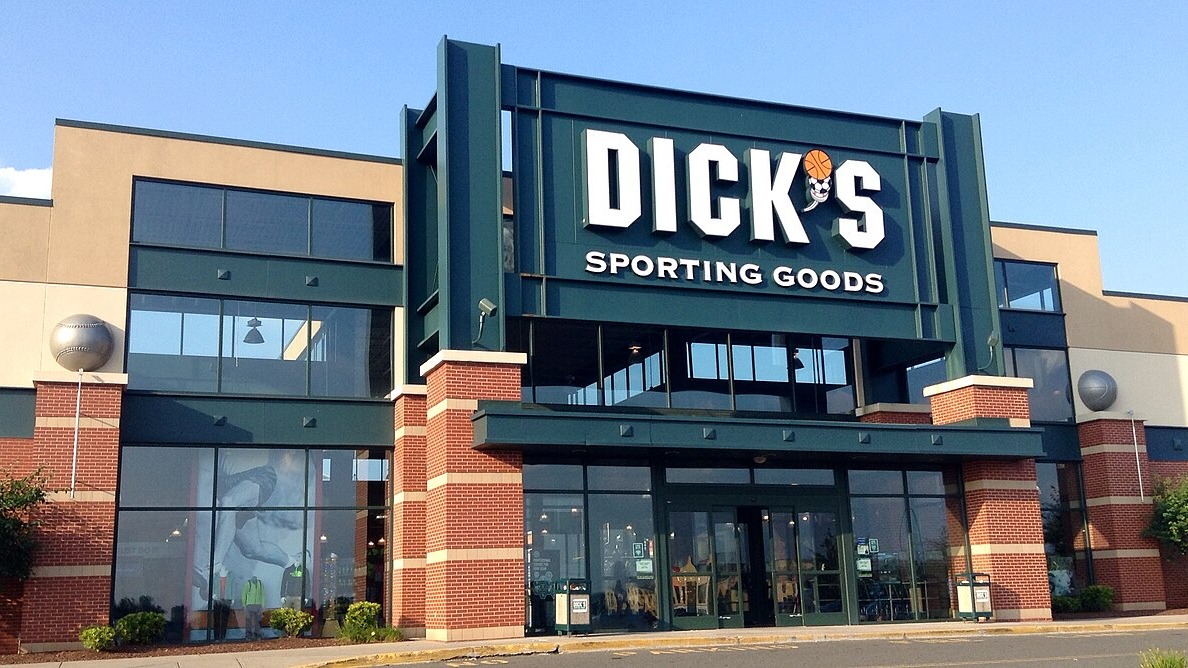
Dick’s Sporting Goods, having bought the sneaker retailer Foot Locker in a deal valued at roughly $2.4 billion, is now moving to shut as many as 400 of the acquired stores. The closures target the weakest-performing locations in the Foot Locker fleet and are expected to play out through 2026, part of the hard work of digesting a large acquisition and deciding which pieces are worth keeping.
Buying a rival is the easy part. The difficult part is what comes next: reconciling two store networks, cutting the overlap, and closing the doors that no longer earn their keep. For hundreds of Foot Locker locations — many of them in malls that have lost the foot traffic they once counted on — the verdict is that they cost more to run than they bring in. The result is a wave of closures that will reshape the sneaker-retail map.
The logic behind the closures
When one retailer acquires another, the combined company almost always ends up with stores that compete with each other or sit in markets that can no longer support them. Pruning that footprint is how the buyer captures the savings that justified the purchase in the first place. Targeting up to 400 underperforming Foot Locker stores for closure is exactly that kind of housekeeping, according to an industry analysis of retailers under pressure.
Foot Locker’s heavy presence in enclosed shopping malls is central to the problem. Mall-based specialty retail has been in a long decline as shoppers shifted online and as anchor department stores closed, dragging down traffic for the smaller tenants around them. A sneaker chain built for the mall era finds itself with too many stores in the wrong places, and closing the weakest of them is the fastest way to stop the bleeding.
For Dick’s, the acquisition is a bet that Foot Locker’s brand, its urban and mall locations, and its relationships with major athletic-shoe makers are worth owning even if a big chunk of the store base has to go. The $2.4 billion price tag reflects that ambition. Whether the bet pays off depends on how cleanly the company can shed the dead weight while keeping the stores and partnerships that still matter.
The sneaker business adds a wrinkle that most retail does not have. A handful of dominant athletic-shoe makers control the products shoppers line up for, and their willingness to keep supplying a retailer — and to release the most sought-after models through it — can make or break the store. Owning Foot Locker gives Dick’s a bigger seat at that table, but only if enough of the network survives to matter to those suppliers. Closing too many doors could weaken exactly the leverage the acquisition was meant to buy, which is why the choice of which 400 stores to shutter is as important as the number itself.
Who feels the closures
A closure of up to 400 stores is not an abstraction for the people who work in them. Retail employment is one of the largest sources of jobs in the country, and store-level workers — sales associates, assistant managers, part-timers — are the ones most exposed when locations go dark. Federal labor data on retail sales workers shows just how many households depend on exactly the kind of frontline jobs these closures put at risk.
The pain also spreads to the communities around each shuttered store. A closing anchor or specialty tenant reduces traffic for neighboring shops, chips away at a mall’s viability, and can leave landlords scrambling to fill space in an already-soft market. One closure rarely stays contained; it tends to accelerate the decline of the retail center it leaves behind.
Shoppers will notice too, though the effect varies by market. In some areas the nearest Foot Locker will simply disappear, pushing customers online or to a competitor. In others, overlapping stores mean a closure changes little for consumers even as it changes everything for the affected employees. The company is betting it can trim the network without losing the customers — a balance that is easier to describe than to execute.
What investors should take from it
For investors, the Foot Locker closures are a reminder that acquisitions are judged over years, not headlines. Dick’s is a publicly traded company, and the market will watch closely to see whether the integration delivers the promised savings or turns into a costly distraction. Material developments in a deal of this size — store-closure charges, restructuring costs, updated forecasts — surface in a company’s public filings, such as the current reports on file with securities regulators, which give a clearer read than any single day’s stock move.
The broader lesson for retirement-minded investors is about the risk buried inside seemingly stable retail names. A well-run acquirer can still stumble on an acquisition, and a wave of store closures can dent earnings before it improves them. That is one more argument for diversification over concentration: no single company, however familiar its logo, deserves an oversized place in a portfolio that has to last through retirement.
A sector still shrinking to fit
The Foot Locker closures fit a pattern that has defined retail for years — companies shrinking their physical footprint to match how people actually shop now. Even a healthy, well-capitalized buyer like Dick’s is concluding that hundreds of the stores it just acquired are worth more closed than open. That is a blunt statement about the state of mall-based specialty retail.
For workers, the practical takeaways are the ones that apply across a turbulent industry: keep an emergency cushion, watch for the early signs of trouble at an employer, and treat no retail job as permanently secure. For shoppers, the changing map is a nudge to notice which stores survive and which vanish. And for the retail sector as a whole, the message from this deal is consistent with everything else happening in 2026 — the store count is still coming down, and even the winners are doing the cutting.
This article was produced with AI assistance and reviewed before publication.
Free tool for readers: You check your blood pressure — when did you last check your retirement? You can get your free Retirement Safety Score in about five minutes, with no sign-up to see it.