Another small bank has gone under, and federal regulators have put a price tag on the cleanup. The failure marks only the second time a U.S. bank has collapsed in 2026, a reminder that even in a relatively calm stretch for the banking system, individual institutions still buckle. The estimated cost to the government’s deposit insurance fund lands in the tens of millions of dollars, a modest figure by the standards of the banking crises of recent memory but a real one all the same.
For the depositors involved, the practical outcome was the quiet, almost invisible process that federal deposit insurance is designed to produce. Accounts kept working, insured balances stayed safe, and most customers experienced little more than a change in the name on the door. That smooth handoff is the entire point of the system built after the bank runs of the Great Depression, and it is worth understanding how the machinery works, especially for older savers who keep a larger share of their money in cash and certificates of deposit.
What failed, and what it will cost
The collapse of Community Bank and Trust, a lender based in West Georgia with roughly $288 million in assets, is expected to cost the Deposit Insurance Fund about $97 million, according to a running tally of 2026 bank failures. It is the second bank to fail this year, following a long stretch in which failures have been rare rather than routine.
The cost figure represents the shortfall the insurance fund absorbs after a failed bank’s assets are sold off and its obligations settled. When a bank collapses, regulators typically arrange for a healthy institution to take over the deposits and buy much of what the failed lender owned. Whatever gap remains between the value of those assets and the money owed to insured depositors is covered by the fund, and that gap is what the $97 million estimate captures. On a bank of this size, that shortfall reflects how far the value of its loans and other holdings had deteriorated before regulators stepped in.
How the deposit insurance fund works
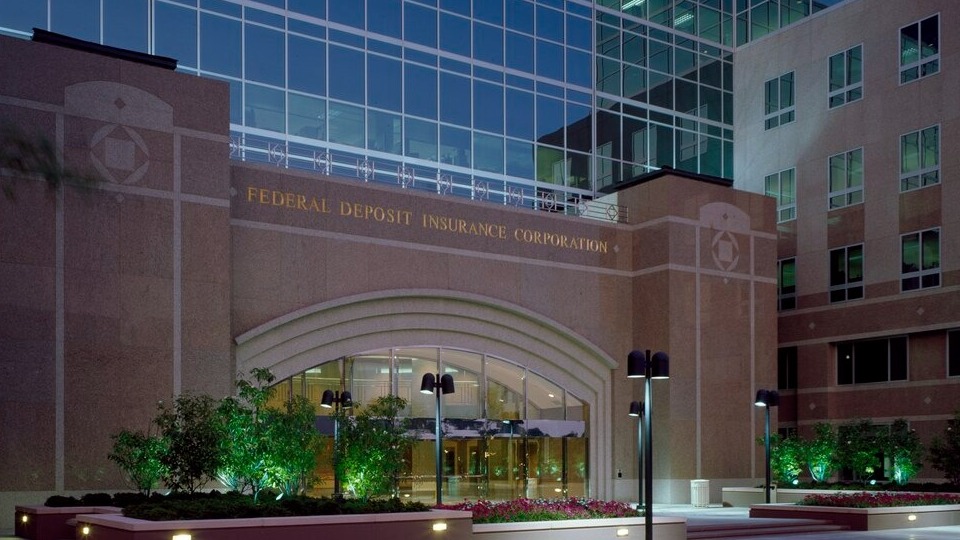
The Deposit Insurance Fund is not taxpayer money. It is financed by premiums that banks themselves pay to the Federal Deposit Insurance Corporation, the agency Congress created in 1933 to stop the panic-driven bank runs that had wiped out savers’ life savings. Every insured bank pays into the fund, and when one of them fails, the fund makes depositors whole up to the insured limit. The result is that the banking industry, in effect, insures itself, with the government agency managing the pool.
The standard insurance limit is $250,000 per depositor, per insured bank, for each account ownership category. A single person with a checking account, a savings account and a CD at the same bank has those balances added together and covered up to $250,000. A married couple with a properly structured joint account can be covered for more, because joint and individual accounts fall into different categories. Money spread across separate insured banks is covered separately at each one, which is how savers with larger balances keep everything protected: by not letting the total at any one institution climb past the limit.
Why most depositors never feel a failure
When a bank fails, the FDIC almost always resolves it over a weekend, so that branches and online banking reopen under a new owner by the next business day. Insured depositors usually keep the same account numbers, the same debit cards and access to their money without interruption. In the overwhelming majority of failures, no insured depositor loses a penny. The disruption falls mainly on the bank’s shareholders, who can be wiped out, and on any depositors who had parked more than the insured limit at the failed institution.
That last group is where the real risk lies. Balances above $250,000 in a single ownership category are not automatically protected, and while regulators sometimes manage to cover uninsured deposits when a buyer takes over the whole bank, there is no guarantee. The lesson that surfaces after every failure is the same: keeping any one account comfortably under the insurance ceiling, and confirming that a bank actually carries FDIC insurance, are the two steps that turn a bank collapse from a personal catastrophe into a non-event.
A rare event, not a warning siren
Two failures in a year is a low number by historical standards. The FDIC’s record of past bank failures shows years with dozens of collapses, particularly during the financial crisis that began in 2008, when hundreds of banks went under over a handful of years. Against that backdrop, a pair of small-bank failures suggests stress in specific institutions rather than a systemwide crack. Individual banks can fail for reasons that have nothing to do with the broader economy — bad loans concentrated in one industry, poor management, or a run of losses that erodes the cushion regulators require them to hold.
For savers, the takeaway is reassurance rather than alarm, paired with a prompt to check the basics. The $97 million cost is a real expense to the insurance fund, but it is being absorbed by the industry-funded system exactly as designed, and the depositors of the failed Georgia bank were shielded from loss up to the insured limit. The episode is less a signal that the banking system is fraying than a routine demonstration of the safety net doing its job. The one action within any saver’s control is to make sure every dollar sits inside the coverage rules, so that if the bank on the corner ever ends up on next year’s failure list, the only thing that changes is the sign out front.
This article was produced with AI assistance and reviewed before publication.
Free tool for readers: Curious where your retirement stands on a 0–100 scale? You can get your free Retirement Safety Score in about five minutes — no account, no bank details, just your number and a few steps to improve it.