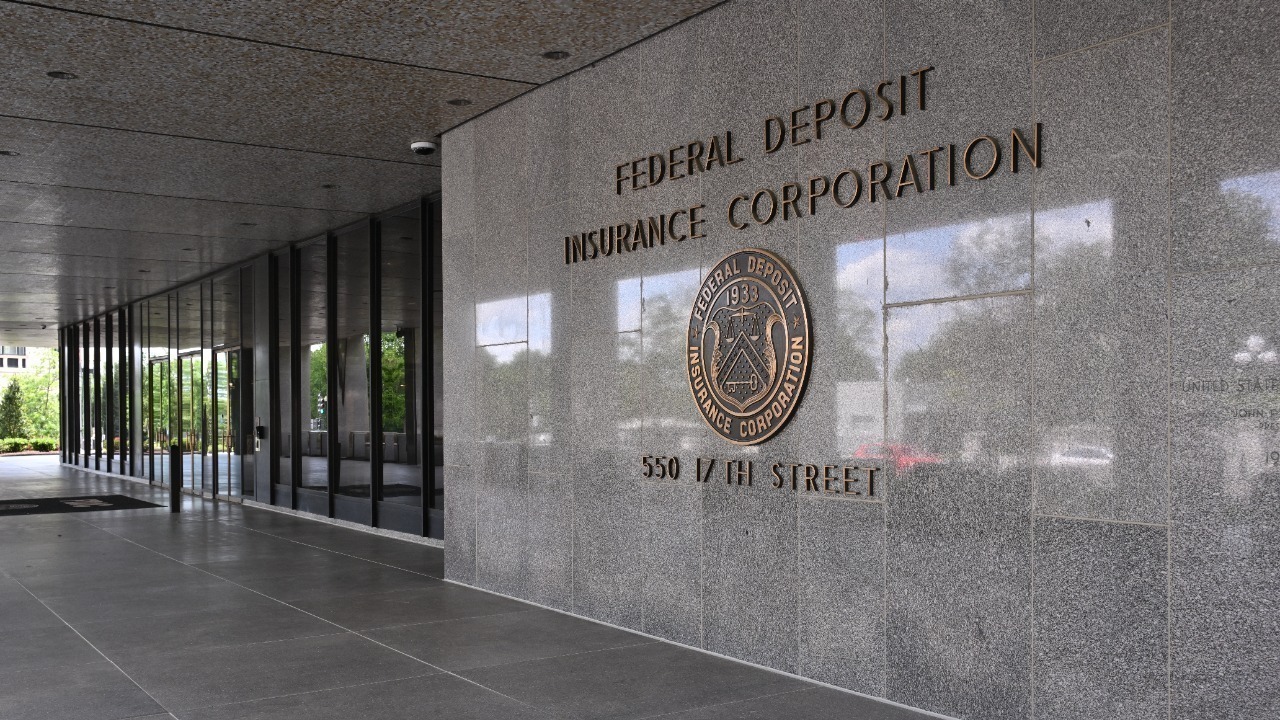
An online advertisement for a certificate of deposit paying an eye-catching rate can be a genuine offer or the bait in a scam. Before sending money to any bank found online, a person can verify in under a minute whether the institution is real and federally insured. A free government tool makes that check simple, and using it defeats a growing category of fake-bank fraud.
The fake-bank problem
Scammers set up websites that mimic legitimate banks, sometimes copying the name or branding of a real institution, and advertise unusually high deposit rates to lure savers. The Federal Deposit Insurance Corporation warns about fake banks and entities misusing its name, noting that fraudsters may falsely claim FDIC insurance to appear trustworthy. A person who wires money to such a site can lose it entirely, with no insured institution standing behind the deposit.
The appeal of these scams is a rate that stands out from the crowd. Because savers naturally seek the best return, an offer well above prevailing rates draws attention, and the scammer counts on the promise of extra yield to override caution. The false claim of federal insurance is meant to close the sale by suggesting the money would be protected even though it is not.
Free for readers: Scam calls targeting retirees change every week. The free Retirement Shield newsletter flags the ones going around and the one tell that stops each. Sign up free.
How BankFind verifies a bank
The FDIC maintains a free public tool for exactly this situation. Its BankFind Suite lets anyone look up whether an institution is an FDIC-insured bank, confirm its official name and location, and see details such as its charter and history. Searching for the bank’s name returns whether it is genuinely insured, which is the fact a scammer’s fake site cannot honestly claim.
Using it takes only moments. Entering the bank’s name shows whether an insured institution by that name exists and provides its verified information, which can then be compared against the website or offer in question. A mismatch, such as a name that does not appear, an address that does not line up, or a website that differs from the official one, is a strong signal that the offer is not what it claims to be.
Confirming insurance also clarifies what protection a genuine deposit would carry. The FDIC’s overview of deposit insurance explains that insured deposits are protected up to the standard limit per depositor, per bank, for each ownership category, so a saver knows their coverage at a real institution and can recognize a false promise at a fake one.
Extra checks before sending money
Beyond confirming the bank exists, a few more steps guard against imposters. Reaching the bank through contact information from the FDIC record or a separately verified source, rather than a phone number or link provided in the suspicious offer, avoids being routed back to the scammer. Legitimate banks also do not pressure a person to wire money immediately to lock in a rate, so urgency is itself a warning sign.
Being wary of how payment is requested adds another layer. A demand to fund a new account by wire transfer to an individual, or through unusual channels, is inconsistent with how real banks operate. Opening an account at an established, verifiable institution, and funding it through normal secure methods, keeps the money within the insured banking system.
A quick habit worth keeping
The broader lesson is that a rate that seems too good to be true deserves a verification step, and that step is free and fast. Before moving money to any bank or CD discovered online, checking the institution through BankFind confirms whether it is a real, insured bank, and comparing the verified details against the offer exposes most fakes. For a retiree shopping for the best return on savings, that minute of due diligence can be the difference between a sound, insured deposit and an irreversible loss to a fraudulent site. Making the check a routine part of chasing a good rate protects both the principal and the peace of mind of knowing the money is truly insured.
Recognizing the red flags of a fake bank
BankFind confirms whether an institution is real, and a handful of warning signs help flag a fake before the check is even worth running. A rate dramatically higher than what established banks offer is the classic lure, since a scammer uses the promise of extra yield to override caution. Pressure to act immediately to lock in a rate, a demand to fund the account by wiring money to an individual rather than through normal secure methods, and a website that closely imitates a well-known bank’s name or branding are all signals of a scam.
Even a claim of federal insurance is not proof, because fraudulent sites falsely display insurance logos and language to appear legitimate. The FDIC specifically warns about entities misusing its name and claiming insurance they do not have, which is exactly why verifying through the official BankFind tool, rather than trusting the site’s own claims, is the reliable check.
A minute of diligence worth keeping
The broader habit is simple: any deposit rate that seems too good to be true deserves a verification step, and that step is free and fast. Before moving money to any bank or certificate of deposit found online, checking the institution through BankFind confirms whether it is a real, insured bank, and comparing the verified details against the offer exposes most fakes. Reaching the bank through contact information from the official record, rather than a number in the suspicious offer, avoids being routed back to the scammer. For a retiree shopping for the best return on savings, that minute of due diligence can be the difference between a sound, insured deposit and an irreversible loss to a fraudulent site, protecting both the principal and the confidence that the money is truly insured.
Free for readers: Miss an enrollment or claim deadline and it’s gone. The free Retirement Shield newsletter keeps you ahead of the ones that matter. Get the free newsletter.
This article was researched and drafted with AI assistance and reviewed against the linked primary sources.