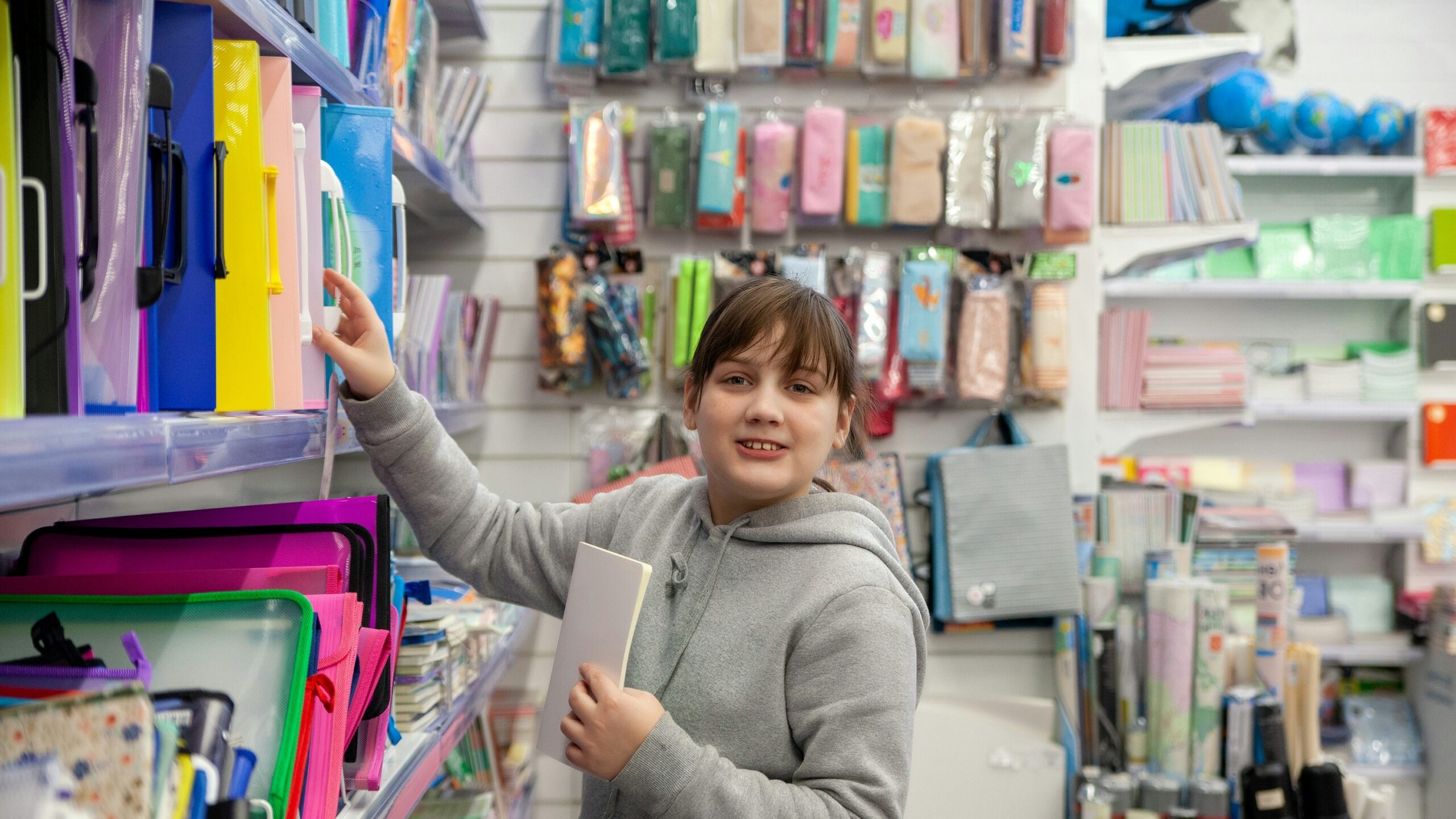
The back-to-school shopping season is shaping up to be more expensive this year, and the reason traces back to the same trade policy reshaping prices across the economy. Retailers and industry groups are warning that notebooks, backpacks, clothing and electronics will cost more this summer as tariffs and higher supply costs land on price tags. For grandparents who help outfit the grandchildren each fall, the season is turning into a preview of how import taxes filter down to the checkout line.
The pressure is showing up early. Major chains have pulled their promotions forward and leaned on short, limited-time deals, a sign that retailers expect shoppers to be unusually price-sensitive and want to capture spending before sticker shock sets in. Back-to-school and back-to-college buying together form one of the largest retail events of the year, second only to the winter holidays, so even modest price increases ripple across millions of household budgets at once.
What the retail data shows
The warning is coming straight from the industry that tracks this spending most closely. In a season preview, the National Retail Federation reported that prices are front of mind for shoppers heading into the 2026 back-to-class season, with cost pressure and supply expenses weighing on the goods that fill school lists. The trade group noted that retailers have moved promotions earlier than usual, a tactic that signals concern about how far family budgets will stretch.
Earlier and heavier discounting might sound like good news, and for a well-timed shopper it can be. But retailers rarely cut into margins out of generosity. Pulling deals forward is usually a defensive move, an attempt to lock in sales before prices on later inventory climb and before cautious shoppers decide to buy less. The early promotions are less a gift than a hedge against a season the industry expects to be tight.
The tariff connection
The thread running through all of this is the cost of importing goods. School supplies, apparel and electronics are heavily sourced from overseas, which makes them especially exposed to the tariffs now sitting at their highest average level in roughly 80 years. Reporting from NBC News pegged the average effective tariff rate at about 10% to 13%, a sharp jump from the low single digits that prevailed for most of the past half-century.
A duty of that size does not stay hidden on a customs form. Importers generally pass at least part of it to shoppers through higher prices, smaller packages or fewer discounts. Because so much of a typical school list — the backpacks, the calculators, the sneakers, the tablets — is made abroad, the back-to-school aisle is one of the places where tariff increases show up most directly. What looks like a seasonal price bump is, in large part, a trade policy reaching the register.
Where prices are rising
Not every item on the list moves the same way, which is why the squeeze can be uneven. The government tracks these shifts through the Consumer Price Index, and the Bureau of Labor Statistics breaks the numbers down by category so the increases can be seen where they actually fall. Import-heavy goods such as apparel, footwear, furniture and consumer electronics tend to feel tariff pressure first, while locally provided services move more slowly.
That unevenness means a family stocking up on clothes and gadgets may face price jumps well above whatever the broad inflation figure suggests in a given month. The headline number blends everything together, smoothing over exactly the imported categories that dominate a back-to-school cart. Shoppers who feel that the season costs noticeably more than the official inflation rate implies are not imagining it; they are simply buying the goods where the increases concentrate.
A stake beyond the school-supply aisle
For older Americans, the back-to-school story is worth watching even for those long past raising children. The same dynamic that lifts the price of a backpack lifts the price of the imported goods retirees buy all year: appliances, tools, clothing, household basics. The school-supply season just happens to compress that pressure into a few visible weeks, which makes it an early read on where everyday costs are heading.
Fixed incomes are what turn that read into a real concern. Social Security adjusts once a year, and the adjustment looks backward, reflecting inflation that has already occurred rather than the increases still moving through the supply chain. When a fresh wave of import costs pushes prices up mid-year, retirees carry the gap until the next cost-of-living increase catches up. The grandparent buying school clothes in August is feeling, in miniature, the same squeeze that will show up in a household budget across the rest of the year.
Stretching the budget
The practical moves are the familiar ones, made more valuable by the price environment. Buying the essentials during the early promotions, before later and pricier inventory arrives, captures the discounts retailers are dangling now. Spreading purchases out rather than filling an entire list in one trip leaves room to catch better deals as they appear. And separating the true necessities from the season’s marketing — the items that genuinely wear out from the ones simply repackaged as must-haves each August — keeps the total in check.
For a retirement budget, the deeper lesson is that inflation is not one number but a moving target that hits different households differently. A budget leaning on imported goods will feel a stronger pinch than the overall index shows, and a plan that assumes prices hold steady is planning for a world that no longer exists. The back-to-school season is a small, well-lit example of a much larger reality: import costs are reshaping the price of ordinary life, and the households that fare best are the ones that see the increases coming and leave themselves a cushion before the bill arrives.
This article was produced with AI assistance and reviewed before publication.
Free tool for readers: Most people don’t find out they’re off track until it’s too late. You can see where your retirement stands with a free Retirement Safety Score in about five minutes — no sign-up required to see it.


