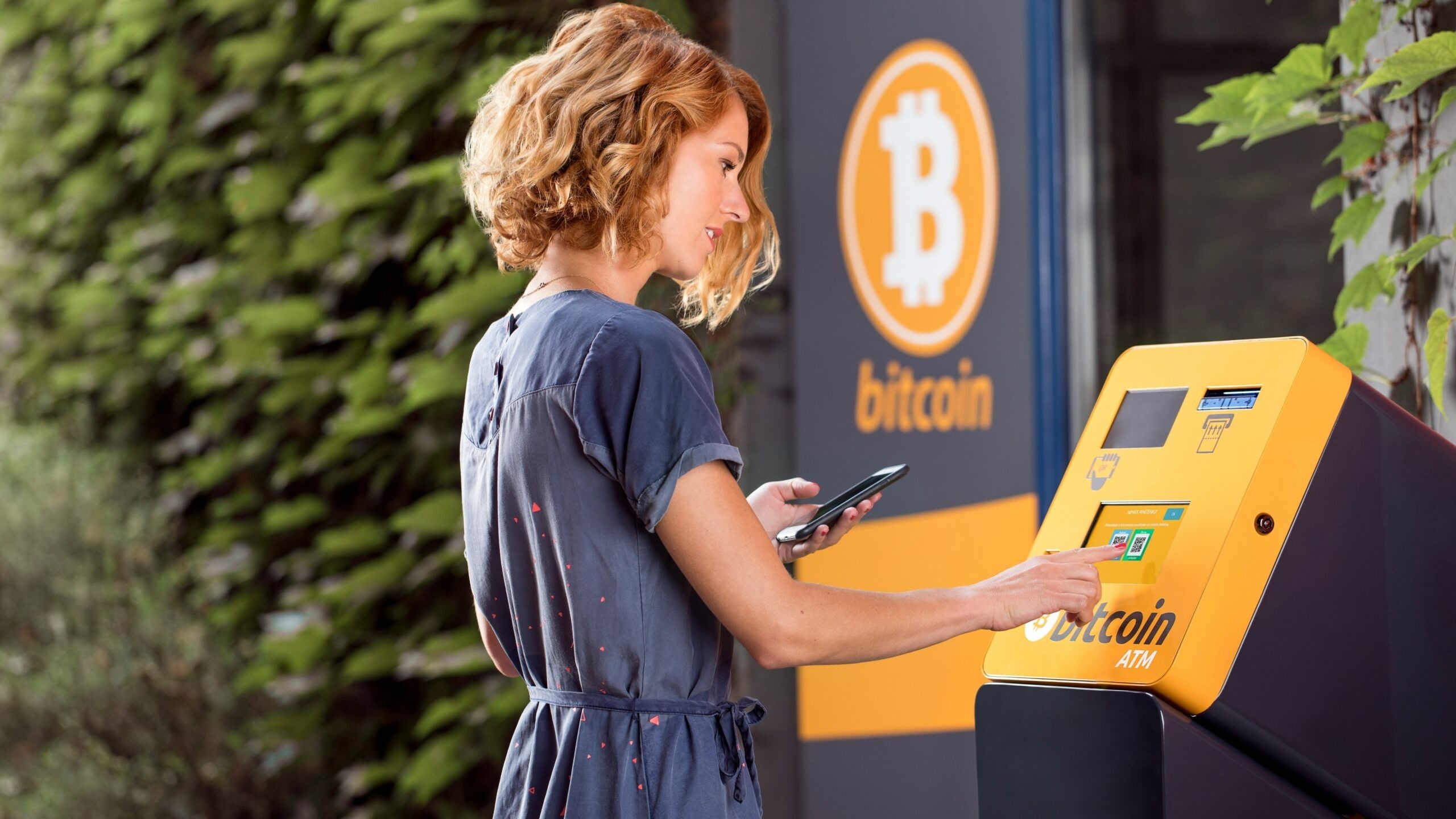
The machines look harmless enough, tucked into the corner of a gas station or a convenience store beside the lottery terminal and the air pump. They accept cash and convert it to cryptocurrency in minutes, and that speed is exactly what has made them a favorite tool of scammers who prey on older Americans. In Texas, the losses funneled through these kiosks reached a scale large enough that state officials are now moving to rein them in.
Almost 1,200 Texans lost a combined $56.8 million through cryptocurrency kiosks in a single year, nearly double the total taken from victims in the second-hardest-hit state. The figure has pushed lawmakers who had largely left the machines unregulated to draft caps and oversight rules, part of a broader reckoning over technology that lets a con artist turn a victim’s cash into an untraceable transfer before the person realizes anything is wrong.
How the kiosks became a fraud pipeline
Crypto kiosks, often called Bitcoin ATMs, are freestanding machines that let a customer feed in bills and receive cryptocurrency at a wallet address they scan or type. Unlike a bank wire, the transaction settles almost instantly and cannot be reversed, which is precisely what makes it attractive to fraudsters. Reporting by the Texas Tribune documented how scammers direct victims to these machines because the money moves beyond recovery the moment it is deposited.
The typical scheme relies on fear and urgency rather than technical sophistication. A caller posing as a government official, a police officer, a utility company or a bank tells the target that an account has been compromised or that an arrest is imminent, then instructs the person to withdraw cash and feed it into a nearby kiosk to “protect” or “verify” the funds. By the time the threat is exposed as fake, the cryptocurrency has already been swept into the scammer’s control, and no bank sits in the middle to claw it back.
Why older adults bear the brunt
The damage falls disproportionately on older victims, a pattern regulators have tracked for years. The Federal Trade Commission reported that fraud losses to Bitcoin ATMs topped $65 million in just the first half of 2024, and that consumers over 60 were more than three times as likely as younger adults to report losing money to these scams, according to the agency’s analysis of Bitcoin ATM fraud. The median reported loss across all ages was roughly $10,000, a sum that can represent a meaningful share of a retiree’s savings.
The concentration has only grown sharper. Complaint data compiled by the FBI’s Internet Crime Complaint Center in its annual reporting has shown adults 60 and older accounting for the overwhelming majority of dollar losses tied to crypto kiosks, with total nationwide losses running into the hundreds of millions. Older adults are targeted deliberately: they are more likely to hold retirement savings in accessible cash, more likely to answer an unknown call, and often less familiar with how cryptocurrency works, which makes the scammer’s instructions harder to second-guess in the moment.
An industry already under strain
The Texas losses surfaced against a backdrop of turmoil in the kiosk business itself. Bitcoin Depot, described as the nation’s largest crypto kiosk operator, filed for bankruptcy earlier in the year, citing mounting litigation and regulatory enforcement, and shut down its network. A court filing noted that roughly 900 of its machines sat in Texas, the company’s highest concentration of active kiosks anywhere, per the Texas Tribune’s account.
Enforcement pressure has come from other states as well. An investigation by the Iowa attorney general’s office concluded that 98% of transactions through one operator’s kiosks in that state were scams, prompting lawsuits against multiple companies. Those findings have fed a growing argument that the machines, as currently run, function less as a consumer convenience than as a conduit for fraud, and that light-touch oversight has allowed the problem to spread faster than regulators could respond.
What Texas is proposing
Texas has had little authority over the kiosks, a gap advocates say fraudsters exploit, and lawmakers are preparing to close it. Ahead of the Legislature’s 2027 session, House Speaker Dustin Burrows asked for an examination of elder fraud tied to emerging technologies, while Lieutenant Governor Dan Patrick directed senators to study ways to regulate the machines. The Texas Legislature’s official record is where any resulting bills, hearings and interim charges will be posted as the proposals take shape.
The measures under discussion echo steps other states have taken: daily transaction caps that limit how much a victim can lose in one sitting, mandatory on-screen and printed warnings about common scams, refund provisions for defrauded customers, and licensing requirements that force operators to register and disclose their practices. A cap in particular attacks the core of the crime, since scammers rely on moving large sums quickly before a victim has time to reconsider or a relative can intervene.
How to guard against the scam
Until stronger rules take hold, awareness remains the most reliable defense, and the warning signs are consistent. No legitimate government agency, law enforcement office, utility or bank will ever instruct someone to withdraw cash and deposit it into a cryptocurrency machine. Any call, text or message that combines urgency, a threat of arrest or account seizure, and a demand for payment through a kiosk is a scam, regardless of how convincing the caller sounds or what number appears on the screen.
The safest response to such a demand is to stop and verify through an independent channel — hanging up and calling the agency or bank back at a number found on an official statement, not one provided by the caller. Family members can help by discussing these schemes with older relatives before a call ever comes, since a scammer’s power depends on isolating the target in a moment of panic. Victims and potential victims can report incidents to the Texas attorney general’s consumer protection division and to federal authorities, which helps build the case record that regulators are now using to justify tighter limits on the machines.
This article was produced with AI assistance and reviewed against the cited sources before publication.
Rather not wait until it’s too late to find out? Score a retirement free on a 0–100 scale in about five minutes, with no sign-up required to see where it lands.