The scam that unraveled in Florida this year followed a script that has become disturbingly common: a phone call warning of a legal emergency, a caller claiming to be a federal agent, and a demand that the target hand over cash to make the problem disappear. What made this case notable was the physical courier who arrived to collect the money in person, criss-crossing the state to pick up envelopes from frightened seniors.
For older Americans, the details matter because the tactics translate directly into warning signs. The people behind these schemes rely on urgency, authority, and secrecy, and they increasingly send a live human being to retrieve the money rather than relying on wire transfers alone. Recognizing that pattern is often the difference between a scary phone call and an emptied bank account.
The prosecution that followed also shows how these networks get dismantled, one courier at a time, and why a single suspicious resident with a phone camera can bring an entire operation down.
What investigators say happened
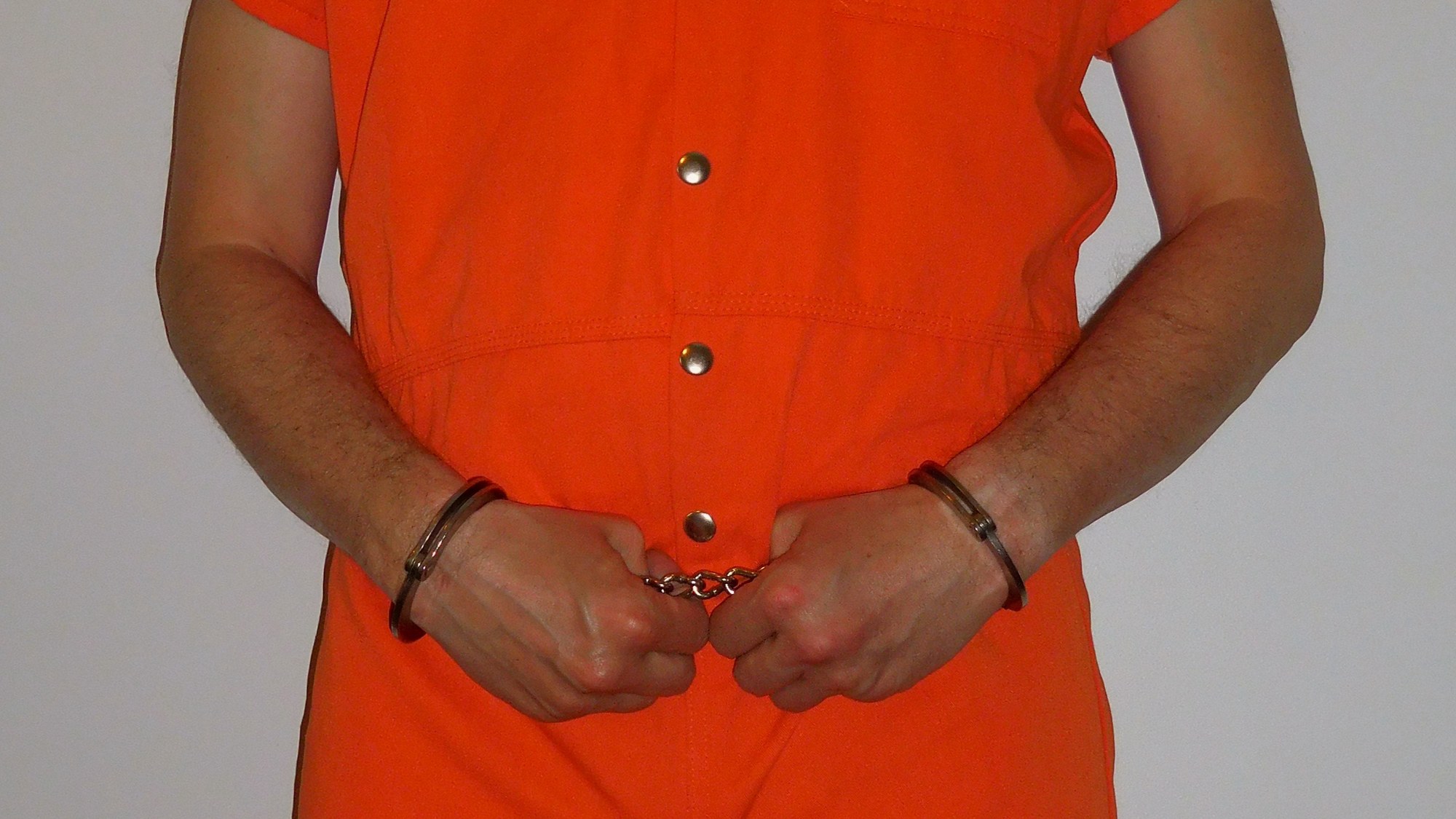
According to the Justice Department, Xin Liu, a 40-year-old Chinese national living in Florida, was sentenced to 27 months in federal prison for her role in an elder-fraud scheme that used telephone calls and electronic messages to target older victims. Court records describe her as the courier who physically collected the proceeds.
Over roughly a week in late July 2025, prosecutors said, Liu drove to at least six locations across Florida to pick up money from victims, including one who lived in an assisted-living community for seniors. In total she attempted to collect more than $95,000 and was paid out of a portion of the fraudulently obtained funds. Her personal haul was a slice of a much larger operation: local investigators tied the broader network to more than $3.5 million taken from over 40 elderly Florida residents, a figure detailed in reporting on the sting.
The larger scheme leaned on classic impersonation tactics, with callers posing as federal officials and invoking threats such as missing jury duty, frozen accounts, or fake payment problems to pressure victims into handing over cash and cryptocurrency.
How the operation was exposed
The break in the case came not from a wiretap but from an alert resident. Investigators in Manatee County launched their inquiry after a suspicious homeowner recorded an encounter with the person who came to collect money and passed the video to law enforcement. That single act of documentation gave detectives a face, a vehicle, and a thread to pull.
From there the case became a multi-agency effort. The prosecution credited the Federal Bureau of Investigation, IRS Criminal Investigation, the Manatee County Sheriff’s Office, and local police for building the case. Federal officials framed the sentence as a deterrent, with the FBI describing elder fraud as a betrayal of trust that drains the life savings of people often living on fixed incomes.
The courier model that Liu fit into is a recurring feature of these rings. The people who place the calls are frequently overseas and difficult to reach, so the individuals who show up at the door to collect cash are often the only members within reach of domestic law enforcement. Prosecuting them disrupts the pipeline even when the ringleaders remain abroad.
Why older Americans are targeted
The choice of victim is deliberate. Fraud networks concentrate on older adults because that group is more likely to hold significant savings, to answer unknown calls, and to respond to claims of authority with cooperation rather than suspicion. Federal data has consistently shown that seniors bear an outsized share of losses. The FBI’s Internet Crime Complaint Center, which publishes an annual elder fraud report, has documented billions of dollars in reported losses among Americans age 60 and older, with government-impersonation schemes among the most damaging categories.
The emotional mechanics are as important as the financial ones. Impersonators create a sense of crisis and then position themselves as the only path to safety, discouraging victims from consulting family, banks, or the real agencies being invoked. That isolation is engineered, and it is why so many victims do not seek a second opinion until the money is gone.
How to recognize and stop an impostor scam
The single most protective fact is a simple one: no legitimate federal agency collects money in person, and none will demand payment in cash, gift cards, or cryptocurrency over the phone. The Federal Trade Commission’s guidance on government-impostor scams stresses that real agencies do not call to threaten arrest, do not insist on secrecy, and do not send couriers to a home.
Several practical habits follow from that. A caller who creates urgency and demands immediate payment should be treated as a scam by default, and the safest response is to hang up and independently verify the claim by calling the agency at a number found on its official website. Requests to keep the matter secret from relatives or bank staff are themselves a warning sign, because that secrecy is what allows the scheme to proceed uninterrupted.
Families can add another layer by talking openly about these tactics before a call ever comes, so that a relative who receives one already expects it and knows to pause. Anyone who suspects fraud, or who has already handed over money, can report it and seek help through the Justice Department’s elder-justice resources and the National Elder Fraud Hotline. Reporting quickly can improve the odds of tracing funds and can help investigators connect a local courier to a wider network.
The takeaway from the sting
The Florida case is a reminder that these schemes are both organized and vulnerable. They are organized enough to move millions of dollars and to dispatch couriers across a state, yet vulnerable enough that one recorded encounter and a coordinated investigation can lead to a federal sentence. For older Americans and the people who look out for them, the durable lesson is that authority claimed over the phone deserves suspicion, not compliance, and that a brief pause to verify is the strongest defense against a practiced impostor.
This article was produced with AI assistance and reviewed against the cited sources before publication.
Take stock: readers can see a free Retirement Safety Score in roughly five minutes — a 0–100 read on how durable a retirement is, with no registration required.