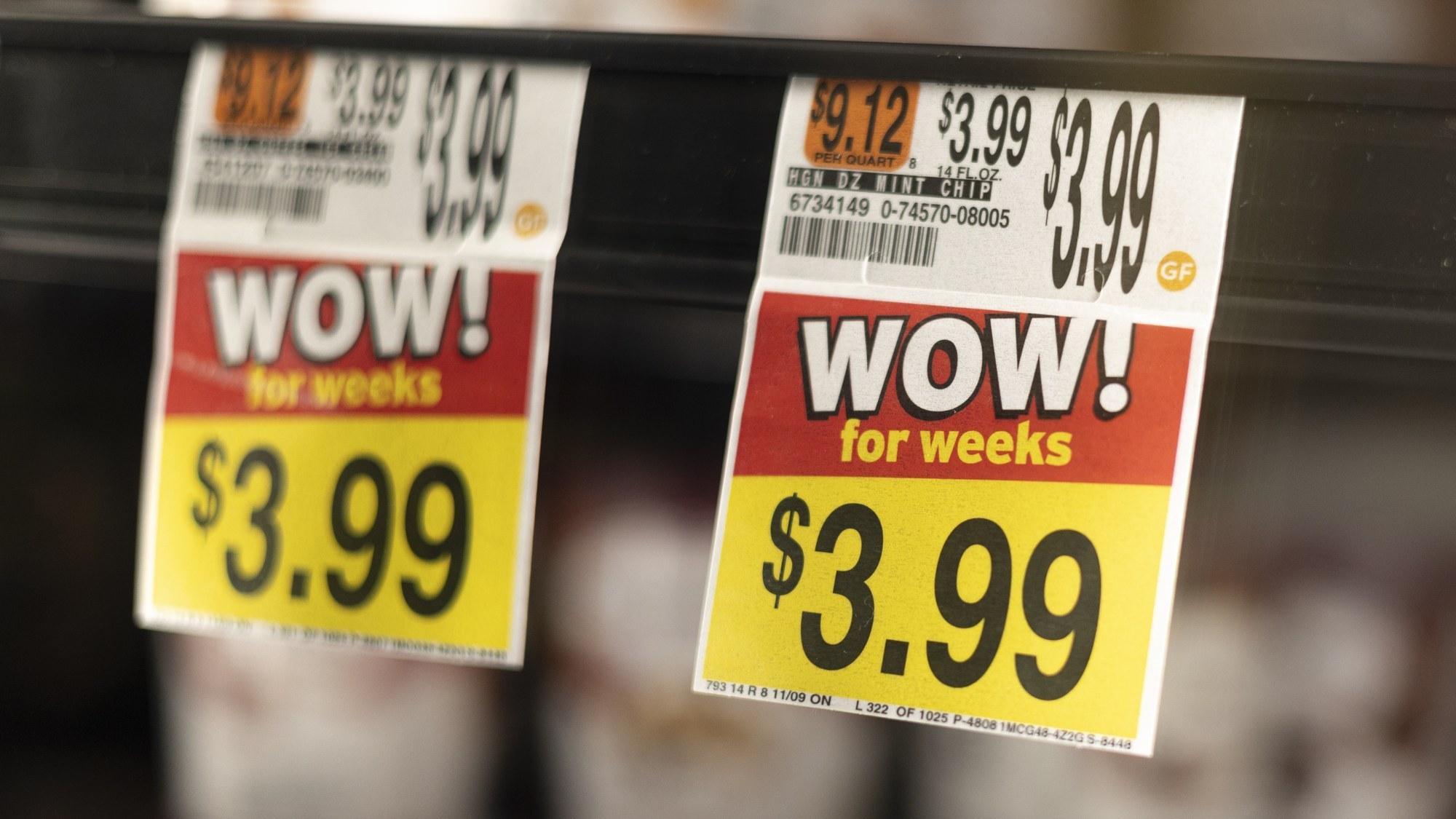
Grocery prices and electric bills kept rising in June even as the broadest measure of U.S. inflation slowed sharply, squeezing retirees whose fixed incomes absorb those costs at a higher rate than the general population. The Consumer Price Index for All Urban Consumers climbed 3.5% over the 12 months ending in June 2026, down from 4.2% in May, while the all-items index fell 0.4% for the month alone as gasoline prices dropped. But food costs rose 3.0% year over year, food away from home jumped 3.4%, and electricity climbed 4.0%, three categories that consume an outsized share of older Americans’ budgets.
Retiree budgets face a different inflation rate than the headline number
The gap between the 3.5% headline figure and what retirees actually pay matters because Social Security cost-of-living adjustments are pegged to the CPI-W, a measure that tracks urban wage earners rather than older, fixed-income households. The Bureau of Labor Statistics publishes a separate experimental gauge, the R-CPI-E index, designed to reflect spending patterns of Americans 62 and older. That index assigns heavier weight to medical care, housing utilities, and food at home, the very categories that outpaced the broader index in June.
When food at home rises 2.7% and electricity rises 4.0% while gasoline and electronics pull the headline lower, the arithmetic works against anyone who drives less and eats at home more. BLS relative importance tables show that food and housing utilities carry a larger share of the R-CPI-E basket than they do in the standard CPI-U. The Congressional Budget Office has documented this structural divergence, finding that older households’ spending mix causes inflation faced by older Americans to run persistently above the headline measure. Applying the latest sub-index readings to those heavier weights suggests retiree-experienced inflation could exceed the 3.5% headline by roughly half a percentage point or more over the next two quarters, though no official R-CPI-E value for June 2026 has been published yet.
Food and electricity sub-indexes tell a sharper story than 3.5%
The June data from the monthly CPI report show that the 0.4% monthly decline in the all-items index was driven largely by falling energy commodity prices, particularly gasoline. Strip out that relief and the cost pressures on daily essentials remain stubborn. Food away from home, a proxy for restaurant meals, rose 3.4% year over year. Food at home, covering grocery staples like eggs, bread, and milk, rose 2.7%. Electricity climbed 4.0%, the fastest pace among the major utility sub-indexes.
The USDA’s Economic Research Service has warned in its food price outlook that grocery and restaurant costs may stay sticky even as broader inflation cools, citing supply-chain lags and labor costs in food service. For a retiree who cooks most meals at home and runs air conditioning through hotter summers, those specific line items matter more than cheaper gasoline or discounted consumer electronics. Even modest percentage increases in food and power can translate into difficult tradeoffs when they compound on top of each other over a year or two.
Underlying price details underscore the squeeze. The Bureau of Labor Statistics maintains detailed average price tables that show how the cost of common goods such as a dozen eggs, a pound of ground beef, or a kilowatt-hour of electricity has shifted over time. When those staples move higher together, retirees who already devote a larger share of income to necessities have little room to absorb the shock without cutting back elsewhere.
Why official inflation still matters for retirees
Even if older Americans face a somewhat higher effective inflation rate, the official measures still shape their finances. Social Security adjustments and many pension formulas rely on the same consumer price indexes that policymakers and markets watch. A lower headline number can reduce the size of future benefits increases, even as household-level costs continue to drift up for groceries, utilities, and medical care.
That disconnect can be confusing. The 0.4% monthly decline in the all-items index might sound like broad relief, but it is heavily influenced by categories that some retirees use sparingly, such as gasoline or new vehicles. Meanwhile, recurring bills tied to keeping the lights on and the refrigerator stocked rarely fall outright. Over time, that pattern can erode purchasing power more quickly than national averages suggest, particularly for seniors living on fixed incomes without substantial savings.
Planning for a persistently higher personal inflation rate
Financial planners often encourage retirees to build budgets around their own “personal inflation” rather than relying solely on the headline figure. For someone whose spending is concentrated in food, housing, utilities, and health care, assuming that costs will rise slightly faster than the overall CPI can be a prudent, if sobering, starting point. That might mean setting aside a larger emergency cushion, delaying big discretionary purchases, or adjusting withdrawal rates from retirement accounts to account for higher living expenses later in life.
Policy debates over whether to adopt an elderly-specific index such as the R-CPI-E for Social Security adjustments are likely to continue as long as these gaps persist. In the meantime, the latest inflation readings offer a clear message for retirees: even as the national numbers improve, the prices that matter most in day-to-day life-groceries on the table and electricity in the home-are still moving in the wrong direction, and planning needs to reflect that reality.
Free tool for readers: Curious where your retirement stands on a 0–100 scale? You can get your free Retirement Safety Score in about five minutes — no account, no bank details, just your number and a few steps to improve it.