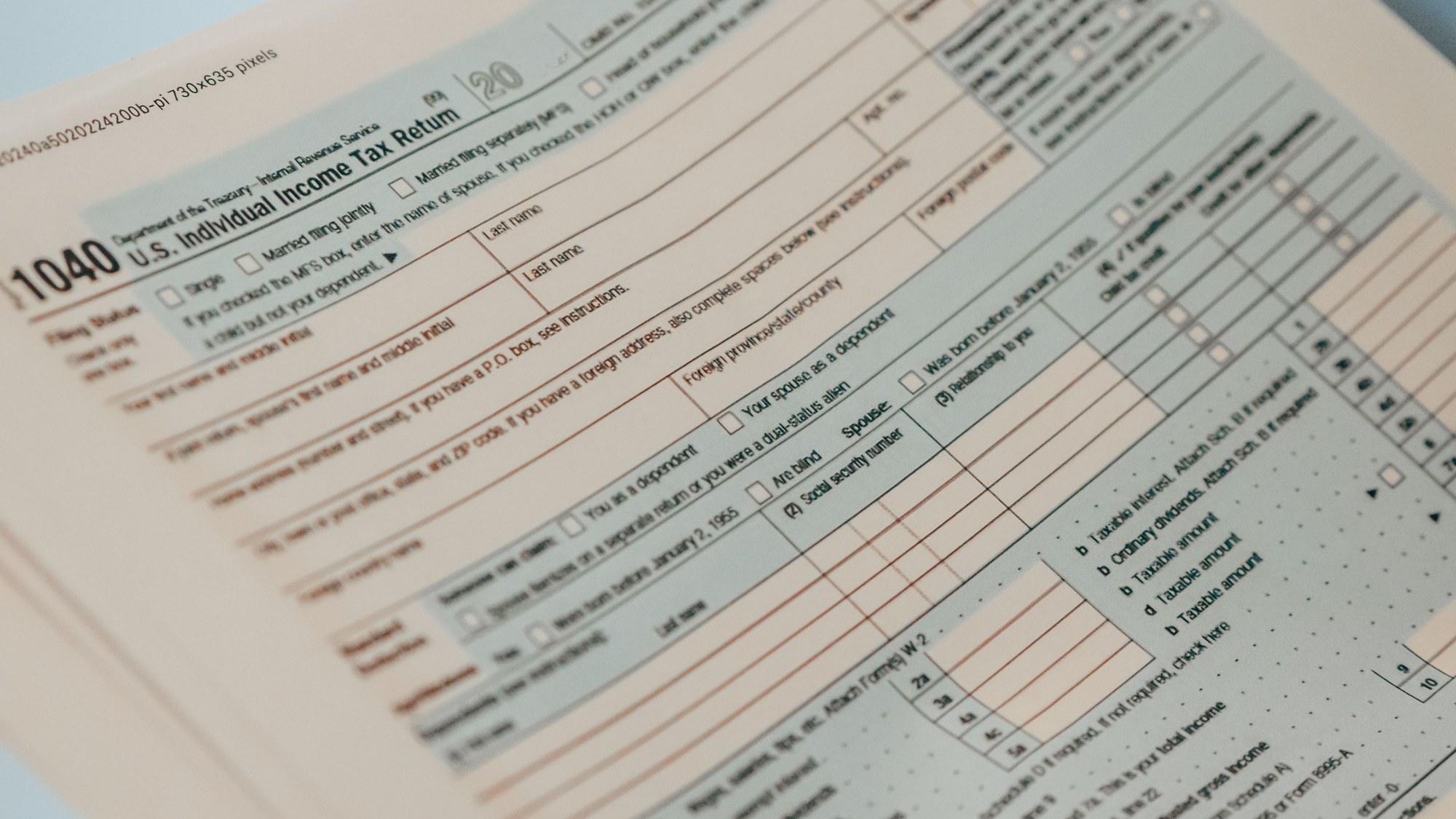
Older Americans filing their 2025 federal tax returns will be able to subtract an extra $6,000 from taxable income if their modified adjusted gross income stays below $75,000. Married couples where both spouses are 65 or older can claim up to $12,000, with the benefit phasing out above $150,000 in joint income. Enacted through Public Law 119-21, the deduction is available for tax years 2025 through 2028 and is separate from the existing standard deduction for seniors, creating a distinct new tax break that millions of retirees on fixed incomes stand to use when they file during the 2026 filing season.
Why the $6,000 senior deduction changes the 2026 filing season
The new break arrives at a time when many retirees are stretching Social Security checks and pension payments to cover rising costs for housing, food, and medical care. For a single filer 65 or older with $50,000 in modified adjusted gross income, the additional $6,000 deduction would lower the amount of income subject to federal tax by that full sum. At a 12 percent marginal rate, that translates to roughly $720 in annual savings, a figure that grows for couples who both qualify and claim the full $12,000.
The deduction is not a tweak to the existing extra standard deduction that older filers already receive. The IRS has drawn a clear line between the two. Its eligibility guidance for the enhanced senior deduction specifies that this is an additional amount layered on top of whatever standard deduction a taxpayer already takes. That distinction matters because it means seniors do not have to choose between the two; they can claim both.
The income threshold creates a sharp eligibility boundary. Once modified adjusted gross income crosses $75,000 for single filers or $150,000 for joint filers, the deduction begins to phase out. Retirees whose income hovers near those lines, perhaps because of required minimum distributions from retirement accounts or part-time work, will need to plan withdrawals carefully to stay within range. Financial planners say that for some households, shifting the timing of IRA distributions or capital gains could be enough to preserve the full value of the new deduction.
How Public Law 119-21 structures the deduction through 2028
Congress built the deduction with a four-year window. It covers tax years 2025, 2026, 2027, and 2028, according to the IRS senior tax guide. That sunset means the benefit is temporary, and lawmakers would need to pass new legislation to extend it beyond the 2028 tax year. The IRS has already begun updating its filing-season guidance to reflect the change, directing older taxpayers to check their eligibility before preparing returns.
Because the deduction is tied to modified adjusted gross income, its interaction with other tax provisions will matter. Higher-income retirees who are close to the phaseout range may see the value of the deduction reduced if they realize large amounts of investment income in a single year. Others could find that the deduction slightly lowers their taxable income without affecting other thresholds, such as those for taxation of Social Security benefits, depending on how their income is composed.
One open question is how state tax systems will treat the federal deduction. States that automatically conform to federal adjusted gross income calculations would pass the benefit through to state returns without any additional action from legislators. States that decouple from federal definitions, or that use their own income baselines, could leave seniors without a matching state-level reduction. The practical gap between those two groups of states will become measurable only after 2025 return data are processed, but the difference could be significant for retirees in high-tax states that do not conform.
What filers still need to watch before claiming the new break
The IRS is urging older taxpayers to pay attention to the details before they claim the deduction for the first time. Its 2026 updates for seniors emphasize that eligibility hinges on both age and income, and that the deduction is calculated per eligible taxpayer. That means a married couple where only one spouse is 65 or older can claim $6,000, while couples with two qualifying spouses can claim the full $12,000, subject to the income phaseout.
Documentation will matter. Retirees should keep year-end statements from Social Security, pensions, annuities, and retirement accounts to verify their modified adjusted gross income. Those using tax software will likely see new prompts asking whether they were 65 or older at the end of the tax year and whether their income falls below the applicable threshold. Taxpayers who rely on paid preparers may want to ask explicitly whether the new deduction has been applied to their return.
Planning ahead for the 2026 filing season can help seniors avoid surprises. Retirees who expect their income to fluctuate may consider adjusting quarterly estimated payments in 2025 to reflect the lower tax liability the deduction creates. Others might revisit withholding on pensions or part-time wages so that they do not significantly overpay and wait for a larger refund.
For now, the new deduction represents a targeted, time-limited boost to older Americans’ after-tax income. Whether it ultimately becomes a permanent feature of the tax code will depend on future congressional action, but for the four years it is in place, seniors who understand the rules and monitor their income closely stand to benefit the most.
Free tool for readers: Most people don’t find out they’re off track until it’s too late. You can see where your retirement stands with a free Retirement Safety Score in about five minutes — no sign-up required to see it.