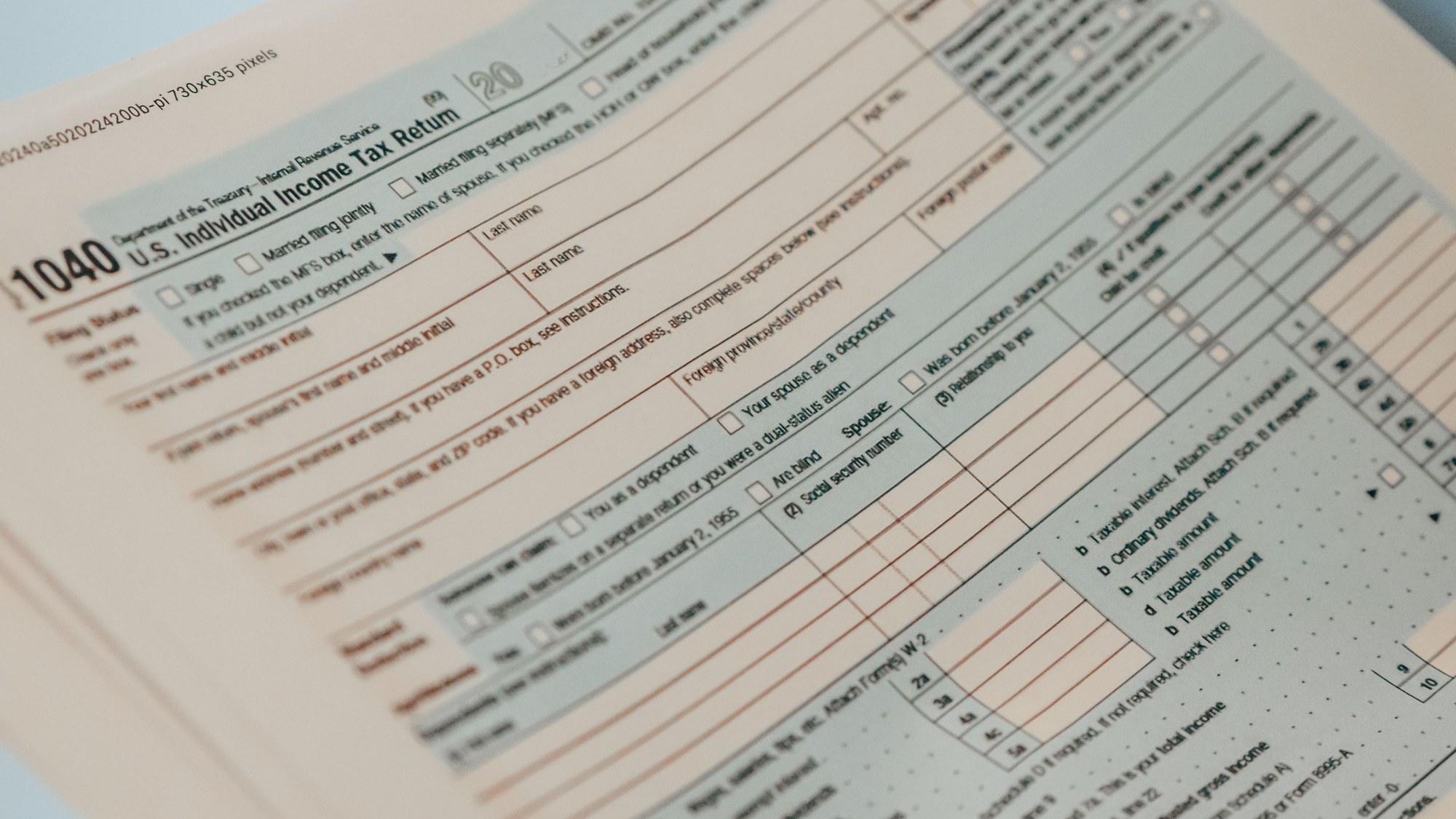
Senior homeowners across New York State can now qualify for a property-tax exemption that erases up to 65% of their assessed home value, but only if their local government votes to activate the new option. Governor Kathy Hochul signed legislation S5175A/A3698A into law as Chapter 581, amending Real Property Tax Law Section 467 to give towns, cities, and villages three new exemption tiers: 55%, 60%, and 65%. The relief is real, but it is not automatic. Every qualifying locality must pass its own resolution or local law before a single dollar comes off a senior’s tax bill.
Why the 65% Senior Exemption Creates Immediate Local Pressure
The new law shifts the decision from Albany to town halls. Before Chapter 581, local governments could offer a baseline senior exemption but had no authority to push the discount as high as 65% of assessed value. Now, the governor’s office has formally confirmed this expanded authority in its announcement of new senior tax relief, making clear that any municipal corporation can adopt the higher tiers through a local law or resolution. That creates a direct question for every board of supervisors and city council in the state: will they act, and how quickly?
The tension is sharpest in communities where seniors make up a large share of the population and where current income limits for the exemption sit relatively low. Towns with older demographics and modest household incomes face the strongest constituent demand to adopt the 65% ceiling. At the same time, those same towns often run on thin budgets, and a steep exemption means the remaining taxpayers absorb a larger share of the levy. Wealthier suburbs with younger populations face less pressure and less fiscal strain, which suggests adoption will be uneven across the state.
How Chapter 581 Restructures RPTL Section 467
The signed bill, recorded as Chapter 581, amends the long-standing Senior Citizens Exemption statute in Real Property Tax Law 467. Under the revised framework, localities that choose to opt in can set exemption levels at 55%, 60%, or 65% of assessed valuation, applied on a sliding scale tied to income tiers. The statutory language lays out a schedule that links each exemption percentage to a household income bracket, measured against the maximum income limit that each locality selects.
Eligibility still requires homeowners to be at least 65 years old and to meet income thresholds determined locally. The state Department of Taxation and Finance explains in its assessor manual that a governing board must first adopt the exemption, after which the assessor applies the income-tier formula and reflects the resulting discount on the next assessment roll. The department’s guidance on the senior citizens exemption emphasizes that no taxpayer automatically receives the benefit; seniors must apply and document both age and income.
That local-option structure is deliberate. It lets a rural Adirondack town with a median household income well below $40,000 adopt the full 65% discount, while a high-revenue Long Island village can hold at a lower tier or skip the increase entirely. The flexibility also means seniors in neighboring towns could see dramatically different tax bills depending on which board acts first and how aggressively each jurisdiction sets its income limits.
Unanswered Questions About Adoption and Budget Impact
Several gaps remain in the public record. No statewide tally yet shows which towns, cities, or villages have passed resolutions adopting the new 55%, 60%, or 65% tiers, and Chapter 581 itself does not mandate any centralized reporting. Without a comprehensive list, seniors must rely on local clerks, assessors, or municipal websites to learn whether their community has opted in and at what level.
Budget impacts are also uncertain. When a locality raises its exemption percentage, it reduces the taxable value of qualifying senior-occupied homes. Unless the jurisdiction cuts spending, that reduction forces a choice: increase the tax rate on remaining property, shift more costs to fees and special districts, or draw down reserves. For small towns with limited commercial tax bases, a high adoption rate at the 65% level could translate into noticeable increases for younger homeowners and businesses.
Local officials will have to weigh those trade-offs in public. Boards that move quickly to adopt the maximum exemption can expect strong support from older residents but may face pushback from other taxpayers if the change is paired with higher levies. Conversely, boards that delay or choose a lower tier risk criticism from seniors who see neighboring jurisdictions offering deeper relief.
Another open question is administrative capacity. Assessors must review income documentation, track changing household circumstances, and apply the sliding scale accurately each year. In smaller communities where assessing functions are part-time or contracted, a surge of applications from newly eligible seniors could strain staff and lengthen processing times, at least in the first cycle after adoption.
Over the next few budget years, the pattern of local decisions will determine whether Chapter 581 becomes a widely used tool or a patchwork benefit concentrated in certain regions. Seniors and advocates who want the full 65% exemption will need to focus less on state-level debates and more on the calendars of town boards, city councils, and village trustees. The law now gives every locality the power to act; the remaining question is which ones will use it, and how far they are willing to go.
Free tool for readers: Most people don’t find out they’re off track until it’s too late. You can see where your retirement stands with a free Retirement Safety Score in about five minutes — no sign-up required to see it.