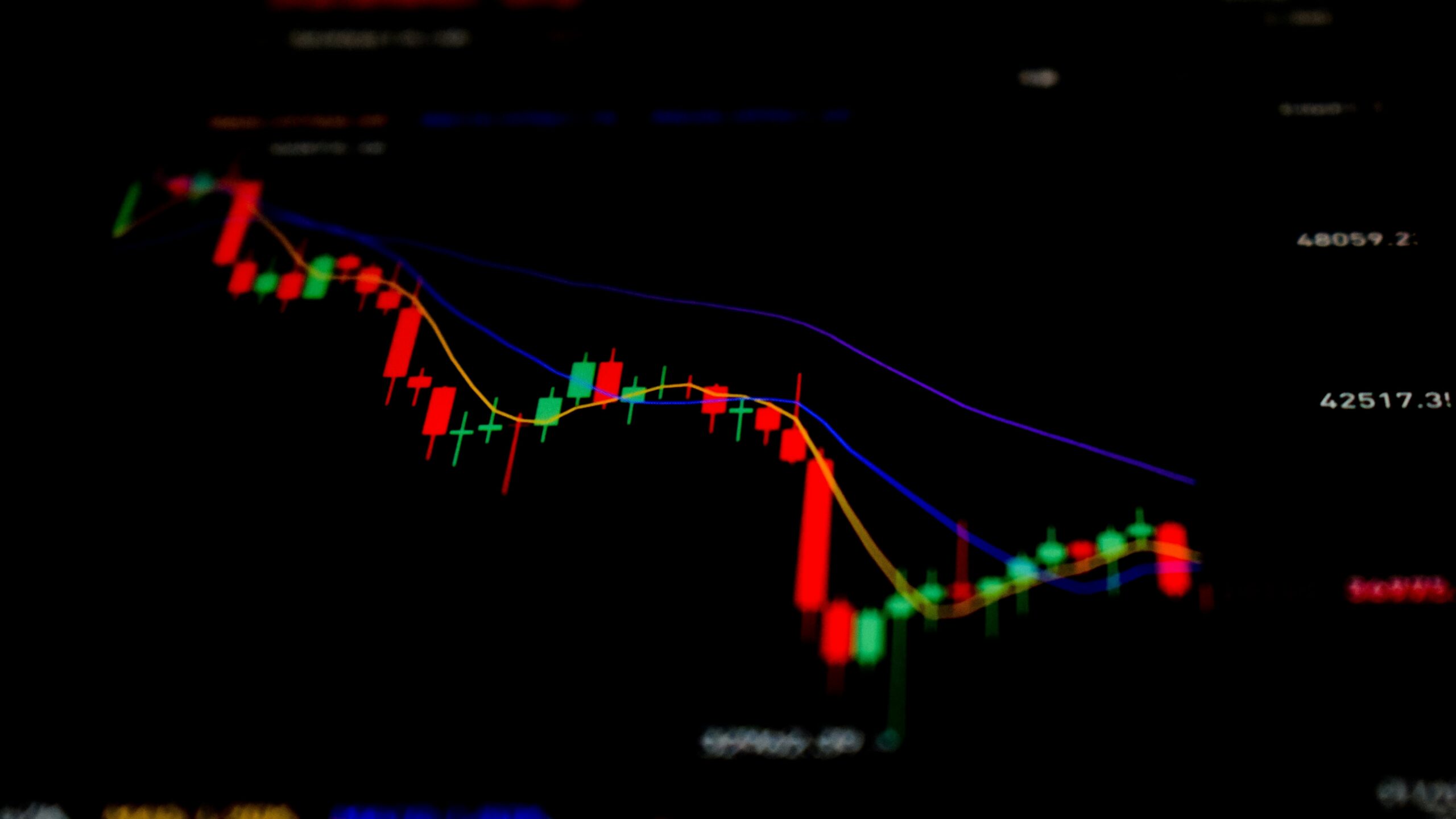
Semiconductor stocks pulled the Nasdaq Composite down 387.28 points on Thursday, a 1.5 percent drop that left the index at 25,881.95 and sent ripples through the retirement accounts of millions of Americans who hold broad index funds in their 401(k) plans. Chip names such as Micron led the decline, and the selling spread to markets overseas even as Taiwan Semiconductor Manufacturing Co. had just reported solid June revenue growth. The disconnect between strong chip-company fundamentals and falling share prices raises a pointed question: whether the sector drag will trigger measurable outflows from the very index funds that channel Wall Street volatility into Main Street savings.
How a one-day chip selloff reaches retirement accounts
The 1.5 percent Nasdaq slide on July 16, 2026, was not an abstract market event. It hit the two most common index-fund structures sitting inside employer-sponsored retirement plans. The Invesco QQQ Trust, which tracks the Nasdaq-100, disclosed its holdings in a semiannual filing with the SEC for the period ended March 31, 2026. That report shows the fund holds large positions in the same semiconductor companies that drove Thursday’s losses, including major chip designers and manufacturers that have benefited from the recent boom in artificial-intelligence infrastructure spending.
A separate disclosure from the total-market fund run by Vanguard, also as of March 31, 2026, confirms that even a broadly diversified vehicle carries significant chip-sector exposure through its market-cap-weighted design. Because the largest semiconductor firms have grown so rapidly in recent years, they now represent an outsized share of the overall U.S. equity market. When a handful of those names fall sharply in a single session, both the concentrated Nasdaq-100 tracker and the wider total-market fund pass that pain directly to the account balances of everyday savers.
The mechanism is straightforward. Index funds do not pick favorites or rotate out of weak sectors. They are required to hold stocks in proportion to market value, which means the biggest chip makers command prominent positions. A day like Thursday, when Micron and other AI-linked names dropped hard enough to account for the bulk of the Nasdaq’s loss, translates almost dollar-for-dollar into lower fund values for anyone whose 401(k) default option tracks either the Nasdaq-100 or the total U.S. stock market. For workers who make automatic contributions every pay period, the decline shows up as a lower account balance, even if they never log in to check.
Because most retirement savers do not trade actively, the immediate response inside 401(k) plans is usually muted. Target-date funds and managed model portfolios that sit on top of index funds typically rebalance only periodically. But if semiconductor volatility persists, plan sponsors and financial advisers could face pressure from participants who suddenly notice that their “diversified” index allocations are more exposed to a single high-growth sector than they realized.
Strong TSMC revenue did not stop the bleeding
What made Thursday’s selloff unusual was its timing relative to positive fundamental news. TSMC filed a June 2026 revenue update with the SEC just days earlier, showing year-over-year growth that would normally support chip-sector sentiment and reinforce the narrative of robust demand for advanced manufacturing capacity. Instead of rallying on that data, semiconductor shares slid, dragging down the broader technology complex and the indexes built around it.
The PHLX Semiconductor index, tracked by the Federal Reserve Bank of St. Louis, recorded a sharp move lower on July 16, 2026, consistent with the sector-led weakness in the Nasdaq. That divergence between revenue strength and price softness is the core tension now confronting investors. If the semiconductor benchmark continues to underperform the broader Nasdaq even when bellwether companies post healthy top-line numbers, it suggests investors are repricing the sector for risks beyond near-term sales, including the possibility of overcapacity, tighter export controls, or a slowdown in data-center spending after an intense build-out phase.
For retirement savers, the distinction between fundamentals and sentiment matters less in the short run than the simple fact of volatility. A one-day drop of 1.5 percent in a major index is well within historical norms, but when it is concentrated in a sector that has quietly become a pillar of many index funds, it can challenge the perception that broad-market investing is insulated from tech booms and busts. Financial planners often urge clients to focus on long-term horizons and avoid reacting to single-day moves. Yet they also acknowledge that sharp, unexplained declines can prompt nervous investors to shift allocations at precisely the wrong time.
Whether Thursday’s semiconductor slump ultimately triggers meaningful outflows from index funds will depend on what comes next. If chip stocks stabilize and resume tracking their earnings growth, the episode may fade into the background noise of a long bull market in technology. But if further weakness turns the recent session into the opening leg of a deeper correction, plan participants could start reallocating from growth-heavy funds into more balanced or income-oriented options. For now, the selloff stands as a reminder that even in an era dominated by passive investing, sector-specific shocks still flow directly into the retirement accounts that millions of workers rely on for their financial futures.
Free tool for readers: Built for Americans 55 to 80: a free, plain-English retirement check. See your Retirement Safety Score — your 0–100 number and a few steps — in about five minutes, no account needed.