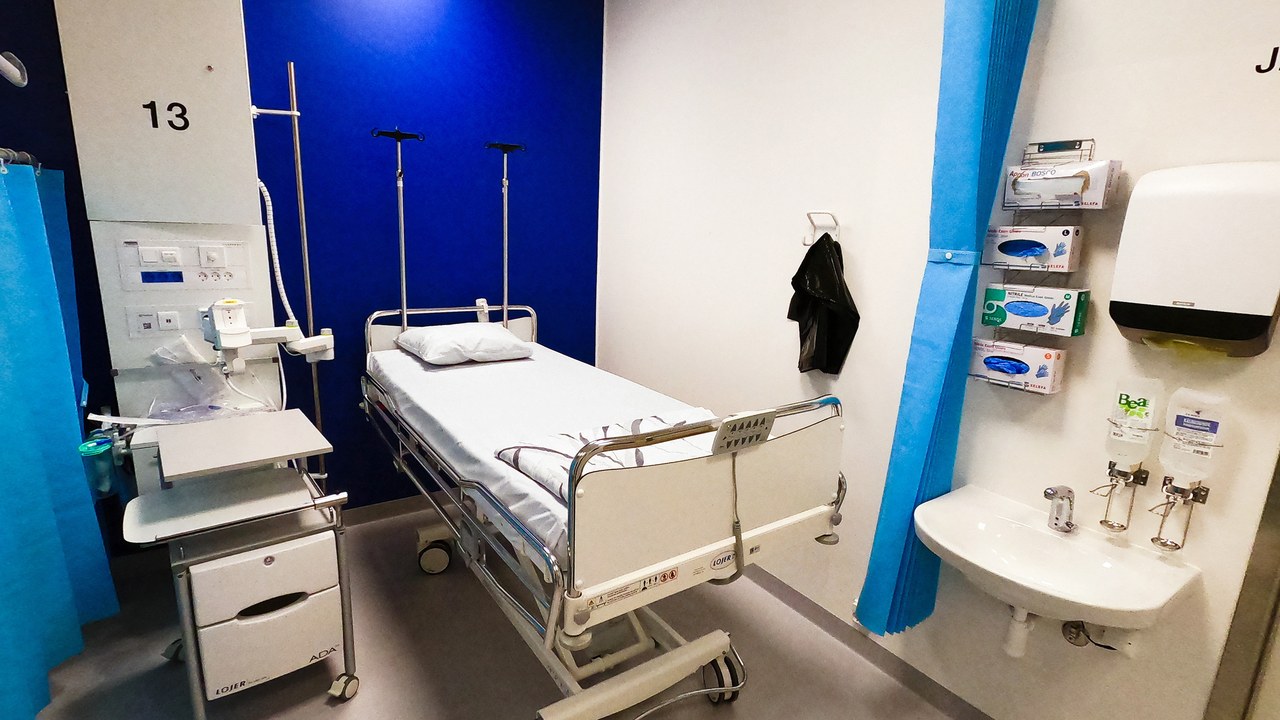
Families searching for long-term care for an aging parent face a blunt financial reality: a private nursing-home room now costs a median $129,575 a year, or about $355 a day. Medicare, the federal health program most seniors rely on, was never designed to pick up that tab for extended stays. The gap between what care costs and what coverage actually pays is growing wider as the last wave of baby boomers approaches retirement age, and most households have no plan to bridge it.
Why $129,575 a year lands on families, not Medicare
The disconnect between nursing-home bills and Medicare benefits is structural, not a glitch. Medicare Part A can pay for short-term skilled nursing or rehabilitation in a certified facility, but only after a qualifying three-day inpatient hospital stay and only for up to 100 days in a benefit period. That 100-day ceiling assumes the patient continues to need skilled-level care. Once the limit is reached, or once the resident’s needs shift to custodial help with daily activities like bathing and eating, Medicare stops paying.
After the 100-day window closes, the patient bears the full cost of the room except for certain outpatient services still billed under Part B, according to CMS billing rules. At $355 a day, even a few months of self-pay can consume a lifetime of savings. The three-day hospital-stay rule adds another barrier: seniors admitted for observation rather than as inpatients can be disqualified from any skilled nursing benefit at all, a problem the Congressional Research Service has documented in detail.
A related question is whether states that expanded Medicaid home- and community-based waivers after 2020 are seeing slower growth in nursing-facility Medicaid enrollment among middle-income seniors compared with states that did not expand those waivers. If home-based alternatives keep more people out of facilities, the pressure on institutional Medicaid budgets could ease. No publicly available federal dataset yet isolates that effect after controlling for aging demographics, but the pattern would carry real policy weight as state budgets tighten.
Federal rules and MedPAC data behind the coverage wall
The rules governing what Medicare will and will not pay for in a nursing facility are spelled out in the Medicare Benefit Policy Manual, CMS Publication 100-02, Chapter 8. That manual defines “skilled level of care” narrowly: the services must require the skills of licensed nurses or therapists, must be needed on a daily basis, and must be reasonable and necessary for the patient’s condition. Routine personal care, no matter how essential, falls outside that definition.
The Medicare Payment Advisory Commission, in its March 2026 report, devoted Chapter 7 to skilled nursing facility services and confirmed that Medicare’s role in post-acute care remains tightly bounded. MedPAC’s analysis tracks utilization trends, facility margins, and payment adequacy, but the commission’s focus is on the short-term rehabilitation function of skilled nursing facilities, not on the long-term residential stays that drive the largest out-of-pocket costs for families.
Medicaid, the joint federal–state program for low-income Americans, does cover nursing facility services for people who qualify. Under federal law, states must operate or contract with nursing facilities that meet regulatory standards, and they must pay for care for beneficiaries who meet both financial and functional eligibility thresholds. Federal guidance on nursing-facility coverage emphasizes that states must provide room, board and necessary nursing services, but states retain significant discretion over payment rates, clinical criteria and how aggressively they promote alternatives such as home- and community-based services.
For many middle-income older adults, the path into Medicaid-funded care runs through “spend down.” Residents start out paying privately until savings, and often proceeds from selling a home, are depleted. Only then do they meet state financial limits for Medicaid long-term care. That progression helps explain why nursing homes rely heavily on a mix of short-term Medicare rehabilitation stays, which typically pay higher rates, and longer-term Medicaid residents, whose payments are lower but steadier.
MedPAC’s data show that facilities with a favorable payer mix-more Medicare days and fewer Medicaid residents-tend to post higher margins. But those same facilities may be less accessible to people who rely primarily on Medicaid. Meanwhile, homes that serve a larger share of Medicaid residents often operate on thinner margins, raising concerns about staffing levels, quality of care and the long-run stability of the safety net for frail seniors.
Families caught between benefit design and aging realities
The result is a three-tiered system. A small share of households can afford to self-fund years of care or purchase robust long-term care insurance. A larger group eventually qualifies for Medicaid after exhausting assets. In between are millions of families who earn too much to qualify for Medicaid at admission, but too little to comfortably shoulder $129,575 a year for an open-ended period.
Policy debates now center on how to ease that middle squeeze without overwhelming public budgets. Proposals range from expanding tax incentives for private long-term care coverage, to creating new social insurance models, to further shifting resources into home-based services that may delay or avoid nursing home placement altogether. As the population ages, the basic arithmetic behind a $355 daily rate and a 100-day Medicare limit is forcing a reckoning with how the United States finances the final years of life and who ultimately pays the bill.
Free for readers: The free Retirement Shield newsletter sends plain-English help keeping more of your money in retirement — the scams to dodge, the benefits you’re owed, and what’s changing with Social Security and Medicare, a couple times a week. Get the free newsletter.