The most expensive way older Americans lost money to fraud was not a stolen card or a hacked password. It was an investment that never existed. In its most recent report to Congress, the Federal Trade Commission found that people 60 and older reported roughly 744 million dollars in investment-scam losses, more than any other category of fraud aimed at that age group. For anyone living off a nest egg built over a working lifetime, that figure is a warning about which cons do the deepest damage to retirement savings.
The costliest fraud older adults face
Investment scams stood out in the commission’s tally not because they generated the most complaints, but because each one tended to take so much. The report, which covers fraud reported in 2024, put losses to investment schemes by adults 60 and over at about 744 million dollars, the single largest slice of the money that age group reported losing to any kind of fraud. These are pitches that promise fast, outsized, or guaranteed returns, frequently dressed up as cryptocurrency trading, precious-metals deals, or exclusive opportunities that supposedly cannot lose.
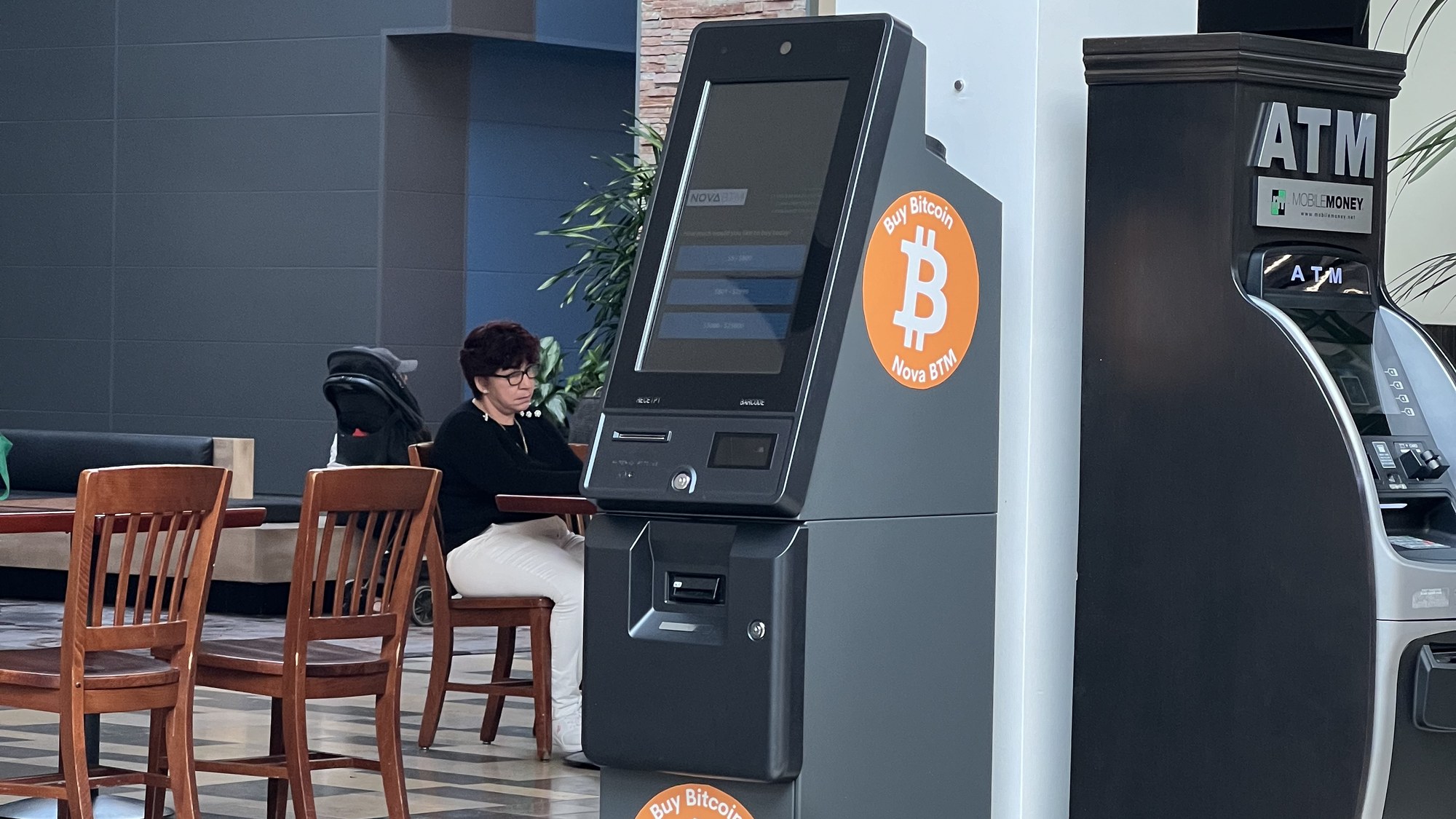
The pattern the agency described has held steady from year to year. According to the FTC’s annual report to Congress on protecting older adults, released in December 2025, older consumers reported losing far more money to investment scams than to any other fraud type, and many said the criminals first reached them on social media. A friendly private message or a comment praising a can’t-miss trade has become one of the most common on-ramps into a fake investment.
Free for readers: For plain-English help keeping more money in retirement, the free Retirement Shield newsletter covers scams, benefits, and money owed, a couple times a week. Subscribe free.
Why retirement savers are the target
Retirees make an appealing mark for reasons that have little to do with gullibility. Many have spent decades accumulating a balance large enough to be worth stealing, they are often searching for yield to make savings last, and a polished pitch about a new opportunity can sound like prudent planning rather than a trap. Fraud rings lean on that, building trust slowly over days or weeks of warm, chatty messages before an investment is ever mentioned. By the time money is requested, the target no longer sees a stranger but a trusted acquaintance.
The harm compounds because older victims tend to lose more per incident. The FTC’s full report, Protecting Older Consumers, 2024-2025, found that people 80 and older reported a median individual loss of more than 1,600 dollars, well above younger age groups, and that the sharpest rise in total losses came from reports of individual hits above 100,000 dollars. A single successful investment scam can wipe out years of disciplined saving in one transfer, and unlike a fraudulent charge on a card, money wired abroad or converted to crypto is almost never recovered.
A fourfold jump since 2020
The investment number sits inside a steep climb across every kind of fraud. Total losses reported by Americans 60 and older rose about fourfold in four years, from roughly 600 million dollars in 2020 to about 2.4 billion dollars in 2024. The commission attributed much of that surge to a growing number of very large losses, most often tied to investment schemes, romance scams, and criminals impersonating banks or government agencies. Those categories overlap in practice, since a romance contact or a fake official is frequently the door that leads to the fake investment.
The makeup of those losses matters as much as the total. A relatively small number of very large frauds can dominate the figures, which means the danger to any one retiree is not captured by an average. A single person talked into moving a six-figure rollover onto a fake trading platform can outweigh hundreds of smaller losses in the statistics, and that is precisely the kind of case the commission flagged as driving the recent increase. The risk concentrates around the largest, most patiently cultivated pitches rather than the crude, obvious ones.
Those totals capture only what victims formally chose to report. Fraud is chronically underreported, whether from embarrassment or from not knowing where to turn, so the real burden on older households runs well beyond the published figures. That gap is one reason the reported dollars keep setting records even as awareness campaigns expand.
Checking a pitch before the money moves
The defenses are unglamorous but effective. Legitimate investment professionals and products are registered, and the Securities and Exchange Commission lets anyone confirm a seller’s background and check for disciplinary history before sending a single dollar through its investor protection resources. Promises of guaranteed or unusually high returns, pressure to act before an opportunity supposedly closes, and requests to pay in cryptocurrency or gift cards are standard features of a scam rather than a real deal.
It also helps to recognize the shape of a modern investment scam. Many begin not with a hard sell but with a slow relationship: a wrong-number text that turns into friendly conversation, a social-media contact who shares screenshots of supposed gains, or a group chat that seems full of thriving traders. The request to invest arrives only later, usually pointing to a platform that shows fabricated balances climbing on cue. Small withdrawals go through smoothly at first to build confidence, then larger ones stall behind sudden fees or taxes once a meaningful sum is committed. Seeing that arc in advance is often enough to step away before the money does.
Slowing down is a protection in itself. An unsolicited tip from a stranger online, a new digital friend who steers every conversation toward money, or an adviser who bristles at basic questions each warrant a pause and an outside opinion before any funds change hands. Suspected fraud can be reported to the FTC at its official reporting site, which feeds the data the government uses to track how these schemes shift. Each report also sharpens the warnings that reach the next person a scammer targets.
Free for readers: One number can cost or save hundreds a month in retirement. The free Retirement Shield newsletter surfaces the ones worth knowing. Sign up free.
This article was researched and drafted with AI assistance and reviewed against the linked primary sources.