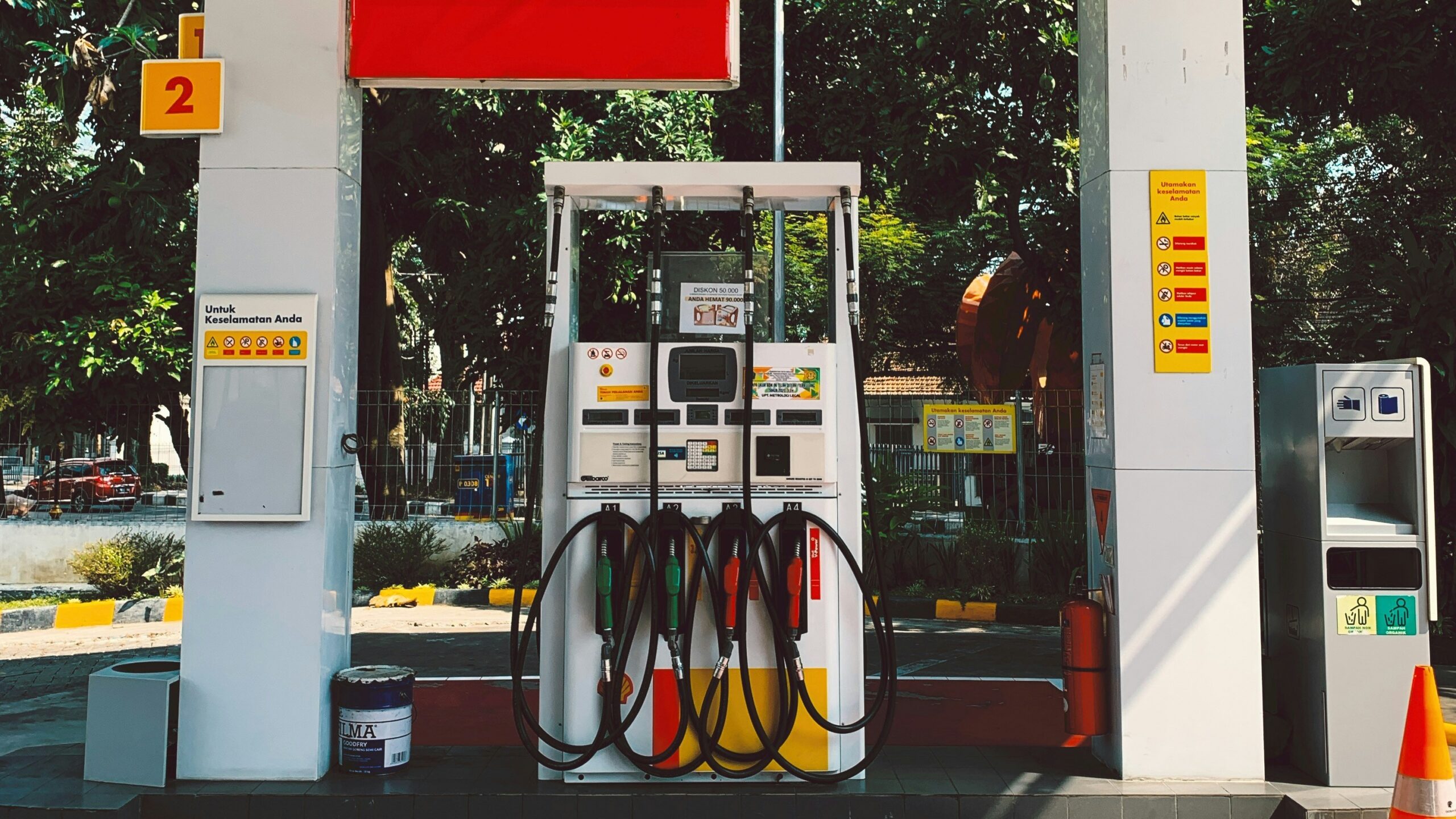
A device no bigger than a card reader, slipped over the slot on a gas pump or ATM, can quietly capture a debit card’s information in the instant it takes to pay. The stolen data can then be used to drain an account or make counterfeit cards. Because the theft happens invisibly, the best protection is knowing how skimming works and adopting a few habits that sidestep it.
How skimming works
Skimming involves a criminal placing an illegal device on or inside a legitimate card reader to steal the information stored on a card’s magnetic stripe. The FBI’s overview of skimming explains that these devices are often installed on ATMs and gas-pump card readers, where they can capture card data without the user noticing anything unusual. Some setups add a tiny hidden camera or a fake keypad overlay to capture the PIN as well.
Gas pumps and standalone ATMs are favored targets because they are frequently unattended, giving a criminal time to install and later retrieve a device. Once the data is captured, thieves can use it to make fraudulent purchases or produce cloned cards. Because the pump or machine still functions normally during the transaction, a victim usually has no idea their information was stolen until fraudulent charges appear.
Free for readers: Scam calls targeting retirees change every week. The free Retirement Shield newsletter flags the ones going around and the one tell that stops each. Sign up free.
Habits that reduce the risk
Several simple practices lower the odds of being skimmed. Paying inside with a cashier, rather than at an outdoor pump, avoids the unattended readers that skimmers most often target. Using a card’s tap-to-pay feature or a mobile wallet, which transmit a one-time code rather than the card’s actual stored number, sidesteps the magnetic-stripe data that skimmers capture. Chip transactions are also more secure than swiping the stripe.
Choosing where to transact matters too. ATMs located inside a bank branch are harder for criminals to tamper with than standalone machines in less monitored locations. Before inserting a card, it is worth giving the reader a quick look and a gentle tug; a skimming overlay may feel loose, look bulky, or not match the rest of the machine. Covering the keypad while entering a PIN defeats a hidden camera trying to record it.
Catching fraud quickly
Even with precautions, no method is foolproof, so monitoring accounts is the second line of defense. Reviewing bank and card statements regularly, or setting up transaction alerts that notify a person of each charge, means fraudulent activity is caught within days rather than after a large loss accumulates. The sooner unauthorized charges are spotted, the faster they can be stopped and reversed.
Consumer protections favor prompt reporting, particularly for debit cards. The Consumer Financial Protection Bureau’s explanation of rights when a debit card is used without permission notes that a cardholder’s liability for unauthorized transactions depends heavily on how quickly the loss is reported. Reporting within the shortest window limits liability, which is a strong reason to check accounts often and act immediately on anything unfamiliar.
If a card is compromised
Discovering fraud calls for fast action. Contacting the bank or card issuer to report the unauthorized charges and request a new card number stops further misuse. For broader identity-theft concerns, placing a fraud alert or a credit freeze adds protection; the FTC’s guidance on credit freezes and fraud alerts describes how these free tools block new accounts from being opened. Keeping a record of the fraudulent charges and the bank’s responses helps resolve the dispute.
The overall lesson is that skimming is a real and hidden threat, but a manageable one. Favoring indoor payment, tapping or using a chip or mobile wallet instead of swiping, choosing well-monitored machines, and watching accounts closely together sharply reduce both the chance of being skimmed and the damage if it happens. For a retiree, whose debit card is often tied directly to the checking account that holds monthly income, these habits guard the money that matters most against a theft that takes only seconds to occur.
Credit cards versus debit cards at the pump
The type of card used can influence how much a skimming incident costs. Debit cards draw directly from a checking account, so a thief who captures the data and PIN can pull money out immediately, and while consumer protections exist, recovering funds already removed from an account can take time. Credit cards, by contrast, do not tap a bank balance directly, and unauthorized charges are typically easier to dispute before any money leaves the consumer’s hands. For that reason, many people prefer to use a credit card at gas pumps and other higher-risk readers.
Whatever card is used, tapping or inserting a chip is safer than swiping the magnetic stripe, because those methods transmit data that is far harder for a skimmer to capture and reuse. Mobile wallets add another layer, sending a one-time code rather than the actual card number. Favoring these methods over a stripe swipe closes off much of what a skimmer is designed to steal.
Catching and reporting fraud fast
Because no precaution is perfect, quick detection is the essential backstop. Monitoring accounts closely, or setting up transaction alerts that flag each charge, means fraudulent activity surfaces within days rather than after a large loss accumulates. Reporting unauthorized transactions promptly matters especially for debit cards, where the Consumer Financial Protection Bureau’s guidance on unauthorized debit-card use notes that liability depends heavily on how quickly the loss is reported. Contacting the bank to report the charges and request a new card number stops further misuse. For a retiree whose debit card is often tied directly to the account holding monthly income, favoring safer payment methods, choosing well-monitored machines, and watching accounts closely together guard the money that matters most against a theft that takes only seconds. Favoring a tap, a chip, or a mobile wallet over a stripe swipe, and setting up account alerts that flag each charge, closes off most of what a skimmer is designed to steal.
Free for readers: Want plain-English help keeping more of your money in retirement? The free Retirement Shield newsletter covers scams, benefits, and money you’re owed, a couple times a week. Subscribe free.
This article was researched and drafted with AI assistance and reviewed against the linked primary sources.