Not all ways of paying carry the same protection, and the difference is exactly what scammers exploit. A credit-card charge can often be disputed and reversed, but money sent by wire transfer or a person-to-person payment app usually cannot be clawed back once it lands. Understanding why a fraudster always steers a victim toward those irreversible methods is one of the clearest warning signs a person can learn.
Why some payments cannot be reversed
When a person pays with a credit card and something goes wrong, they can often dispute the charge with the card issuer, a process known as a chargeback. Debit cards carry protections as well, though they differ. Wire transfers and instant app payments work differently. The Consumer Financial Protection Bureau’s explanation of wire transfers notes that a wire moves money quickly and is generally difficult or impossible to reverse once sent, because the funds are delivered directly to the recipient’s account.
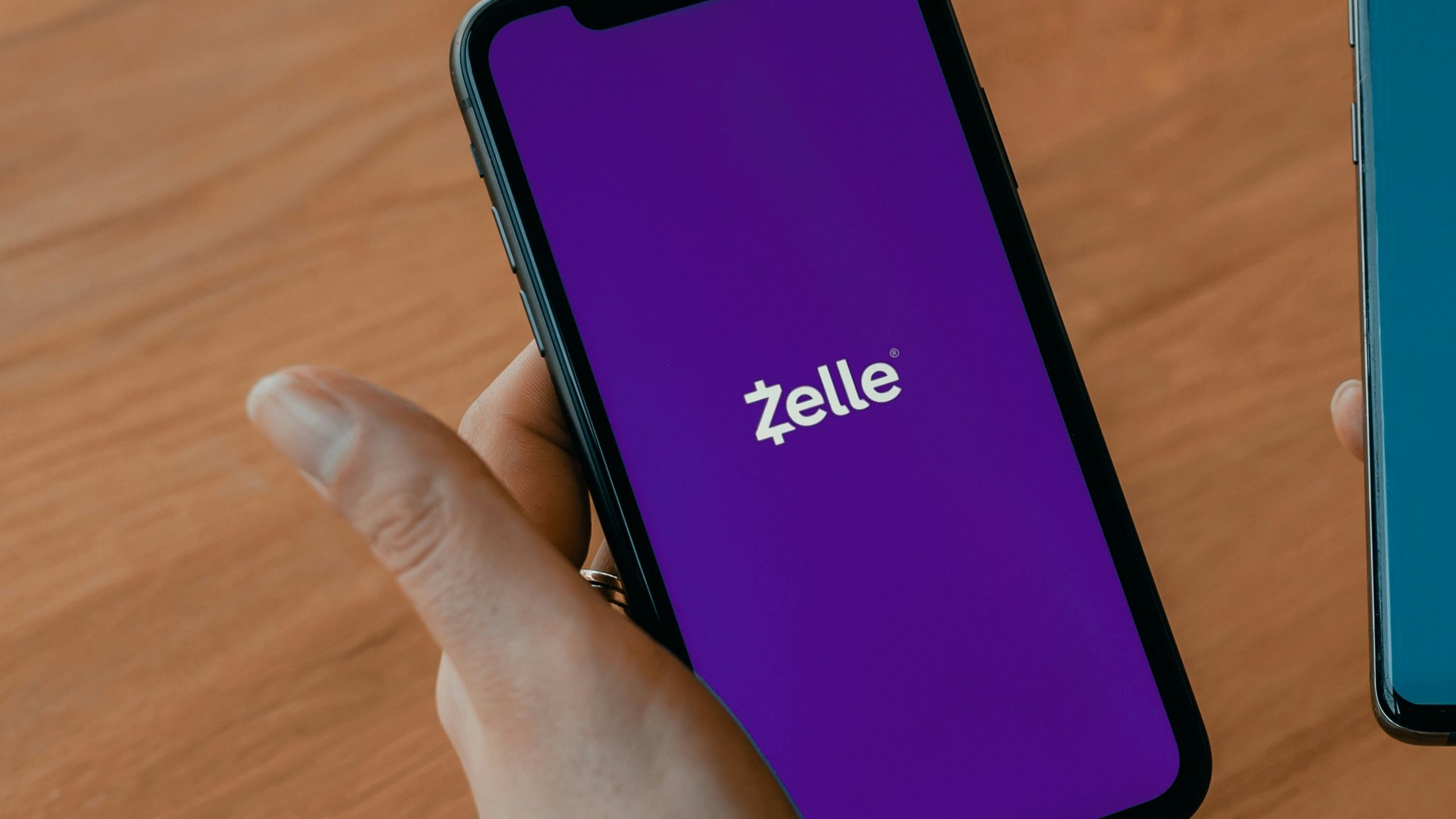
Person-to-person payment apps operate on a similar principle. They are designed to send money instantly between people who know and trust each other, functioning much like handing over cash. Once the money reaches the recipient, there is typically no built-in mechanism to reverse the transfer if the recipient turns out to be a scammer. The speed and finality that make these tools convenient for legitimate payments are the same features that make them dangerous when a criminal is on the other end.
Free for readers: Scam calls targeting retirees change every week. The free Retirement Shield newsletter flags the ones going around and the one tell that stops each. Sign up free.
Why scammers demand these methods
Because these payments are hard to reverse, they are the preferred tool of fraudsters. The Federal Trade Commission’s guidance on how to avoid a scam highlights that a demand to pay by wire transfer, a payment app, gift cards, or cryptocurrency is a hallmark of fraud, precisely because those methods leave the victim with little recourse once the money is gone. A legitimate business or government agency does not insist on being paid only through an irreversible channel.
The pattern shows up across many schemes. An impostor claiming to be from a bank’s fraud department may instruct a victim to move money to a supposedly safe account through an app. A fake tech-support agent may demand a wire to fix a nonexistent problem. A romance scammer may ask for repeated app transfers. In each case, the choice of an irreversible payment method is not incidental; it is the point, because it ensures the criminal keeps the money.
Treating these payments like cash
The safest mindset is to treat a wire or an app payment the way one would treat handing over an envelope of cash: only to a person or business genuinely known and trusted, and never in response to pressure. Because there is no chargeback safety net, the decision to send has to be right the first time. When a payment app offers a choice, sending to friends and family should be reserved for actual friends and family, not strangers or newly met contacts.
For purchases from unfamiliar sellers, a credit card generally offers stronger protection than an app or wire, because a disputed charge can be contested. Anyone urging a switch away from a card to a wire or app for a purchase or a supposed emergency is raising a red flag worth heeding. The CFPB’s resources on avoiding fraud reinforce pausing before sending money in any form when a request feels urgent or unusual.
If money has already been sent
Speed matters if a person realizes too late that a transfer was a scam. Contacting the bank or the app’s provider immediately gives the best, though still limited, chance of stopping or recovering the funds, especially if the transfer has not fully settled. Reporting the fraud to the FTC and to the payment provider also helps, and documenting everything supports any dispute.
The essential lesson is preventive: the absence of chargeback protection on wires and instant apps means the caution must come before the money moves, not after. Recognizing that a demand for one of these irreversible methods is itself a warning sign, and refusing to be rushed into sending money to anyone not fully trusted, is one of the most reliable defenses a retiree has against losing savings to a scam.
The scripts that push irreversible payments
Recognizing the situations where scammers demand these methods makes the warning sign easier to catch. A caller claiming to be from a bank’s fraud department may insist that money be moved immediately to a supposedly safe account to protect it, when in reality the transfer sends the funds straight to the criminal. A fake tech-support agent may demand a wire to fix a nonexistent computer problem. A romance scammer may ask for repeated app transfers, and a fake online seller may insist on payment through an app rather than a card. In each case, steering the victim toward an irreversible method is the objective, not a coincidence.
The common thread is pressure combined with a payment demand that leaves no recourse. Legitimate businesses and agencies do not require payment solely through a wire, app, gift cards, or cryptocurrency, and they do not manufacture urgency to prevent a person from pausing to think. When a request combines those two features, it is far more likely to be a scam than a genuine need.
Building the habit of pausing
The strongest protection is a simple rule: treat a wire or an app payment like handing over cash, sending it only to a person or business genuinely known and trusted, and never in response to pressure. For purchases from unfamiliar sellers, a credit card generally offers stronger protection than an app or wire because a disputed charge can be contested. The Consumer Financial Protection Bureau’s resources on avoiding fraud reinforce pausing before sending money in any form when a request feels urgent or unusual. If money has already been sent, contacting the bank or payment provider immediately offers the best, though limited, chance of recovery. Because these methods carry no chargeback safety net, the caution has to come before the money moves, which is exactly why recognizing the demand for one as a red flag is such a reliable defense.
Free for readers: Want plain-English help keeping more of your money in retirement? The free Retirement Shield newsletter covers scams, benefits, and money you’re owed, a couple times a week. Subscribe free.
This article was researched and drafted with AI assistance and reviewed against the linked primary sources.