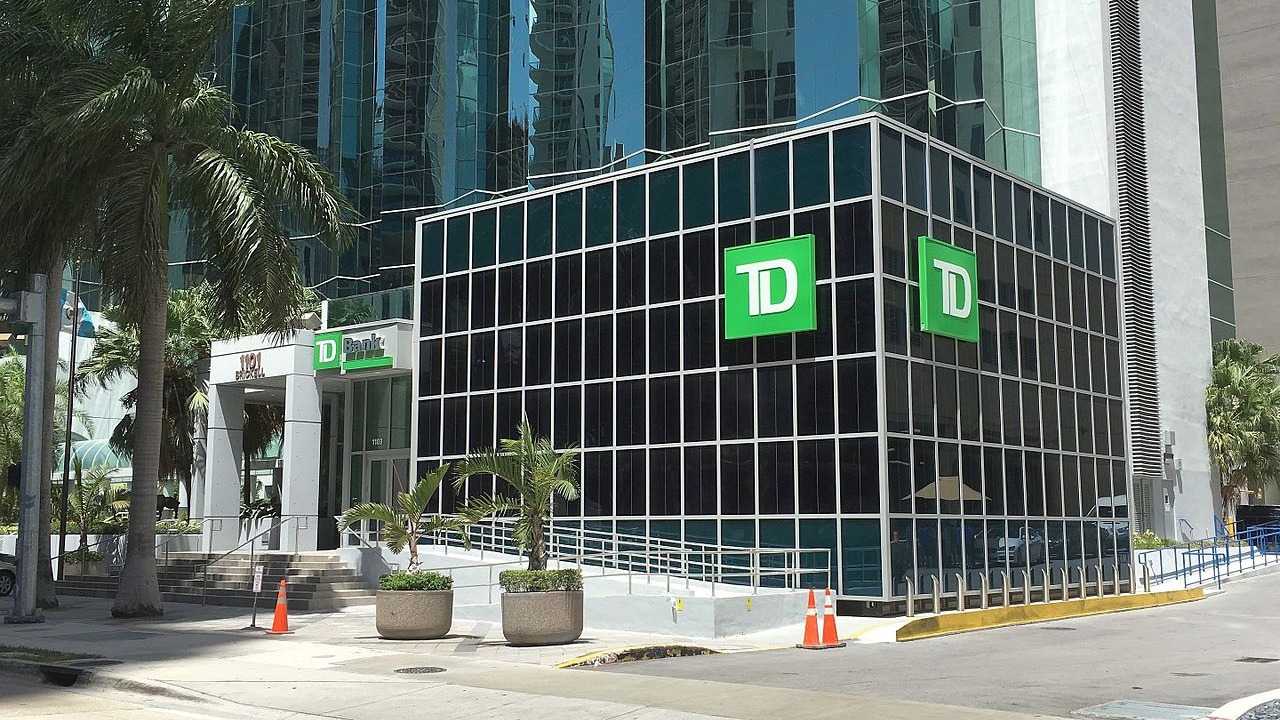
Two former TD Bank employees who used their positions inside the bank to move and steal money have been sentenced to federal prison, one for helping a laundering network push hundreds of millions of dollars in criminal cash through customer accounts. The Justice Department announced the sentences in mid-July 2026, describing insiders who turned the trust that comes with a bank job into a tool for crime. For older customers who assume the people behind the counter are a line of defense against fraud, the case is an uncomfortable reminder that the threat sometimes wears the bank’s own badge.
How Two TD Bank Employees Abused Their Access
According to the Justice Department, Wilfredo Aquino, 47, of Manhattan, was a TD Bank assistant store manager who used that role to help a money laundering network move enormous sums through the bank. From 2019 to February 2021, the network’s leader, Da Ying Sze, also known as David, and his co-conspirators moved approximately $474 million through TD Bank accounts by depositing cash at branches in New York, New Jersey, and elsewhere. Aquino personally processed roughly 1,680 official bank checks for the group, totaling more than $92 million, and was sentenced to 46 months in prison. A second former employee, Edward Low, 31, of Flushing, worked at TD Bank and another financial institution and was sentenced to 24 months for conspiring to commit wire fraud affecting a financial institution and making false bank entries. Prosecutors said Low took bribes and passed confidential customer information to co-conspirators outside the bank, who used it to reach into accounts and steal money.
Free retirement updates: Want plain-English help keeping more of your money in retirement? The free Retirement Shield newsletter covers scams, benefits, and money many retirees may be owed, a couple times a week. Subscribe free.
What an Insider Threat Actually Looks Like
The two cases show insider fraud running along two different tracks, and both matter for anyone with money in a bank. Aquino’s conduct fed a laundering pipeline: a job that let him process official checks became the mechanism that gave dirty money a clean paper trail through legitimate accounts. Low’s conduct was more direct theft of information, using a position of trust to hand account details to outsiders who then drained accounts. In each version, the safeguard that customers count on, an employee bound to protect their money, was the exact thing that failed. The volume involved, roughly $474 million routed through the bank and more than $92 million in checks handled by a single manager, shows that insider schemes are not small side operations but industrial-scale movements of cash.
Insider access is dangerous precisely because it bypasses the defenses aimed at outside fraudsters. A stolen password or a phishing email can be blocked, but an employee with legitimate system access and customer information starts inside the perimeter. That is why a customer’s own vigilance over statements and account activity remains valuable even when the wrongdoing originates within the institution. An employee who can process transactions or read customer files does not trip the alarms built to stop strangers, which is what let a single manager handle nearly 1,700 checks worth more than $92 million before the scheme was unwound.
Where TD Bank’s Compliance Problems Fit In
These sentences land against a backdrop of documented failures in how the bank policed illicit money. TD Bank has already faced major penalties for weaknesses in its anti-money-laundering controls, the same category of controls that are supposed to flag exactly the kind of activity Aquino helped conceal. The prosecution of individual insiders is the enforcement layer that sits on top of those institutional penalties, holding specific employees accountable for exploiting gaps rather than closing them. For a customer, the takeaway is not that one bank is uniquely compromised but that the systems meant to catch laundering depend on the honesty of the people running them, and that dishonest insiders are a recognized and prosecuted risk.
Protecting an Account When the Risk Is Internal
The defenses that guard against outside fraud also help against insider theft. Reviewing bank and card statements line by line, setting up transaction alerts so an unexpected withdrawal surfaces quickly, and questioning any account change that was never requested are the habits that catch stolen-information schemes early, whatever the source. Anyone who spots activity they did not authorize can report identity theft and get a personalized recovery plan through the Federal Trade Commission’s IdentityTheft.gov, which walks victims through disputing charges, freezing credit, and documenting the loss. The Justice Department’s account of these two former employees makes the underlying point plainly: the money moving through a bank is only as safe as the people entrusted to handle it, and when that trust is sold, prosecutors are treating it as the serious crime it is.
This article was researched and drafted with AI assistance and reviewed against the linked primary sources.
More Financial Reading
- Adding someone to your bank account: tax traps and smart moves
- The ideal retirement withdrawal rate so your savings actually last