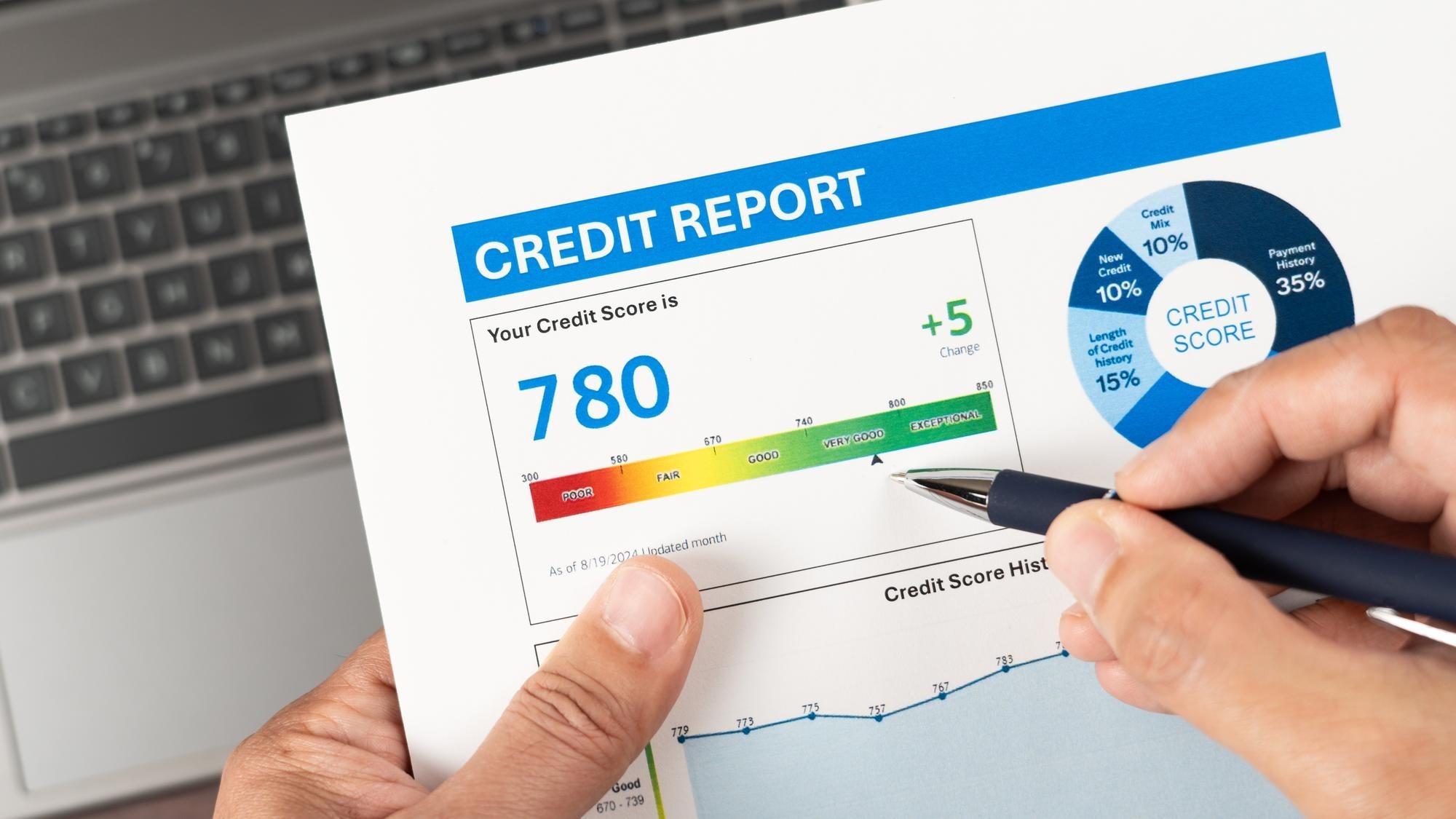
A credit report is usually where identity theft shows its face first. A card, a loan, or an account opened in someone else’s name lands on that file before any bill or collection letter ever reaches the mailbox. For older Americans, whose Social Security numbers keep surfacing in one corporate data breach after another, catching that stray entry early is often the difference between a five-minute dispute and months of cleanup. Since 2023 the three national credit bureaus have made those reports free to pull every single week, not just once a year, which turns fraud-checking from an annual guess into a routine that actually works.
Only AnnualCreditReport.com fills the free orders
The detail that trips up first-timers is the website itself. Dozens of look-alike sites advertise “free” reports, then push visitors into paid monitoring subscriptions or quietly harvest the personal data typed into the form. Just one source is authorized under federal law to deliver the free reports every consumer is entitled to.
The Federal Trade Commission identifies AnnualCreditReport.com as the only website cleared to fill those orders, with a toll-free phone line and a mail-in form available for anyone who would rather not use a computer. Reports come directly from Equifax, Experian, and TransUnion at no charge, and the legitimate site never emails asking for a Social Security number or account password.
Reaching the real service is simple. Requests can be made at AnnualCreditReport.com, by calling a toll-free number, or by mailing a request form, and the online route returns each report within minutes. A report ordered by mail arrives within about two weeks. Because look-alike names and paid “free trial” traps are common, typing the address in by hand, rather than clicking a link from a search ad or an email, avoids the imitators that surround the genuine site.
Free retirement updates: Want plain-English help keeping more of your money in retirement? The free Retirement Shield newsletter covers scams, benefits, and money many retirees may be owed, a couple times a week. Subscribe free.
Weekly access replaced the old once-a-year limit
For most of the past two decades, federal law guaranteed one free report from each bureau every twelve months. That changed during the pandemic, when the bureaus began offering weekly reports at no cost as a temporary measure. In late 2023 they made the weekly option permanent, so a consumer can now check each of the three files fifty-two times a year without paying.
That frequency matters because the three bureaus do not always hold identical information. A lender might report to one and not the others, and a fraudulent account can appear on a single file. Pulling all three on the same day gives the fullest picture, but many people prefer to stagger them, checking one bureau roughly every four months to keep a near-continuous watch across the year at no cost.
What a fresh report actually reveals
A credit report lists the accounts open in a person’s name, the companies that have recently requested the file, and the addresses and employers on record. Reading it is a matter of scanning for anything unfamiliar: a credit card never applied for, a loan from an unknown lender, a hard inquiry from a store the reader has never visited, or a mailing address in a state they have never lived in. Any of those can be the fingerprint of someone using stolen personal data to open credit.
Older adults who have largely stopped applying for new credit have an advantage here, because their reports should be quiet. A sudden new account or inquiry stands out sharply against a stable file, making the weekly scan quicker and the red flags easier to spot. It also pays to check the personal-information section, since a new alias, a wrong Social Security number, or an unfamiliar phone can be an early sign that a thief is assembling a false identity in someone else’s name.
Disputing an error or a fraudulent account
Spotting a bad entry is only useful if it gets removed. A consumer who finds an account they did not open, or a balance that looks wrong, can dispute it directly with the bureau reporting it and with the business that furnished the information. The bureau generally must investigate and correct or delete inaccurate items, and an account traced to identity theft can be blocked so it stops dragging down the score or generating collection calls.
Catching the problem early is what keeps the cleanup small. An unauthorized account found the week it appears can often be closed with a few calls and a fraud report, while the same account left unnoticed for a year can generate missed payments, collections, and a damaged score that takes months to repair. For a retiree who may soon need clean credit to refinance a mortgage, rent a home, or qualify for insurance, that early catch protects far more than a number on a page.
Because the reports do not include the credit score itself, someone tracking a number will still need it from a bank, card issuer, or free service. The report is the evidence file, and the FTC’s position is straightforward: the only cost-free, government-backed way to see it is AnnualCreditReport.com, checked often enough that fraud has nowhere to hide for long.
This article was researched and drafted with AI assistance and reviewed against the linked primary sources.
More Financial Reading
- Adding someone to your bank account: tax traps and smart moves
- The ideal retirement withdrawal rate so your savings actually last