The call arrives with an alarming claim: an account has been breached, a criminal is draining it, and only fast action can save the money. Then comes the instruction that ties the whole story together, an order to move the savings into a new “safe” or “secure” account the caller will help set up. That single step is not a rescue. It is the entire point of the con, and no genuine bank or government agency ever asks for it.
The “safe account” script and why it works
The setup follows a familiar arc. Someone posing as a bank’s fraud department, a government investigator, or a security officer says they have spotted suspicious activity and are calling to help. To sound credible, they may already know a few real details, recite a spoofed phone number that matches a bank’s, or pass the target between several “departments.” The emotional pressure is deliberate: fear of loss plus a ticking clock leaves little room to think.
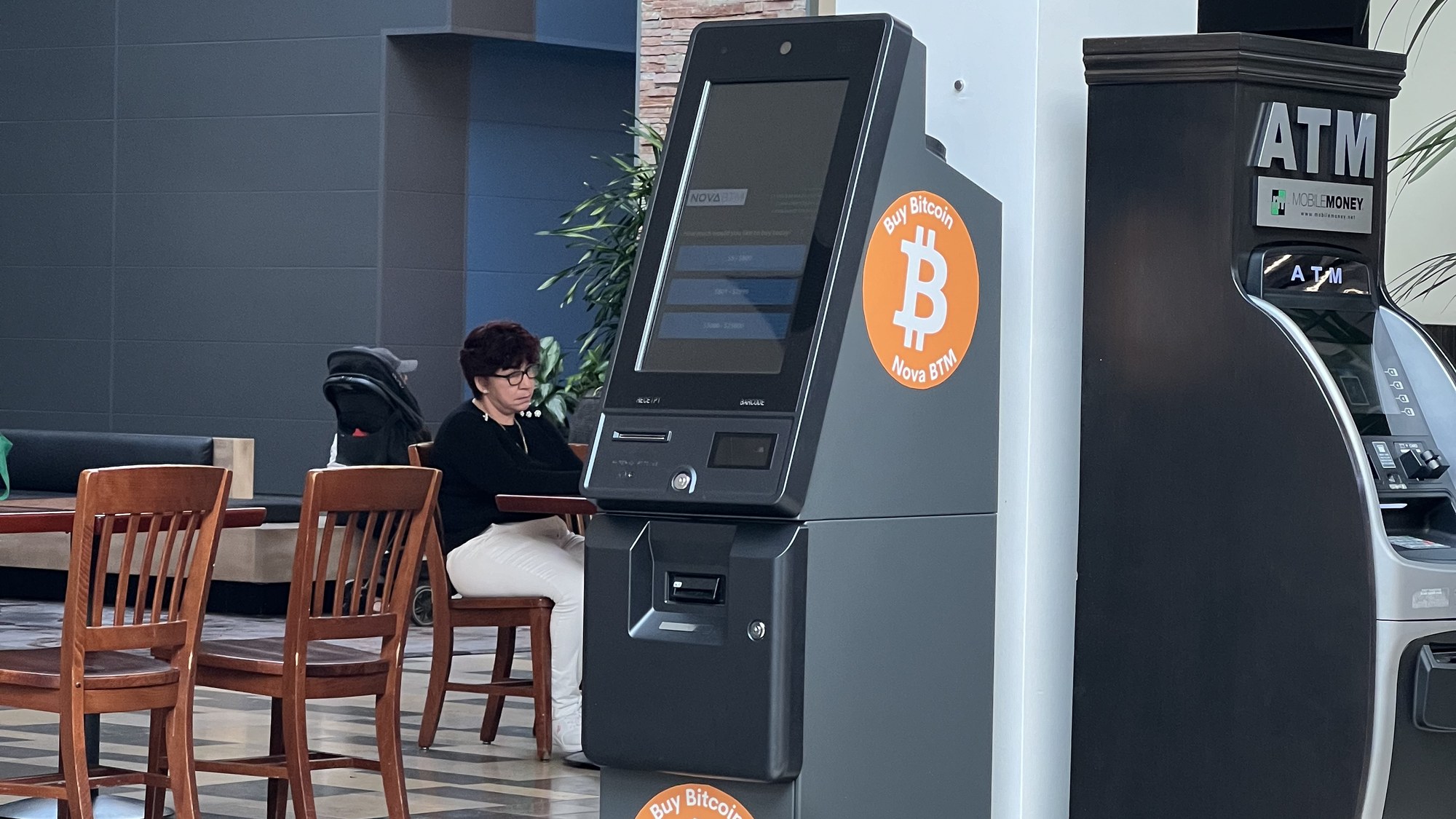
Once the target is rattled, the request narrows to a single action. The money must be transferred right now to a different account said to be beyond the criminal’s reach, or withdrawn as cash, or converted into gift cards, cryptocurrency, or gold and handed to a courier. Each variation ends the same way, with the savings landing in the scammer’s control rather than a protected one.
The Federal Trade Commission, in its guidance on how to recognize imposter scams, states the rule plainly: nobody legitimate will ever tell a person to move money to keep it safe. The money is already fine where it sits, insured and under the account holder’s own control. The demand to relocate it is the tell.
Free retirement updates: Scam calls targeting retirees change every week. Our free Retirement Shield newsletter flags the ones going around and the one tell that stops each. Sign up free.
How a real bank actually handles suspected fraud
Genuine fraud response looks nothing like the script. When a bank spots a questionable charge, it typically freezes or declines the transaction, flags the card, and asks the customer to confirm activity, not to empty the account. A real institution does not need a customer to shuttle funds elsewhere to protect them, because it can already block, reverse, or reissue on its own systems. It also does not demand secrecy, ask for online-banking passwords or one-time codes, or send a driver to collect cash and valuables.
Anyone who has received such a call can end it and reach the bank directly using the number printed on the back of a debit card or on a monthly statement. That independent callback breaks the scammer’s control, because the fraud never survives contact with the real institution.
Why older savers are the favored target
Impersonation scams that convince a person to move money have grown sharply, and the largest individual losses fall disproportionately on older adults, who more often hold substantial retirement and savings balances. A single “safe account” transfer can wipe out funds meant to last decades, and because the victim authorized the transfer under a false story, recovery is rarely possible.
The FTC has warned that these losses are climbing, and its consumer alert titled never move money to protect it underscores that the instruction itself is the fraud, regardless of how official the caller sounds or how urgent the threat seems.
The one rule that defeats every version
Because the con comes in many costumes, a bank officer, a Social Security agent, a tech-support rep, the useful defense is not memorizing each disguise but holding one line: legitimate parties never require savings to be relocated, cashed out, or converted to protect it. Any request to do so, no matter the badge or the story, marks the call as a scam.
The safest response is to stop, resist the manufactured urgency, and verify independently before touching a dollar. Hanging up and calling the bank, agency, or family member back through a known number costs nothing and exposes the lie. For a retiree told that only an immediate transfer can save a life’s savings, refusing to move the money is not the risky choice; it is the one that keeps the money safe.
Where the money actually goes once it moves
The “safe account” is a fiction, but the destinations the script steers toward are very real, and each is chosen for how hard it is to trace. In some versions the target is told to wire the balance to an account the caller controls; in others, to withdraw the savings as cash and hand it to a courier who arrives at the door, or to buy gift cards and read the numbers aloud over the phone. Increasingly, targets are directed to convert the money into cryptocurrency or even gold bars, purchases that feel like protective moves but simply reshape the loss into a form a criminal can collect anonymously.
Each of these channels shares the trait that makes the con work: once the transfer clears, the handoff is made, or the purchase is complete, the money is effectively unrecoverable. No fraud department can reverse a bag of cash pressed into a stranger’s hands or a gift-card code that has already been redeemed. That is why the pressure is always to act within the same phone call, before the target has a chance to run the story past anyone who would recognize it for what it is. The urgency is not concern for the savings; it is the closing move of the theft.
This article was researched and drafted with AI assistance and reviewed against the linked primary sources.
More Financial Reading
- What really happens to your joint savings account when you die?
- The ideal retirement withdrawal rate so your savings actually last