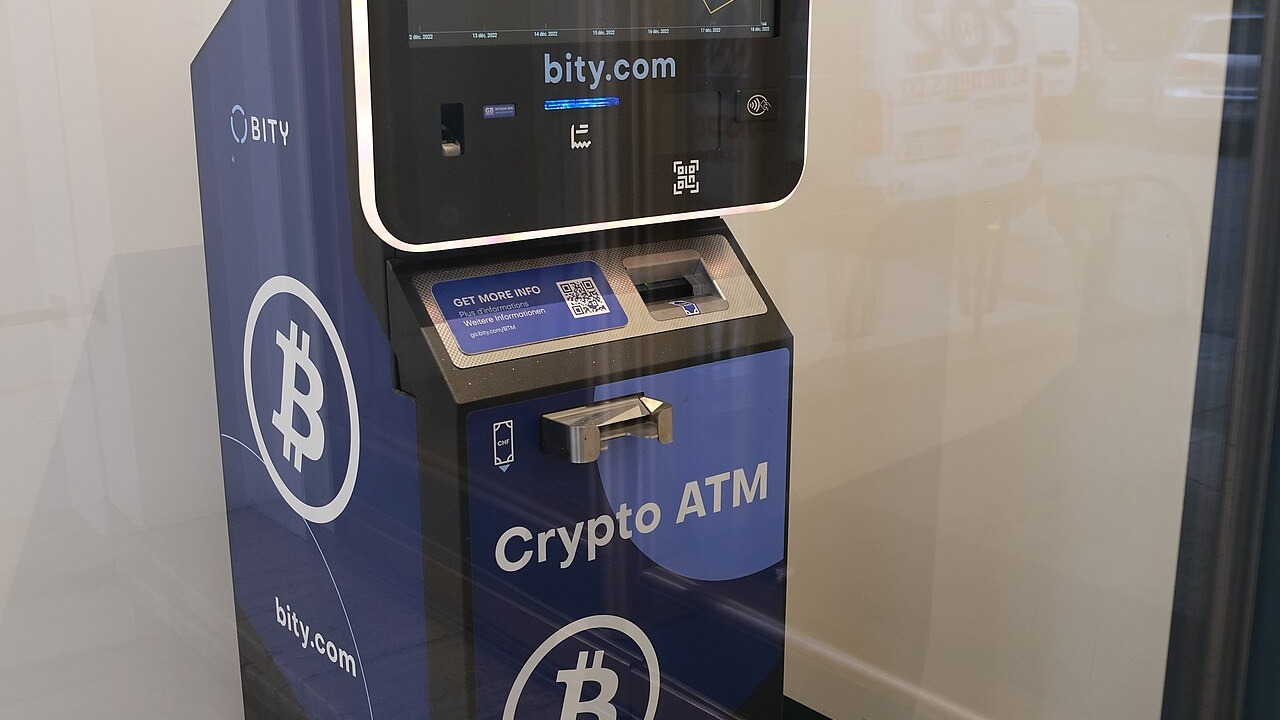
Inside many convenience stores and gas stations now stands a machine that looks like a cash dispenser but works in reverse: it takes paper money and converts it into cryptocurrency. These crypto kiosks serve legitimate customers, but scammers have made them a favorite tool, because money that goes in one is gone the instant the button is pressed, with no bank to call and no transaction to undo.
Why scammers steer victims to a crypto kiosk
The appeal to a criminal comes down to three qualities. A cryptocurrency transfer settles almost instantly, it can be sent anywhere in the world, and, unlike a check or a card charge, it cannot be reversed once completed. When a victim feeds cash into a kiosk and sends it to a wallet the scammer controls, the criminal owns those funds immediately and can move them across borders within minutes, far beyond the reach of a hometown bank or police department.
The pitch always arrives with pressure and a script. A caller might pose as a government official demanding payment of a supposed debt, a fraud investigator claiming the victim’s accounts are compromised and the money must be “protected,” or a tech-support agent insisting a refund went wrong and must be fixed. The details vary, but the instruction is the same: withdraw cash, drive to a specific machine, and deposit it right away.
The FBI’s Internet Crime Complaint Center, which collects fraud reports through its public complaint portal, has warned that criminals now walk victims step by step through the entire process, telling them how much to withdraw from the bank, where to find the nearest kiosk, and how to scan a QR code that routes the cash to the scammer’s wallet. That QR code is the trap: it encodes the criminal’s address, so the victim who scans it is sending money straight to the thief while believing they are following official instructions.
Free retirement updates: Scam calls targeting retirees change every week. Our free Retirement Shield newsletter flags the ones going around and the one tell that stops each. Sign up free.
How the pressure is built
These scams succeed by manufacturing an emergency that leaves no room to think. The caller invents a crisis, an arrest warrant, a frozen account, a hacked computer, and insists it can only be resolved in the next hour. Victims are often told to stay on the phone during the entire trip to the kiosk, a tactic that isolates them from anyone who might interrupt with a calmer perspective, and they are frequently warned to keep the matter secret from family or bank tellers.
Older adults are heavily represented among crypto-kiosk victims, and the losses can be severe because the instruction is often to send everything at once. The unfamiliarity of cryptocurrency works against the target: many are told the kiosk is simply a way to “hold” or “secure” their money, when in reality each deposit is an irreversible payment to a stranger. The very newness of the technology becomes part of the deception, since a person who has never used a crypto kiosk has no instinct for how final the transaction is until it is too late. Some scammers even coach victims to make several trips over days, feeding in the daily maximum each time, until an entire retirement account has been drained one deposit at a time.
The rule that stops it cold
One principle defeats every version of this scam: no legitimate government agency, bank, utility, or business will ever direct a person to a cryptocurrency ATM to make a payment or safeguard funds. That instruction, on its own, marks the caller as a fraud, regardless of how official the story sounds or how convincingly the caller ID appears to match a real agency. A real agency communicates through mail and established channels and does not demand payment in cryptocurrency delivered through a kiosk.
The safest response to any such demand is to hang up and independently verify. Rather than trusting a number a caller provides, a person can look up the agency or company through a bill, a card, or an official website and call directly to ask whether the claim is real, which it will not be. Talking the situation over with a trusted family member or a bank employee before withdrawing cash breaks the isolation the scammer depends on, and a teller who sees a customer preparing a large cash withdrawal tied to a phone call may recognize the pattern and intervene.
What recovery looks like after the money is sent
Because these transfers are irreversible, the window to act is narrow and the odds are difficult, but reporting still matters. A victim should contact their bank immediately, note the exact machine and the wallet address if visible on the receipt, and file a complaint with the FBI’s Internet Crime Complaint Center as quickly as possible. Fast reporting occasionally allows investigators to trace or freeze funds before they scatter, and every report helps map the networks running these schemes.
Crypto kiosks are not inherently sinister, but their speed and finality make them the perfect instrument for a con. The defense does not require understanding how cryptocurrency works. It requires recognizing that any stranger on the phone urging cash into one of these machines is stealing, and that hanging up to verify is always the right move.
This article was researched and drafted with AI assistance and reviewed against the linked primary sources.
More Financial Reading
- Bank statements: how long to keep them and when to toss them
- How many CDs can you park at 1 bank? FDIC rules you must know