Federal prosecutors have put an unusually large number on the assets pulled away from transnational fraud networks, but the number is not the same thing as money already returned to victims. The latest court filings show how investigators trace cryptocurrency after a victim sends it, while also exposing why recovery remains far harder than preventing the first transfer.
Five complaints target another $25 million
The U.S. Attorney’s Office for the District of Columbia filed five civil forfeiture complaints on July 21 seeking more than $25 million in cryptocurrency connected to overseas scam operations. Its official announcement says the interagency Scam Center Strike Force has seized or restrained more than $800 million in assets since its November 2025 launch.
Two investigations described in the filings began with familiar approaches. In one, fraudsters developed online romantic relationships before directing victims into supposed cryptocurrency investments; five victims reported roughly $12 million in losses. In another, a fake investment platform received more than 270 victim transactions worth about $10.4 million. Prosecutors allege the funds were routed through wallets tied to scam centers in Southeast Asia.
A civil forfeiture complaint asks a court to determine that property is connected to crime. It is not a criminal conviction and does not automatically prove every allegation. It also does not place seized cryptocurrency directly into a victim’s bank account. Ownership claims, litigation, liquidation and remission procedures can stand between a restraint order and any distribution.
Free retirement updates: Scam calls targeting retirees change every week. Our free Retirement Shield newsletter flags the ones going around and the one tell that stops each. Sign up free.
The strike force follows money across blockchains
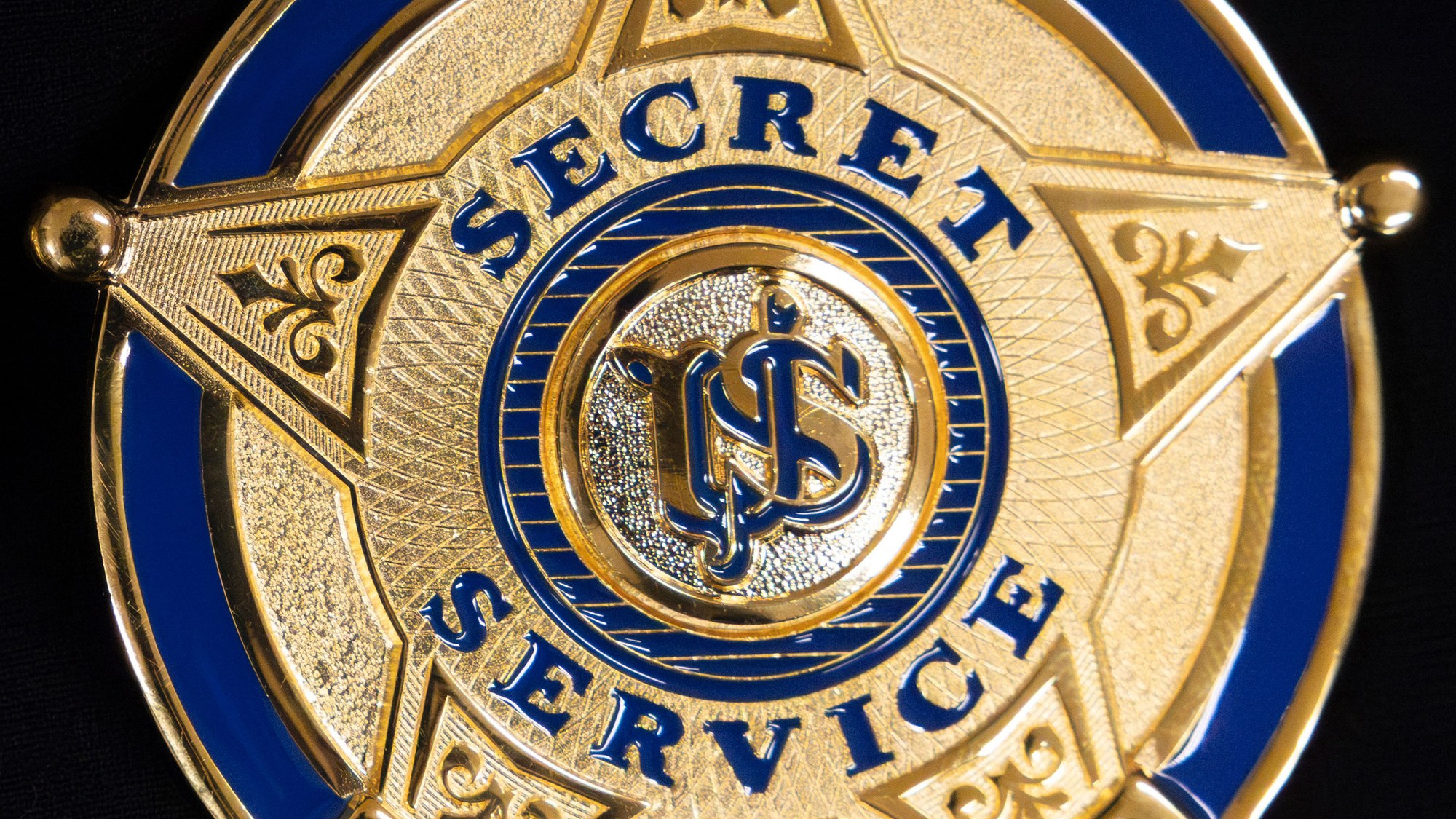
The Justice Department created the Scam Center Strike Force to combine prosecutors, the FBI, the Secret Service and other agencies around compounds that industrialize romance and investment fraud. Workers at some centers are themselves trafficking victims, while managers use scripts, social media, messaging apps and counterfeit trading sites to reach people abroad.
Cryptocurrency gives investigators a record of transfers, but not an easy undo button. Blockchain transactions can be traced from a victim wallet through a series of addresses. Prosecutors may then seek a warrant or forfeiture order when funds reach an exchange, stablecoin issuer or other point where control is possible. Criminal groups respond with rapid transfers, cross-chain swaps, shell accounts and money mules meant to break the link between the first wallet and the people directing the scheme.
Speed matters because a reachable intermediary may freeze assets before the next transfer moves them beyond the court’s practical reach.
The $800 million figure covers assets seized or restrained across strike-force matters; it should not be read as the total losses caused by scam centers or as a completed repayment fund. Asset values can move, competing owners can file claims, and the government must establish a legal basis for forfeiture. Victims may be asked for transfer records and communications to connect their losses to recovered property.
Fake platforms manufacture confidence before the loss
The strongest scam sites do not look broken. They display professional charts, account balances and small early gains. A victim may even be allowed to withdraw a modest amount, creating the appearance that the platform works. The larger transfer follows only after the relationship and interface have supplied enough evidence to overcome ordinary caution.
Then the account becomes a trap. A withdrawal request produces a demand for tax, insurance, a security deposit or an anti-money-laundering fee. Paying does not release the balance because the displayed balance was never a real custodial account. Each fee is another transfer to the same operation.
The FBI’s latest Internet Crime Report identifies cryptocurrency investment fraud as a major source of reported losses and documents the disproportionate financial harm suffered by older complainants. Retirement assets are especially attractive because they can be concentrated in brokerage or bank accounts and because a large transfer can be framed as a once-in-a-lifetime opportunity.
Transfer friction is more reliable than recovery
A request to move money from a regulated institution to a wallet controlled through a new platform deserves an independent pause. The platform’s address, legal entity and registration claims can be checked outside links supplied by the contact. A guarantee of returns, instructions to conceal the transaction from a bank, or a demand to borrow against a home or retirement account are reasons to stop rather than reasons to move faster.
Financial institutions sometimes flag an unusual wire or crypto purchase. A scammer may prepare the victim with a cover story and claim the bank is trying to block wealth. That coaching is evidence of control. Telling a trusted person the real purpose of the transfer creates a second decision-maker before funds cross into a system where reversal may be impossible.
The Justice Department’s new complaints show that recovery can happen even after funds move through overseas infrastructure. They also show the scale of the machinery required: multiple agencies, blockchain analysis, court orders and years of asset proceedings. The most valuable intervention remains the short window before a victim authorizes the first irreversible transfer.
This article was created with AI assistance and was reviewed, edited, and fact-checked by The Financial Wire editorial team.
More Financial Reading
- Bank statements: how long to keep them and when to toss them
- What really happens to your joint savings account when you die?