Gold bars can feel tangible and safe, which is exactly why government impersonators increasingly use them to move a victim’s savings beyond the banking system. A recent federal guilty plea in Arizona documents an attempted pickup worth roughly half a million dollars. The admitted conduct also shows that the person arriving at the door may be only the final link in a longer fraud chain.
The plea describes an attempted Arizona pickup
Ajay Kumar, 24, of Los Angeles pleaded guilty on July 28 to conspiracy to commit money laundering, according to the U.S. Attorney’s Office for the District of Arizona. The government says Kumar admitted attempting to pick up approximately $500,000 in gold bullion from an Arizona victim in December 2024.
That distinction is important. The official account supports an attempt, not a completed transfer of that particular $500,000. Kumar also admitted traveling to locations around the country to collect cash and gold from victims for delivery to co-conspirators, but the release does not assign a total value to all of those collections.
Sentencing is scheduled for October 8 before U.S. District Judge John J. Tuchi. Conspiracy to commit money laundering carries a statutory maximum of 20 years in prison and a $500,000 fine, but a maximum penalty is not a forecast of the sentence the court will impose.
Free retirement updates: Scam calls targeting retirees change every week. Our free Retirement Shield newsletter flags the ones going around and the one tell that stops each. Sign up free.
The scheme turns account fear into physical metal
Prosecutors say callers posed as government employees and falsely warned that victims’ accounts had been compromised. They instructed targets to move money to a supposed government account for safekeeping. Some victims remained in contact with the callers for weeks while they withdrew cash or purchased gold for people posing as government agents.
The FBI’s phantom-hacker warning describes a staged script. A supposed technology worker claims to find a hacked account, a fake bank employee raises the threat of a larger loss, and an alleged government official supplies authority and urgency. The roles reinforce one another while keeping the target isolated from a genuine bank or family member.
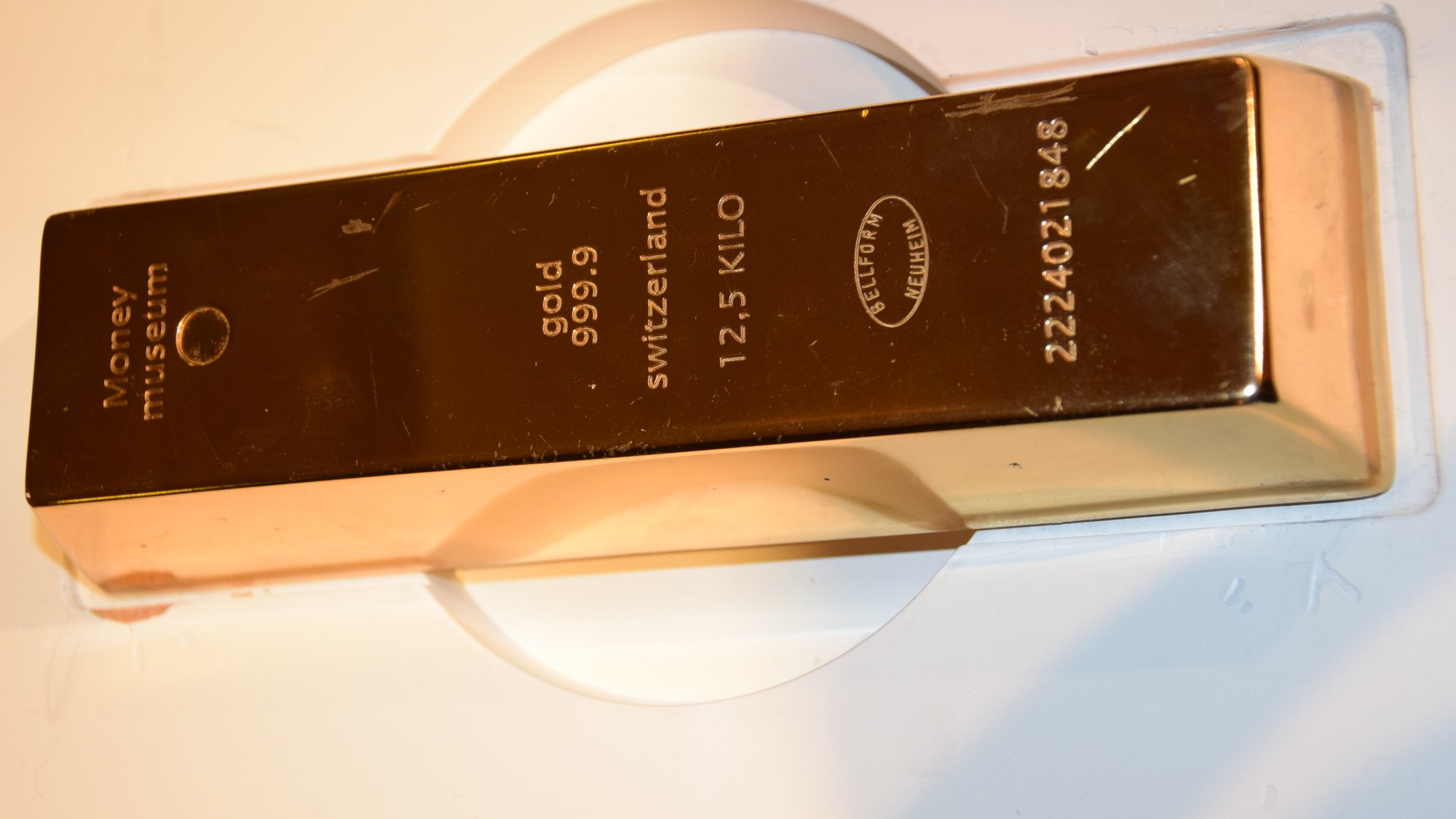
Gold changes the mechanics of the theft. A wire transfer may trigger bank review, while bullion can be handed to a courier who disappears quickly. Once the victim has converted insured deposits or retirement withdrawals into metal, the ordinary account controls no longer protect the asset. The purchase may also create taxes, dealer spreads or early-distribution consequences before the theft is even complete.
A courier’s arrival is an emergency signal
The Justice Department states three rules without qualification: the government will not call to direct someone to transfer funds to the government, will not order a person to convert assets into gold bullion and will not send a courier to collect money at a residence. Any caller claiming one of those procedures is not describing a legitimate protective operation.
A target should end the call and contact the bank using the number on a statement or card. If gold has already been purchased, the dealer should be told that the transaction is connected to suspected fraud and asked whether delivery can be stopped. Building security, local police and the financial institution can be alerted before any courier arrives.
The caller may insist that bank employees, relatives or police are involved in the supposed compromise. That instruction to conceal the transaction is itself evidence of manipulation. A real investigation does not depend on preventing a depositor from independently checking the agency’s public telephone number.
Families can agree on a simple rule before a crisis: no cash, wire, cryptocurrency or precious-metal transfer based on an incoming call. The person receiving the call can wait, write down the claimed agency and contact a designated relative or adviser through a known number. That friction is especially valuable when the caller has spent days manufacturing urgency and has instructed the target to stay on the line.
Fast records can preserve a chance of recovery
Messages, call logs, email headers, receipts, serial numbers, vehicle descriptions and surveillance video can connect a pickup to the people directing it. Reports can go to local law enforcement and the FBI’s Internet Crime Complaint Center. A bank’s fraud department should receive the same timeline, especially if recent transfers funded the bullion purchase.
Older victims may hesitate because the script was embarrassing or because the loss seems irreversible. Delay helps the network move or resell the asset. A prompt report may support a courier interception, account freeze or identification of related victims even when a full recovery cannot be promised.
The Arizona plea is useful because it fixes responsibility and language at the precise point where fear becomes a handoff. Kumar admitted an attempted pickup, and prosecutors have not claimed that the $500,000 exchange succeeded. That accuracy does not soften the warning: a stranger arriving for gold is the final stage of a fraud, not a government rescue.
This article was created with AI assistance and was reviewed, edited, and fact-checked by The Financial Wire editorial team.
More Financial Reading
- Bank statements: how long to keep them and when to toss them
- Adding someone to your bank account: tax traps and smart moves