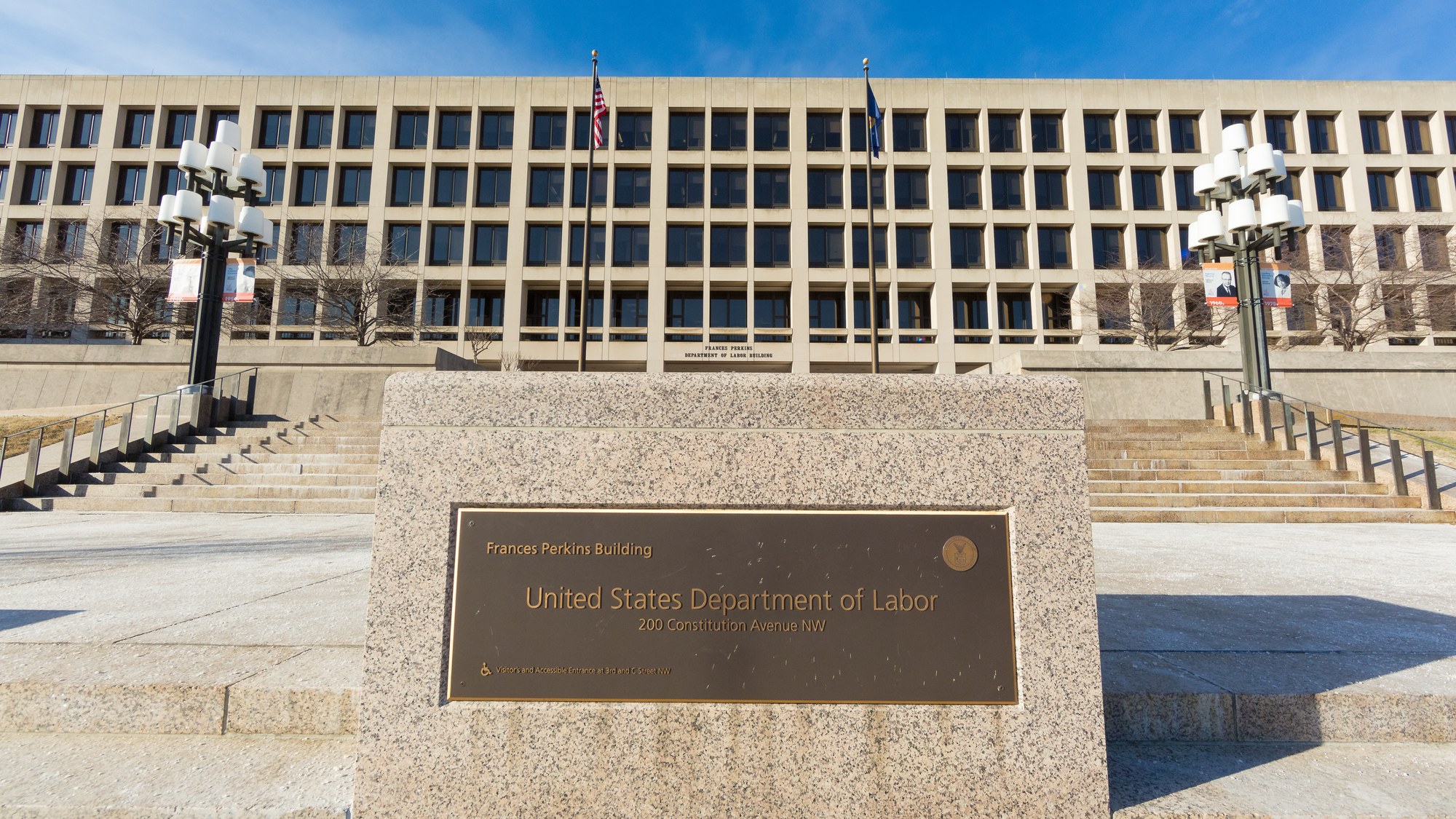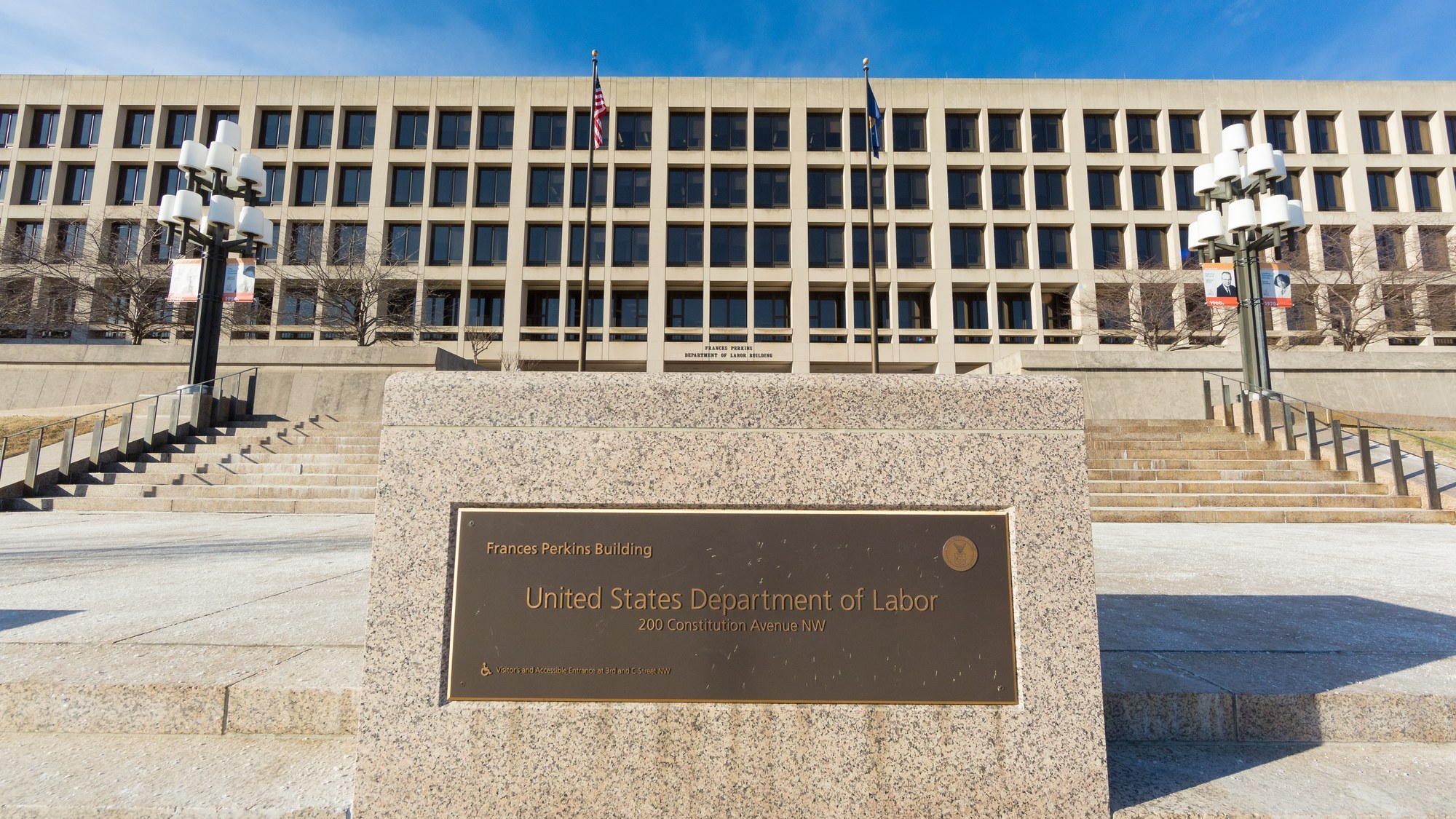
A push that began in the White House is reshaping what can sit inside a workplace retirement account. An executive order signed in August 2025, followed by a string of actions at the U.S. Department of Labor, is clearing the way for 401(k) plans to offer private equity, real estate and cryptocurrency — asset classes long walled off from the ordinary retirement saver. Supporters call it democratizing access to investments once reserved for the wealthy and for pensions. Critics call it loading higher fees and harder-to-value risk onto the accounts millions of Americans are counting on for retirement. Both sides agree on one thing: the door that had been shut is now being pried open.
What the executive order and the Labor Department actually did
The order, titled “Democratizing Access to Alternative Assets for 401(k) Investors,” was signed on August 7, 2025, and it did not by itself drop private equity into anyone’s account. Instead it directed the Labor Department to reexamine, within 180 days, its guidance on the fiduciary duties that govern what plans can offer and to smooth the legal path for alternative assets. The department moved fast. Days later, on August 12, 2025, it rescinded a 2021 statement that had warned most plan fiduciaries were not equipped to weigh private equity in participant-directed plans — language that had chilled the market for years.
The bigger step came in the spring. On March 30, 2026, the department proposed a rule to remove restrictions on alternative investments in 401(k) plans and to give fiduciaries a clearer, more protected process for including them. Crucially, the changes work through the employers and fiduciaries who build each plan’s menu: nothing appears in an individual account automatically. Cryptocurrency access, for instance, is aimed at professionally managed funds rather than direct coin purchases by participants. In practice, whether a given saver ever sees these options depends on whether their plan sponsor decides to add them.
Free retirement updates: One number can cost or save hundreds a month in retirement. The free Retirement Shield newsletter surfaces the ones worth knowing. Sign up free.
The case for and against alternatives in a nest egg
Backers of the shift argue that private markets have delivered strong long-term returns and that keeping everyday savers locked out has cost them diversification and growth that institutions and the wealthy already enjoy. Adding private equity, real estate or a managed digital-asset fund, in this view, can broaden a portfolio beyond public stocks and bonds and potentially lift returns over a long horizon.
The objections are just as concrete. The Economic Policy Institute and other critics warn that alternatives carry higher and often opaque fees, are harder to sell quickly, and are valued in ways that make it difficult for an ordinary saver to know what a holding is really worth. Private equity stakes cannot be cashed out like a mutual fund, and crypto’s swings can be violent — features that sit uneasily inside an account meant to fund a retirement that could last decades. Fees are the quiet killer: even a modest annual cost difference, compounded across a working life, can erase a large share of a final balance.
The disagreement is sharpest over how the products would actually be delivered. Industry proposals generally do not envision workers buying private-equity stakes or coins directly; instead the alternatives would sit as a slice inside a professionally managed option such as a target-date fund, the default investment in most modern 401(k) plans. That design spreads the exposure and hands the hard decisions to a manager, but it also means a saver could end up holding illiquid, hard-to-value assets without ever choosing them line by line — simply by leaving retirement money in the plan’s default fund, where the majority of participants keep it.
Why older savers face the sharpest tradeoff
The features that make private markets attractive over a 30-year horizon cut the other way for someone near or in retirement. Private-equity stakes cannot be sold on demand; they lock money up for years and are valued only periodically, so the price on a statement can lag reality by months. A worker in their 60s who needs to draw the account down soon has far less runway to ride out that illiquidity, or a sharp crypto drawdown, than a 25-year-old with decades to recover.
Required minimum distributions sharpen the problem. Starting at age 73, the tax code forces retirees to pull a set percentage out of a traditional 401(k) or IRA every year, and an account weighed down with assets that cannot be sold quickly can leave a retiree scrambling to raise cash — or forced to sell liquid holdings at a bad moment to meet the withdrawal. Layered on top are the fees, which bite hardest late: private funds commonly charge far more than the index options a plan already offers, and even a one-percentage-point difference in annual cost can quietly consume a meaningful share of a balance over a saving lifetime. For an older participant, the all-in expense and the ability to get money out on time matter more than any promise of higher long-run returns.
What it means for a retirement account today
For most workers, the immediate effect is nothing at all. The rules are still moving through a proposal-and-comment process, and any new options would arrive only if a plan sponsor chooses to offer them and a fiduciary signs off. When and if alternatives show up on a plan menu, the details will matter more than the label — the specific fund, its fee structure, how it is valued, and what share of an account it is allowed to occupy. A saver weighing an alternative fund can start with the single number that travels furthest over time: the all-in annual expense, compared against the low-cost index options most plans already carry.
The policy is also not settled. A proposed rule can be revised before it is finalized, and legal challenges over how these products fit within decades of retirement-protection law are widely expected. What has changed is the posture of the federal government, which spent years discouraging alternatives in 401(k)s and is now actively inviting them in. For anyone whose retirement runs through a workplace plan, that shift is worth watching as the Labor Department’s proposal works toward a final rule.
This article was produced with the assistance of artificial intelligence and reviewed by The Financial Wire editorial team.
More Financial Reading
- Bank statements: how long to keep them and when to toss them
- Adding someone to your bank account: tax traps and smart moves