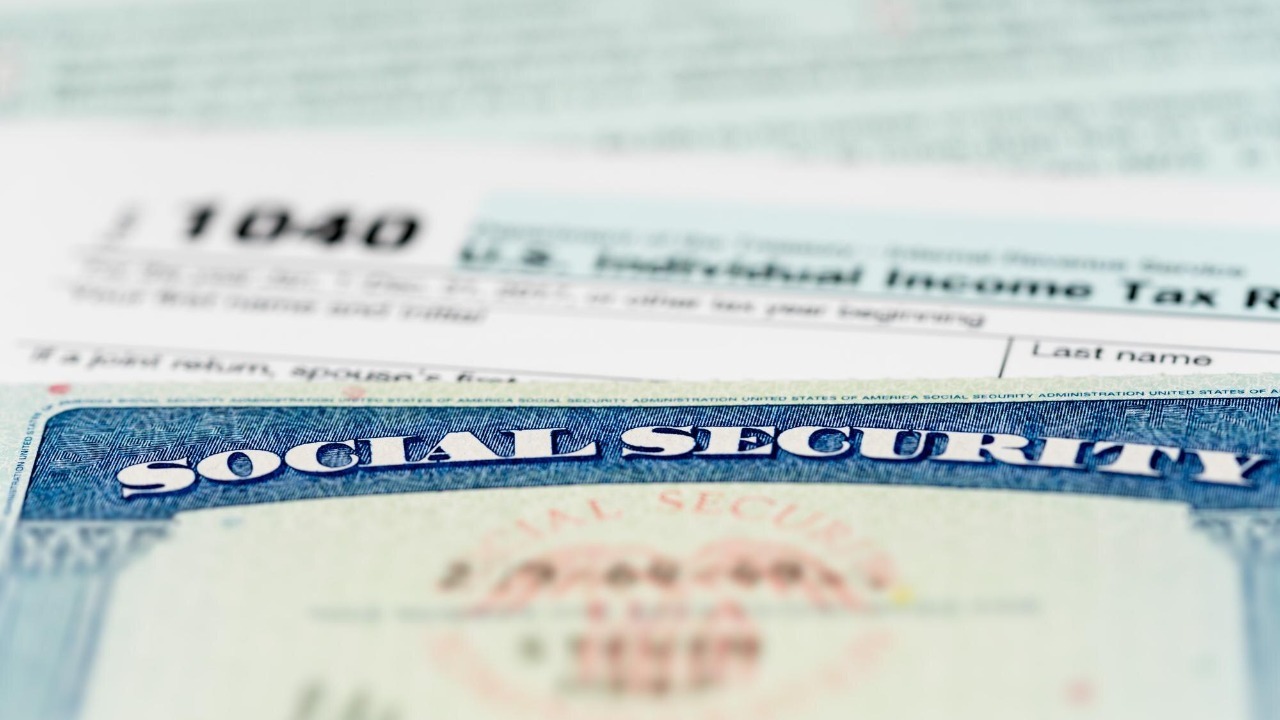
Plenty of people assume that collecting Social Security and holding a job cannot coexist, or that a paycheck permanently forfeits part of the benefit. The reality is narrower and, for most workers, more forgiving. Earnings above a yearly limit can pull down a check before full retirement age, but that money is not gone for good. Social Security tracks what it holds back and pays it out later in the form of a higher benefit.
The retirement earnings test and the 2026 limits
The rule is formally called the retirement earnings test, and it applies only to people who claim benefits before reaching full retirement age. Under the Social Security Administration’s guidance on working while collecting benefits, a beneficiary who is under full retirement age for all of 2026 can earn up to $24,480 before any withholding begins. Above that threshold, Social Security holds back $1 in benefits for every $2 earned.
The limits themselves are updated each year. SSA’s table of exempt amounts sets the 2026 figures at $24,480 for those under full retirement age throughout the year and a much higher $65,160 for those who reach full retirement age during the year. Only wages from work and net earnings from self-employment count toward the test; pensions, annuities, investment income, and withdrawals from retirement accounts do not.
Free retirement updates: One number can cost or save hundreds a month in retirement. The free Retirement Shield newsletter surfaces the ones worth knowing. Sign up free.
The looser rule in the year full retirement age arrives
The test eases considerably in the calendar year a worker reaches full retirement age. For 2026, the exempt amount jumps to $65,160, and the withholding rate drops to $1 for every $3 earned above that limit. Only earnings in the months before the full-retirement-age birthday count. Once that month arrives, the earnings test disappears entirely: a worker can earn any amount, with no reduction, from that point forward.
A separate provision helps people who retire partway through a year. SSA’s special monthly earnings rule lets someone receive a full benefit for any month earnings fall at or below a monthly cap, set at $2,040 for 2026 for those under full retirement age, regardless of what they earned earlier in the year. That prevents a strong first half of the year from wiping out benefits for someone who genuinely stops working midyear.
Why the reduction is a deferral, not a penalty
The most important and least understood feature of the earnings test is what happens to the withheld money. It is not a tax and not a forfeiture. When a worker reaches full retirement age, Social Security recalculates the benefit and effectively gives credit for the months in which payments were reduced or withheld. The result is a higher monthly benefit going forward that, over an average lifespan, restores much of what was held back.
Framed that way, the earnings test operates more like a temporary hold than a loss. A person who kept working and had benefits reduced from 63 to full retirement age generally sees the check step up afterward to reflect those withheld months.
How the test shapes an early-claiming decision
Understanding the mechanics can change how someone approaches an early claim. A worker who plans to keep a substantial salary in their early 60s may see most or all of an early benefit withheld, which raises the question of whether claiming early made sense at all. In that situation, delaying the claim until earnings drop or until full retirement age often produces a cleaner outcome and preserves delayed retirement credits on top.
For someone with modest part-time income, the picture is different. Earnings comfortably under the annual limit trigger no reduction at all, so a retiree can supplement a Social Security check with a job and keep every dollar of the benefit. The deciding factor is a single figure: expected earnings for the year measured against that year’s exempt amount.
How the withholding actually plays out
The mechanics of the reduction surprise some beneficiaries because Social Security does not shave a little off each monthly check. Instead, it withholds whole payments until the total held back covers the reduction the earnings test requires. A worker who earns enough to trigger, say, four months of withholding may receive nothing for those months and full checks the rest of the year, rather than a slightly smaller amount every month. Reporting an accurate earnings estimate to Social Security helps the agency spread that withholding sensibly and avoid a large clawback later.
What counts toward the limit is narrower than many assume. Only gross wages from a job and net earnings from self-employment feed the earnings test. Pensions, annuities, dividends, interest, capital gains, IRA and 401(k) withdrawals, and other Social Security benefits are all excluded. A retiree living largely on investment income and retirement-account distributions can therefore have substantial total income and still owe no reduction, because none of that money is the kind the test measures. That distinction is why the earnings test tends to matter most for people who claim early while continuing to hold a paying job.
This article was produced with the assistance of artificial intelligence and reviewed by The Financial Wire editorial team.
More Financial Reading
- How many CDs can you park at 1 bank? FDIC rules you must know
- Adding someone to your bank account: tax traps and smart moves