The price of a steak or a package of ground beef has become one of the more painful lines on a grocery receipt, and the reason runs deeper than a temporary blip. The nation’s cattle supply has thinned to a level not seen in generations, and federal forecasters expect the cost of beef to keep rising through the rest of the year. For retirees and others living on a fixed monthly income, where the food budget cannot simply expand to absorb higher prices, that combination lands squarely on the dinner table.
A cattle herd at its smallest in 75 years
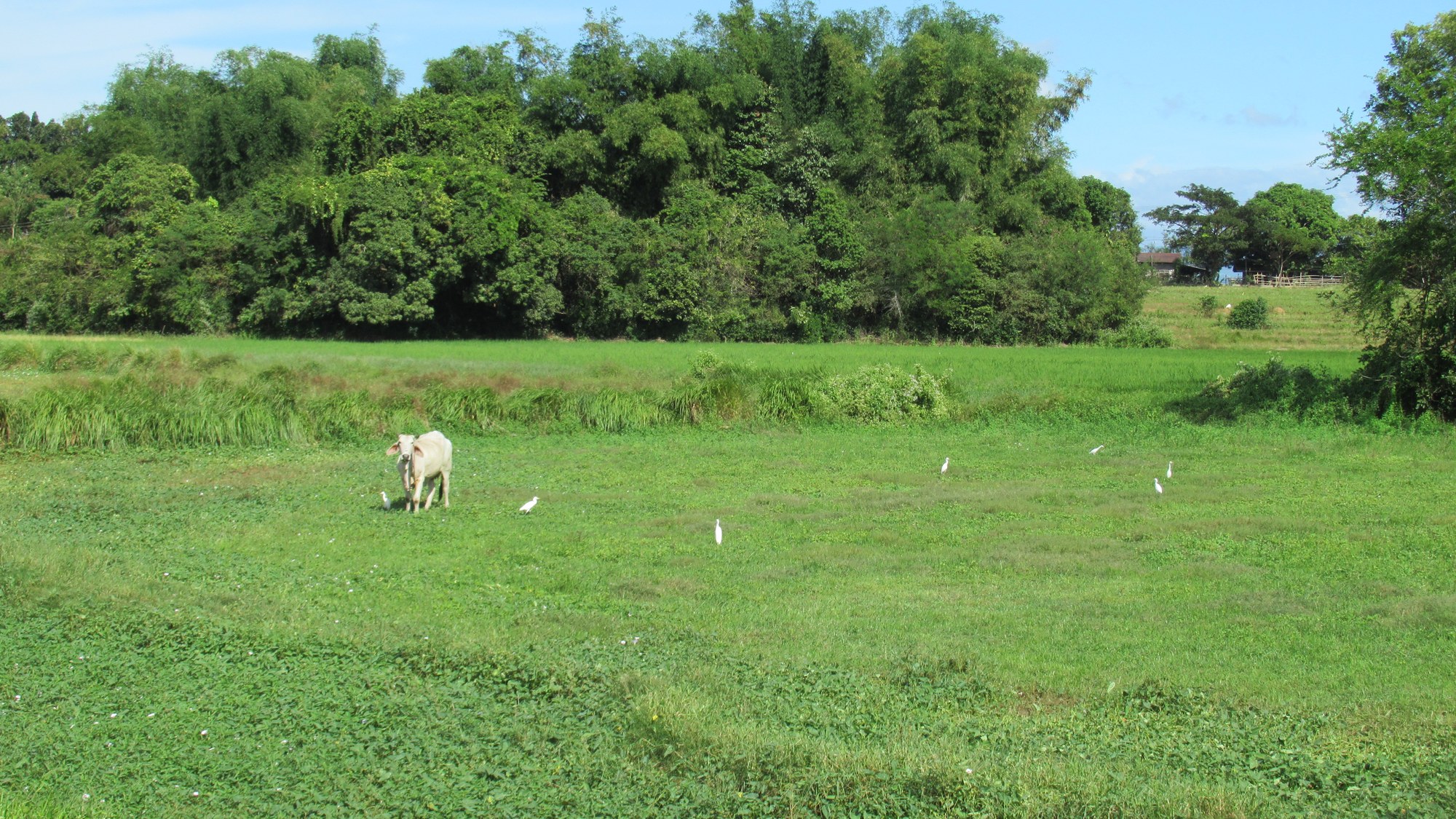
The core of the problem is supply. The U.S. Department of Agriculture’s Economic Research Service reports that the domestic cattle herd has fallen to its lowest level in 75 years, the result of a cyclical contraction that has left cattle in tight supply and pushed farm-level prices higher. Ranchers have spent years culling herds after drought raised the cost of feed and grazing land, and rebuilding a herd is slow work measured in years, not months, because it takes time for breeding decisions to translate into animals ready for market. That lag is why a shortage on the ranch keeps showing up at the meat counter long after it begins.
Free retirement updates: A quiet rule change can shrink your Social Security or Medicare check, and no one warns you. The free Retirement Shield newsletter catches these early and tells you what to do. Get it free.
What USDA expects beef prices to do in 2026
The government’s outlook does not suggest relief is near. In its Food Price Outlook updated in July 2026, USDA forecasts that beef and veal prices will rise 10.7 percent in 2026, with a prediction interval running from roughly 7 percent to nearly 15 percent. Those figures are projections rather than settled totals, but they reflect a clear direction: wholesale beef prices have been sitting at all-time highs for this time of year, and strong consumer demand has kept buyers paying even as the cost climbs. When shoppers keep reaching for beef despite higher tags, there is little market pressure to bring prices back down.
The increase also stands out against the broader grocery aisle. USDA’s forecast has food-at-home prices as a whole rising far more modestly in 2026, which means beef is outrunning most other categories rather than moving with them. A household that has watched the total grocery bill creep up may be feeling the beef line specifically, and the data explain why the two do not move in step.
Why the squeeze falls hardest on fixed incomes
For a working family, a jump in beef prices is an annoyance that can be absorbed by trimming elsewhere. For someone drawing a set Social Security benefit and a fixed pension or annuity, the math is tighter, because the monthly income does not rise just because the meat case did. Protein is not an optional purchase, and older adults are often advised to keep enough of it in their diets, so cutting beef out entirely is not a costless swap. The herd data behind the price, drawn from USDA’s cattle inventory reports, point to conditions that are likely to persist rather than reverse quickly, which makes this less a temporary spike to wait out and more a shift to plan around.
Stretching the food budget while prices stay high
There are practical ways to hold the line without abandoning protein. Leaner and tougher cuts, such as chuck and round, tend to cost less per pound than premium steaks and do well in slow-cooked dishes. Buying a larger quantity when a store runs a genuine sale and freezing portions can lock in a lower price before the next increase. Poultry, pork, eggs, beans, and canned fish deliver protein at a fraction of the cost of beef, and USDA’s outlook shows several of those categories rising more slowly, or in the case of eggs even easing, so rotating them into weekly meals can meaningfully lower the total bill. None of that erases the underlying pressure, but with the cattle herd at a 75-year low and federal forecasters pointing to further increases, the households most exposed to fixed incomes have the most to gain from shopping deliberately rather than out of habit.
This article was researched and drafted with the assistance of AI and reviewed by The Financial Wire editorial team.
More Financial Reading
- Bank statements: how long to keep them and when to toss them
- Adding someone to your bank account: tax traps and smart moves