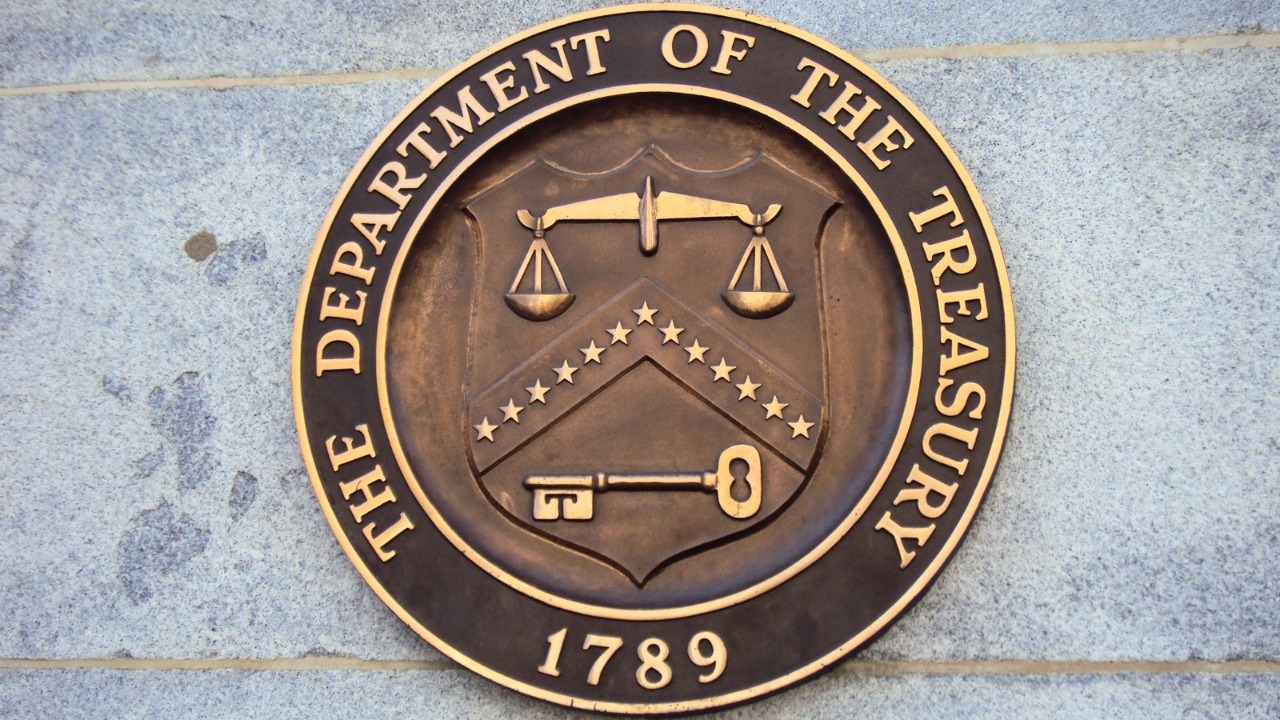
For older Americans still carrying federal student debt, one of the harshest collection tools in the government’s arsenal is coming back into use. The Treasury can withhold up to 15 percent of a monthly Social Security payment to collect a defaulted federal student loan, and after a long pause those offsets are resuming in the summer of 2026. Roughly 452,000 Social Security recipients, many of them retirees living on fixed incomes, are estimated to be exposed.
How the 15 percent Social Security offset works
The mechanism is the Treasury Offset Program, which lets the government intercept federal payments, including Social Security retirement and disability benefits, to satisfy defaulted federal debts. A federal student loan generally falls into default after about nine months of missed payments, and once it does, the borrower’s Social Security check becomes a collection target. The Consumer Financial Protection Bureau’s issue spotlight on Social Security offsets documents how these seizures fall hardest on older borrowers, who often took on the debt for their own education years ago or co-signed for a child or grandchild and never cleared the balance.
Free retirement updates: Enrollment and claim windows come and go, and missing one can cost you real money. The free Retirement Shield newsletter keeps you ahead of the deadlines that matter. Sign up free.
The $750 monthly floor that limits the damage
The offset is capped in two ways. The government can take no more than 15 percent of the total monthly benefit, and a separate statutory protection keeps a benefit from being cut below $750 a month. In practice the offset applies to the portion of a benefit above that $750 floor, so a retiree collecting a modest check may lose less than a straight 15 percent, while the floor shields the smallest benefits almost entirely. The protection is meaningful for recipients whose Social Security is their only income, but it still leaves many facing a monthly reduction they did not budget for. Supplemental Security Income is treated differently and is exempt from the Treasury Offset Program altogether, so recipients of SSI rather than Social Security retirement or disability benefits are not subject to these seizures.
How borrowers can stop the offset before it starts
The offset is not automatic and can be headed off. The most durable fix is loan rehabilitation: a borrower who makes nine reasonable, on-time monthly payments within a ten-month window removes the loan from default and takes the Social Security benefit out of reach of the offset. Other paths exist depending on circumstances. A Total and Permanent Disability discharge can wipe out the debt for those who qualify, and borrowers can request a review or file a financial-hardship objection to reduce or pause a scheduled offset. The Department of Education, which oversees federal student aid and default resolution through its student-aid programs, directs defaulted borrowers to its default-resolution group to arrange rehabilitation or consolidation before collection begins.
Why the restart matters now for retirees
Collection on defaulted federal loans was suspended for years, first during the pandemic payment pause and then through a wind-down period, which is why the resumption in 2026 is landing on households that had grown used to full checks. Reporting on the return of Social Security garnishment notes that the population most affected skews older, with borrowers in their sixties and seventies among those at risk of a smaller monthly benefit. The window between now and the start of an individual offset is the time to act, because rehabilitation and hardship reviews take weeks to process and cannot undo money already withheld. For a retiree whose Social Security check is the foundation of a monthly budget, confirming a loan’s status with the federal default-resolution office is the step that determines whether that check arrives whole.
This article was researched and drafted with the assistance of AI and reviewed by The Financial Wire editorial team.
More Financial Reading
- The ideal retirement withdrawal rate so your savings actually last
- How many CDs can you park at 1 bank? FDIC rules you must know