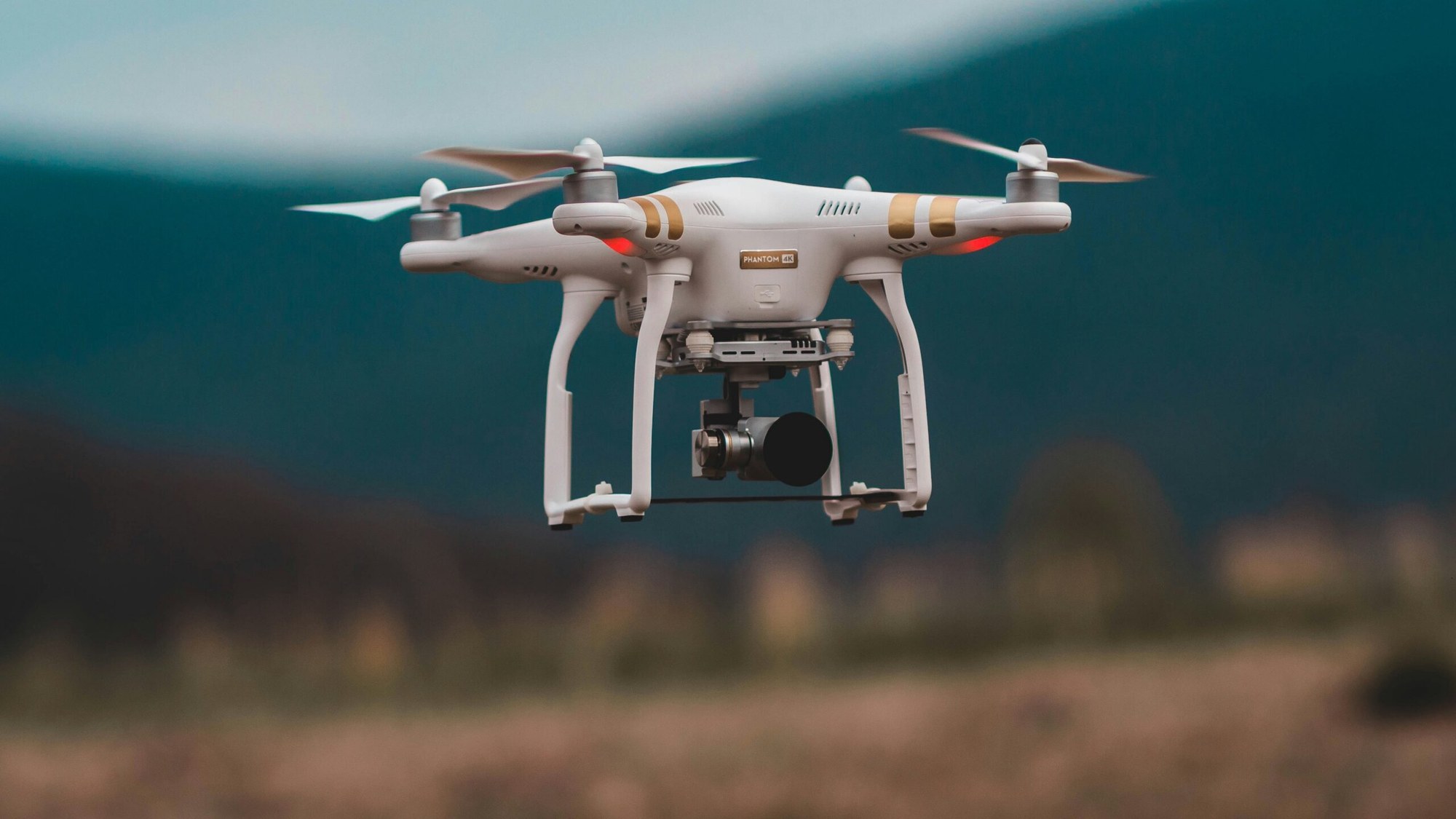
A new set of import tariffs aimed at drones is scheduled to hit on September 3, and the price of everything from a hobbyist’s camera quadcopter to a farmer’s crop-scouting aircraft is likely to move with it. The duties, running as high as 100 percent, flow from a presidential proclamation signed August 13 under a national-security trade law. For older Americans who fly drones for photography, land surveying, or simple recreation, and for the small businesses that sell and service them, the change arrives as a direct hit to the sticker price.
What the September 3 tariffs cover
The action rests on Section 232 of the Trade Expansion Act, the same national-security authority behind earlier metals tariffs. According to the presidential proclamation, a 100 percent tariff applies to specified unmanned aircraft systems and components, including drones with a maximum takeoff weight above 25 kilograms, drones with thermal-imaging capability, docking stations, and a list of critical parts. A lower 25 percent tariff applies to smaller drones weighing 25 kilograms or less, the category that covers most consumer and prosumer models sold in the United States. Both rates are set to take effect September 3.
Free retirement updates: Enrollment and claim windows come and go, and missing one can cost you real money. The free Retirement Shield newsletter keeps you ahead of the deadlines that matter. Sign up free.
A second wave arrives in 2027
The proclamation does not stop at the September date. A separate 25 percent tariff on an additional list of drone components is scheduled to take effect February 9, 2027, extending the reach of the measure deeper into the parts and accessories that repair shops and manufacturers rely on. As trade attorneys at Troutman Pepper Locke note, the layered structure means the cost pressure would build over time rather than land all at once, with the component tranche squeezing the domestic servicing and assembly that many drone owners depend on to keep older equipment flying.
Allied exemptions and a path to duty-free
The proclamation carves out reduced ceilings for close trading partners. A capped rate of 15 percent applies to imports from the European Union, Japan, South Korea, Taiwan, Switzerland, and Liechtenstein, and a 10 percent cap applies to the United Kingdom, but only where an importer certifies that substantially all of the critical components originate in qualifying countries. Because a large share of consumer drones and their parts are built in China, which does not receive a reduced cap, the practical effect for many popular models is the full duty rather than the allied rate. The order also opens an onshoring lane: companies that commit to building or expanding U.S. drone manufacturing before January 20, 2029, may import covered products duty-free during construction, subject to government audit and to clawback if the commitment proves fraudulent.
What it means for buyers and small sellers
Tariffs are paid by the importer of record, not the foreign manufacturer, and importers typically pass at least part of the added cost down the chain to retailers and buyers. For a retiree eyeing a camera drone for landscape photography or a small operator who inspects roofs and farmland, that points toward higher shelf prices and, potentially, thinner selection as sellers reconsider which imported models are worth stocking. Anyone weighing a purchase may find that buying before September 3, or before the February 2027 component wave, avoids a duty that could add hundreds of dollars to a mid-range machine.
The broader stakes reach beyond hobbyists. Drones have become working tools in agriculture, real estate, insurance inspection, and public safety, and higher equipment and repair costs tend to filter into the prices those services charge. The proclamation frames the tariffs as a way to rebuild a domestic drone industry over the coming years. Until that capacity exists, the near-term effect of the September 3 rates falls on the people buying, servicing, and flying the aircraft that are still, overwhelmingly, imported.
This article was researched and drafted with the assistance of AI and reviewed by The Financial Wire editorial team.
More Financial Reading
- How many CDs can you park at 1 bank? FDIC rules you must know
- What really happens to your joint savings account when you die?