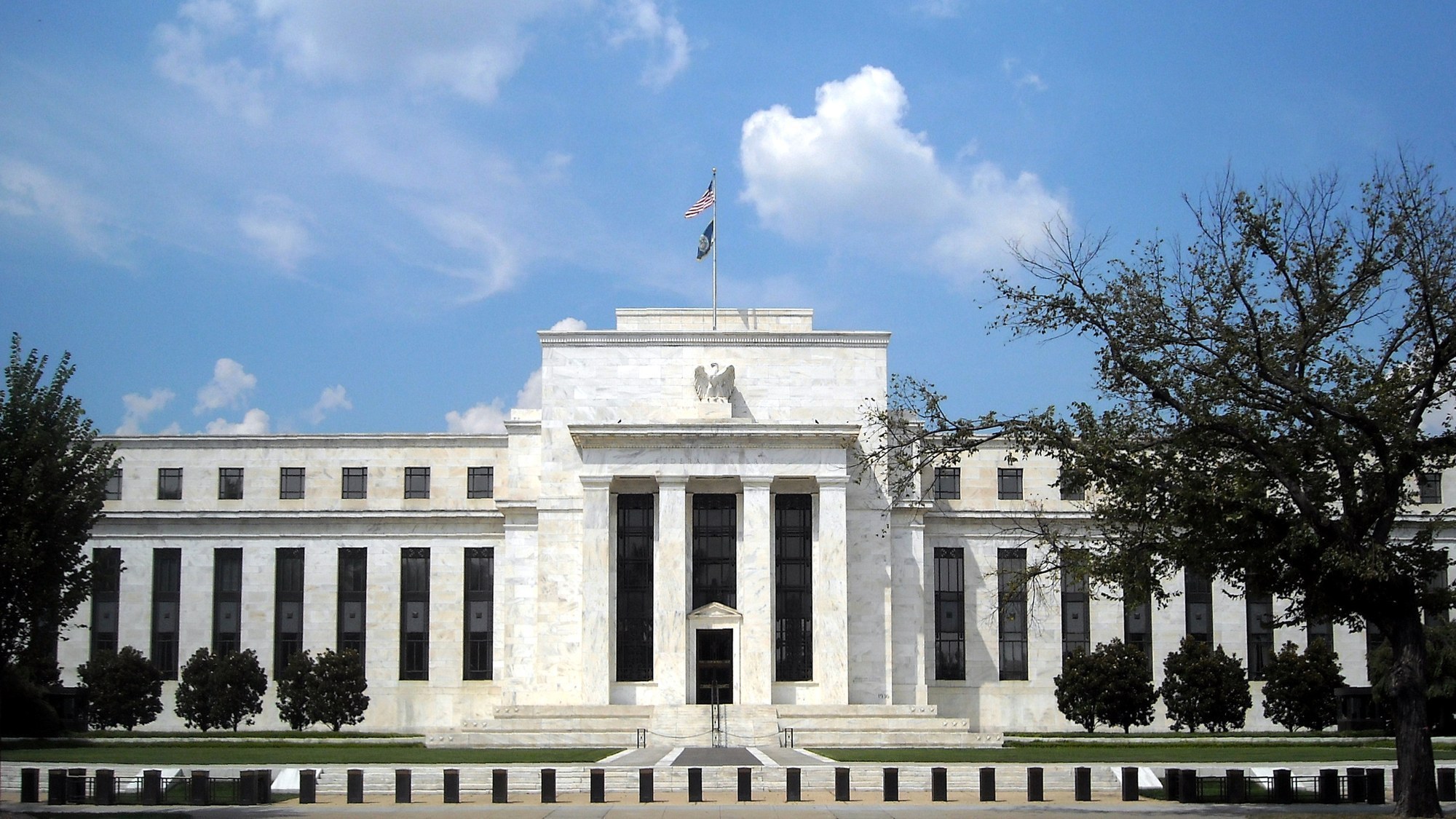
The Federal Reserve and the Federal Deposit Insurance Corporation said they found no shortcomings or deficiencies in the resolution plans, known as living wills, that 15 large banking organizations submitted in October 2025. The agencies published feedback letters to each firm on September 29.
The joint release covers 15 banking organizations with more than $250 billion in assets. It says the agencies “did not identify any shortcomings or deficiencies in these resolution plan submissions.” Among the firms are American Express, Barclays, BNP Paribas, Deutsche Bank and UBS.
What a living will is
A resolution plan is a document a large bank files to show how it could be wound down in bankruptcy without causing wider damage to the financial system or requiring a taxpayer rescue. The Fed and the FDIC review the plans together. A finding of a shortcoming or deficiency would require the firm to fix the plan, so a letter with neither is a clean result.
The letters going to the 10 firms in the middle supervisory categories, Category II and III, follow a common template. That template letter states that the agencies did not identify any shortcomings or deficiencies in the company’s 2025 plan. It also sets the next filing: a targeted plan due by July 1, 2028.
For households, the question is what a clean review of banks’ emergency plans means for deposits and savings, and how much comfort it should give. A clean review concerns the bank’s ability to be unwound in an orderly way. It is not a new guarantee on any account, and deposit insurance limits are set separately.
The living-will review is one round in a continuing process, and The Retirement Money Brief will cover the regulators’ next resolution-plan decision in plain English when it happens.
Get the next update free → Free from RetireShield. Unsubscribe anytime.
BNP Paribas and an earlier shortcoming
BNP Paribas’ letter carries a prior finding. The agencies identified a shortcoming in the bank’s 2021 plan, and the BNP Paribas letter says the company has “satisfactorily addressed the shortcoming.” The letter also states that the agencies did not identify any shortcomings or deficiencies in the 2025 plan.
That history shows how the process works. A flagged problem stays on the record until the bank shows it has been fixed, and the regulators close it in a later review, as they did here.
For a customer of a large foreign bank’s U.S. operations, the letter is a useful data point. It says the regulators reviewed the plan for winding down the U.S. business and found it adequate under the rules, which is different from saying the bank is risk-free.
American Express and a note on feasibility
A clean finding does not mean the agencies expressed no reservations. In the American Express letter, the agencies found no shortcomings or deficiencies but noted that “there is significant uncertainty regarding the feasibility of the process outlined in the 2025 Plan.”
The distinction is formal. A deficiency is a weakness that would make the plan unable to help the firm fail in an orderly way, and the agencies did not make that finding. The comment on feasibility is a flag for the firm and the regulators to watch as plans are refreshed, not a failing grade.
The finding applies to the plans filed in October 2025 and reviewed by these two agencies. Other banking organizations are on different filing schedules, and the release does not speak to them. It also does not rate the current health of any bank. Living wills look at how a failure would be handled, not whether one is likely.
Checking where your deposits stand
A depositor can learn more from the bank’s own paperwork than from a living will. The deposit agreement and the most recent statement show the account type and the ownership category, and FDIC deposit insurance covers each depositor at an insured bank up to the standard limit for each ownership category. Anyone holding balances near that limit can add up what sits at one bank under the same ownership category.
The FDIC’s website lets anyone confirm whether a bank is insured and review its deposit-insurance guidance, and a branch or the bank’s customer-service line can explain how a particular account is titled. Keeping statements and account-title records in one place makes that comparison faster.
Anyone who wants the regulators’ exact wording can read the individual feedback letters on the Federal Reserve’s site. Each is short, names the company, states the finding and gives the date of the next required plan, which makes it easy to compare what the agencies said about one bank with what they said about another.
The Federal Reserve’s September 29 release, and the individual letters it links, are the source for the 15 firms and for the finding of no shortcomings or deficiencies.
More Financial Reading
- How many CDs can you park at 1 bank? FDIC rules you must know
- Adding someone to your bank account: tax traps and smart moves
- Bank statements: how long to keep them and when to toss them
This article was produced with AI assistance and reviewed by The Financial Wire’s editorial team.