Unwanted sales calls remain one of the most common ways fraud reaches older Americans, and the simplest first line of defense costs nothing. The National Do Not Call Registry, run by the Federal Trade Commission, lets any consumer add a home or cell number to a list that legitimate telemarketers are legally required to honor. It does not silence every ring, but it thins out the lawful sales traffic enough that the calls still getting through become far easier to judge.
How the National Do Not Call Registry Works
The registry is a government-maintained list of numbers that telemarketers are barred from calling. Companies that make sales calls must subscribe to the list, download the registered numbers for the area codes they dial, and scrub those numbers from their campaigns unless a narrow exemption applies. Registration is free at DoNotCall.gov, and it never expires; the FTC removes a number only if it is disconnected and reassigned, or if the owner asks to take it off.
A newly registered number typically appears on the list the next day, but the FTC notes that it can take up to 31 days for sales calls to taper off, because telemarketers refresh their lists on a rolling schedule. The registry now holds more than 221 million numbers, and it covers both live sales calls and sales robocalls from companies that follow the rules.
Free retirement updates: Rules on Social Security, Medicare, and consumer protections change every year, and nobody mails a memo when they do. Get the free Retirement Shield newsletter and see what changed, in plain English.
Why the List Quietly Flags the Scammers
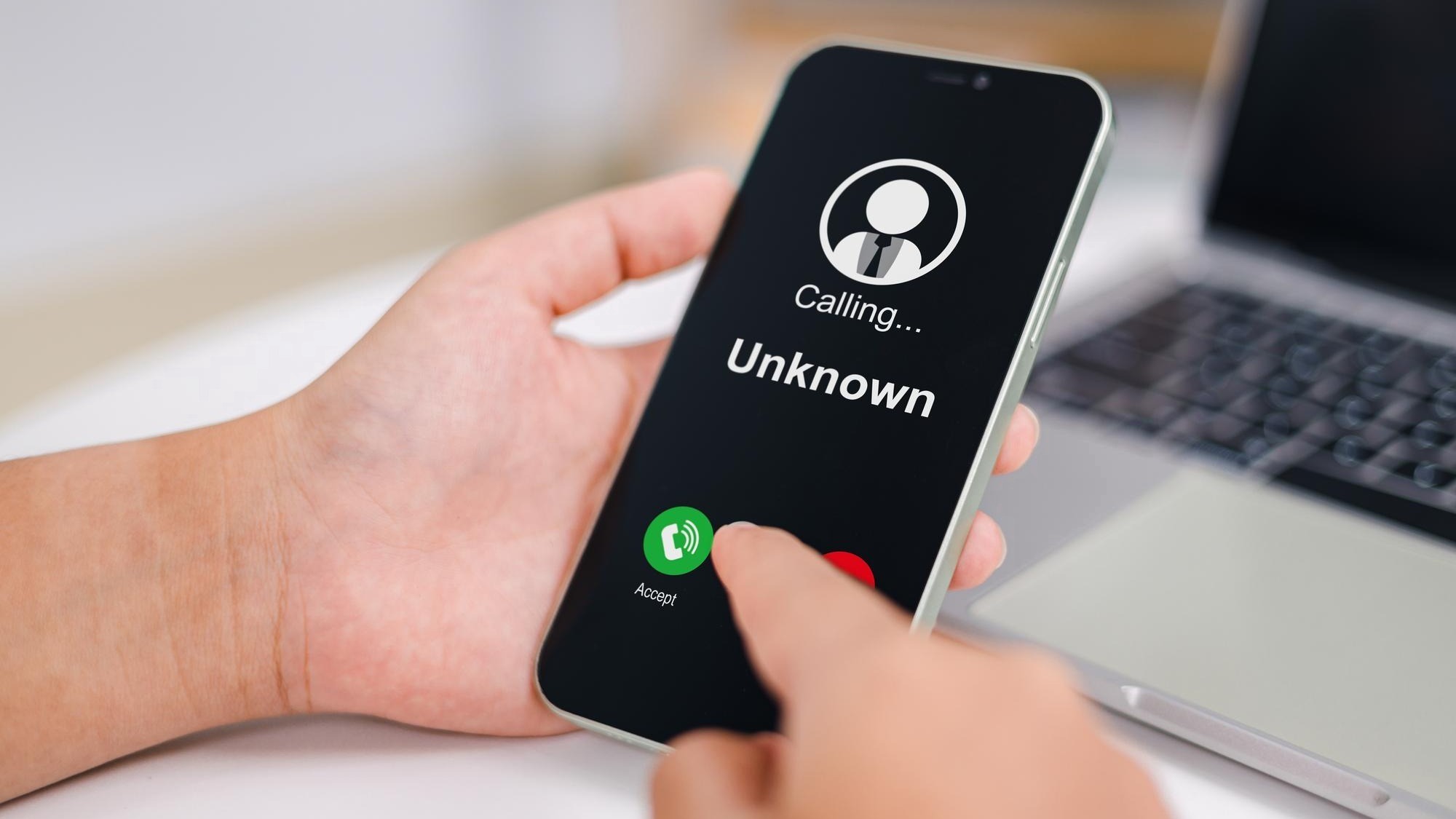
The registry is not a call blocker. It is a legal obligation placed on law-abiding businesses, which is exactly why it doubles as a screening tool. Criminals running phone scams already ignore the law, so they were never going to check the list in the first place. That turns a stubbornly ringing phone into useful information: once a number has sat on the registry for a month, a persistent sales pitch, a recorded offer, or a stranger demanding payment is a strong sign the caller is operating illegally.
The FTC’s consumer guidance makes the point directly, warning that a call ignoring the registry is likely a scam and should be treated with suspicion. The financial stakes are real. Older adults report some of the largest losses to phone-based fraud, from fake Social Security and Medicare threats to bogus tech-support and grandparent schemes, and many of those calls arrive dressed up as ordinary telemarketing. Cutting the volume of legitimate sales calls makes the illegal ones stand out instead of blending into the noise.
What Enforcement Backs the Registry
The registry has teeth because the rules behind it carry real penalties. Telemarketers that dial numbers on the list, or that fail to scrub it on schedule, can face substantial per-call civil penalties, and regulators have brought enforcement actions running into the millions of dollars against companies and robocall operations that ignored the rules. Those cases are assembled in part from consumer complaints, which is why reporting a violating call is not a dead end.
Enforcement has limits, though, and they explain the gap between the rules and the ringing phone. Many of the worst offenders operate overseas or hide behind spoofed numbers and shell companies that are hard to trace and harder to collect from, so a penalty on paper does not always translate into a call that stops. The registry disciplines the legitimate marketers who can be found and fined, which is exactly the group whose calls it is built to remove, leaving the remaining traffic easier to write off as suspect.
Where the List Stops and Other Tools Begin
Registration has limits worth understanding so it is not mistaken for total protection. Political calls, calls from charities, telephone surveys, and purely informational messages fall outside the registry’s scope, as do calls from companies a person has recently done business with. The registry also does nothing to stop the spoofed and overseas robocalls that dominate modern scam traffic, since those operators are already breaking the law.
That is why the registry works best paired with the call-blocking and label tools most carriers now offer, many at no charge, and with a firm habit of letting unknown numbers go to voicemail. The FTC’s Do Not Call resources lay out how the program is enforced and how consumers can escalate the calls that keep coming. Households that report violations help build the enforcement cases the agency brings against illegal telemarketers.
Signing Up and Reporting the Calls That Keep Coming
Adding a number takes a couple of minutes. A consumer can register online or call 1-888-382-1222 from the phone being signed up. There is no fee at any step, and any request for payment to join or stay on the registry is itself a scam, since the list is a government service. A separate registration is needed for each phone line a household wants covered.
When an illegal call still lands, reporting it matters. Complaints filed at reportfraud.ftc.gov feed the data investigators use to trace repeat offenders and shut down the operations behind mass-dialing fraud. For an older saver, the payoff is twofold: fewer interruptions from lawful marketers, and a sharper instinct for the calls that are trying to pry loose a Social Security number, a bank account, or a check.
This article was researched and drafted with the assistance of AI and reviewed by The Financial Wire editorial team.
More Financial Reading
- Adding someone to your bank account: tax traps and smart moves
- The ideal retirement withdrawal rate so your savings actually last