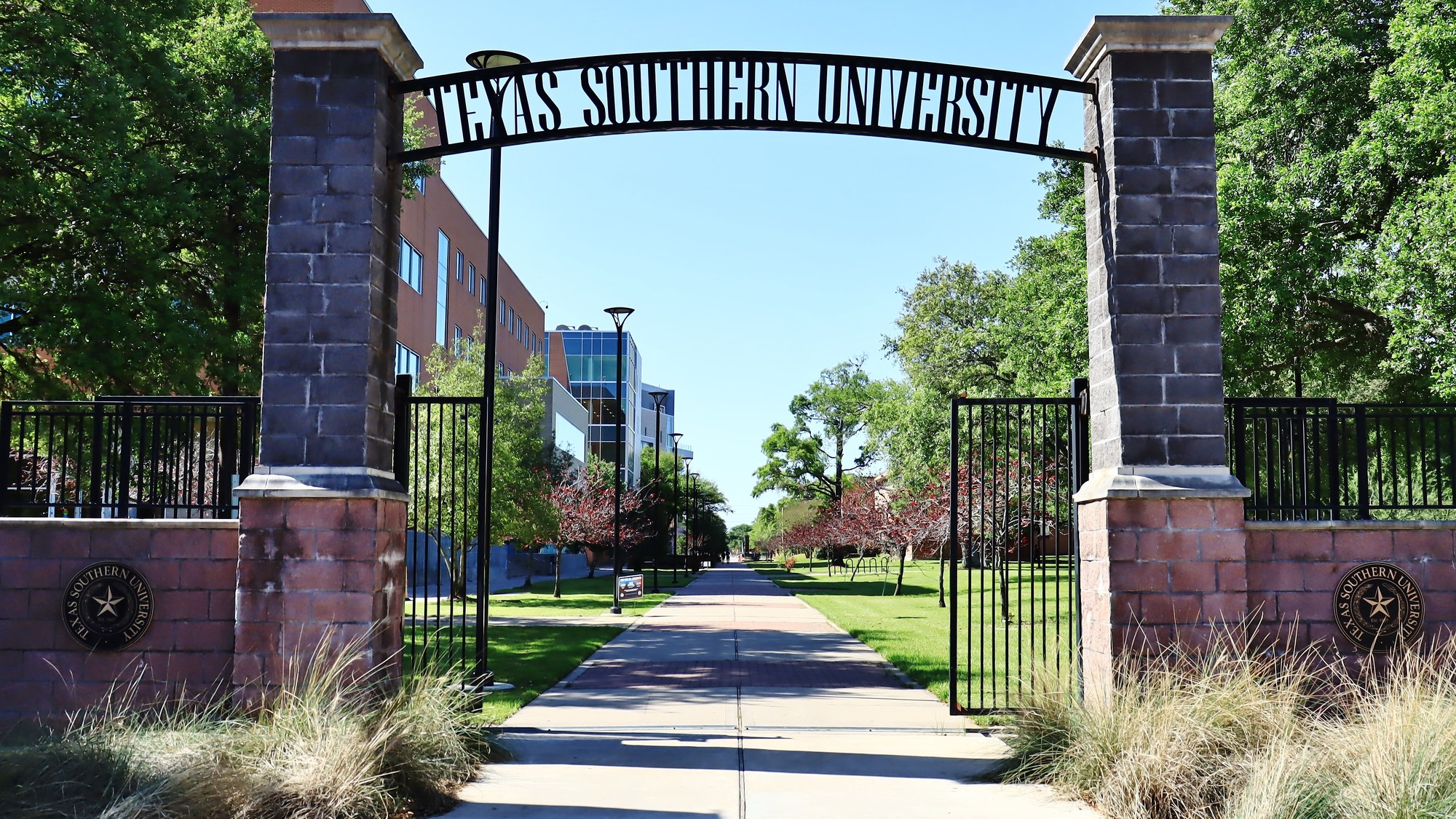
Emmanuel Olugbaike Finnih, a former adjunct professor at Texas Southern University, was sentenced on Oct. 2, 2026 to 78 months in federal prison for filing more than 100 fraudulent federal student aid applications. He sought over $1.3 million in grants and loans, and $921,189.08 was disbursed, the U.S. Attorney’s Office for the Southern District of Texas said.
Affiliate links — we may earn a commission.
Finnih, 43, of Richmond, Texas, built the applications over about five years using other people’s identities, according to the release. U.S. District Judge Andrew Hanen also ordered three years of supervised release. Finnih remains on bond and will surrender to a Bureau of Prisons facility that has not yet been chosen.
The people at the center of the case are the ones whose names were used. Finnih admitted repeatedly using the personal information of two victims over several years, and the release says some victims were left with tens of thousands of dollars in student loans in their names, which damaged their credit and hindered legitimate school enrollment. Anyone whose name, birth date and Social Security number could be used this way has a reason to look at their federal student loan record and credit file, and to know what information about them is circulating.
The release does not say where Finnih got the identities he used. Names, birth dates and Social Security numbers were the raw material, and Incogni sends removal requests to data brokers and people-search sites on a customer’s behalf and keeps re-sending them.
How the applications were built
Finnih submitted the applications to the U.S. Department of Education in the names of “straw students” at Texas colleges and universities. He used other people’s personal information to prepare, submit and sign the applications and the master promissory notes that commit a borrower to repay a federal loan.
He also controlled where the paper and the money went. He set up the mailing addresses, phone numbers and email accounts that received messages from the Department and the schools, and he had aid refunds sent by electronic transfer, check or prepaid debit card to addresses or bank accounts he controlled. Prosecutors said he used false transcripts, UPS boxes and bank accounts, and he possessed false identity documents, including temporary driver permits and ID cards.
In some cases he changed the names of female straw students to masculine versions while using their correct Social Security numbers and dates of birth. In at least one instance he called a local community college to try to unfreeze aid payments after the school flagged fraudulent transcripts tied to one straw student.
Charges, plea and sentence
Finnih pleaded guilty on March 20 to theft of government funds, fraud, unlawful use or transfer of identity documents and aggravated identity theft. At the plea stage, an earlier release from the same office described more than 100 false applications for financial aid and put the loss at at least $600,000, a figure the sentencing release raised to the $921,189.08 actually disbursed.
The timeline runs long. The applications spanned about five years, the guilty plea came on March 20, and Judge Hanen imposed the sentence on Oct. 2, roughly six and a half months later. The four counts are named for different parts of the conduct: the theft of government funds, the false documents, the fraud itself and the use of real people’s identities.
The gap between the two sums is worth keeping straight. The $1.3 million is what Finnih sought. The $921,189.08 is what the Education Department paid out. The release does not mention restitution, so it does not say who will be repaid or how much.
The Department of Education’s Office of Inspector General led the investigation, assisted by the Lone Star College Police Department, the U.S. Marshals Service and the U.S. Postal Inspection Service. Assistant U.S. Attorney Brad R. Gray prosecuted the case.
U.S. Attorney Aaron Reitz said that scammers like Finnih make higher education “more expensive, and financially damaging for everyone.” Scott Wingle, the acting special agent in charge of the Education OIG’s Central Regional Office, said the agency will “aggressively pursue” people who misappropriate education funds.
Checking a federal student aid record for loans never taken
The Education Department’s federal student aid site, studentaid.gov, is the free official place to start for anyone who thinks a federal loan exists in their name. A person who finds a loan or aid record they did not apply for can report the identity theft to the Federal Trade Commission at IdentityTheft.gov, which describes itself as a source of step-by-step recovery guidance.
Gather the loan servicer’s name, the dates on any notices and a current credit report before making calls. A letter about a loan the person never took out, a credit report line for a school never attended, or a refund check addressed to the wrong name are the kinds of paper trails this case produced.
The prosecutors’ own numbers frame the loss: more than 100 fraudulent applications, over $1.3 million sought, $921,189.08 disbursed and a 78-month sentence handed down by Judge Hanen on Oct. 2.
Straw students began as names, birth dates and Social Security numbers
Some of the people whose identities Finnih used were left with tens of thousands of dollars in loans they never took out, and the cost showed up as damaged credit and a harder path back into school. Incogni asks data brokers and people-search sites to remove a customer’s personal information, sends the removal requests on that customer’s behalf and keeps re-sending them. Less personal data on broker lists can mean fewer scam calls, texts and emails.
Have Incogni send removal requests to the brokers listing your name and birth date →
This article was produced with AI assistance and reviewed by The Financial Wire’s editorial team.