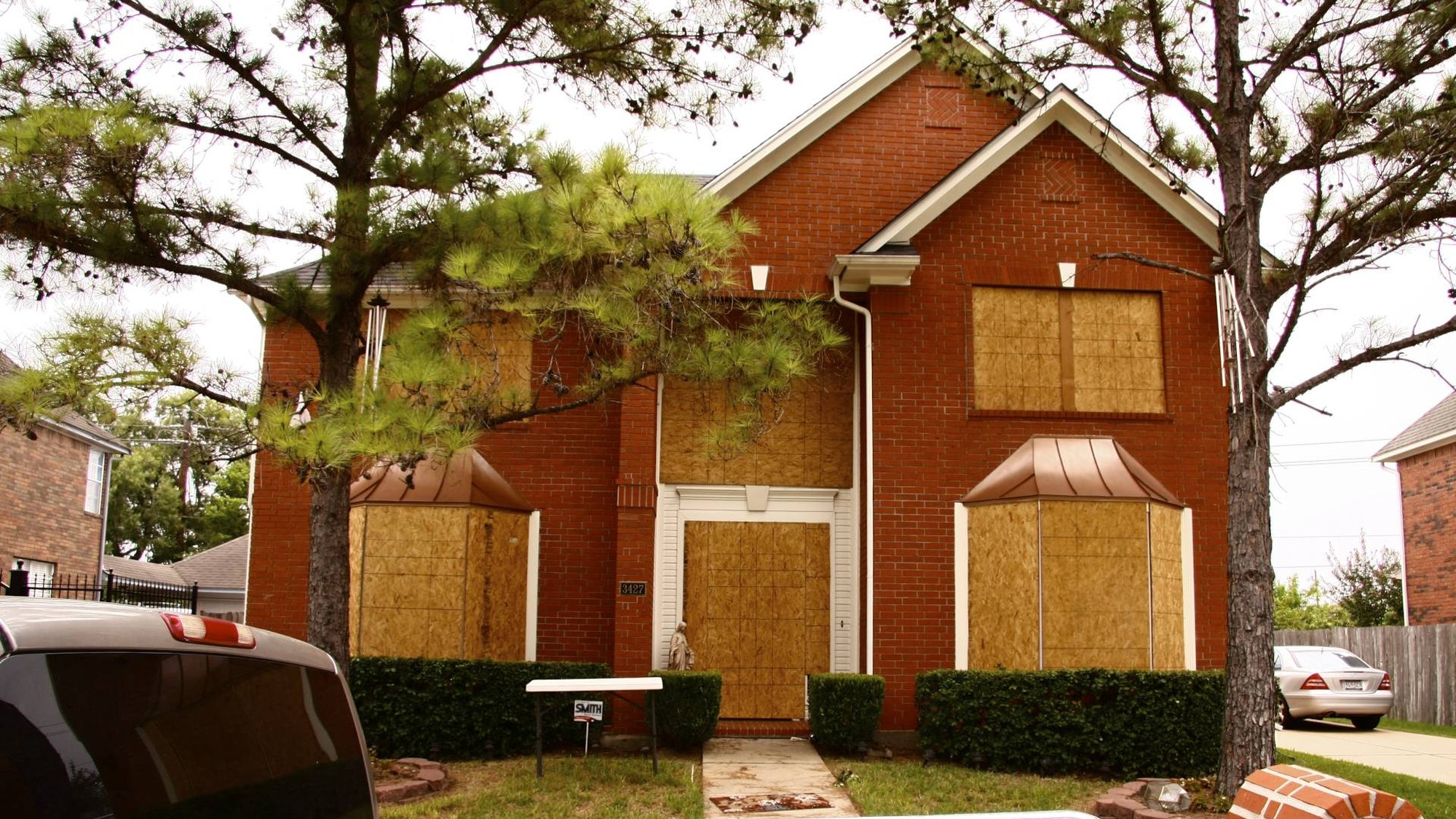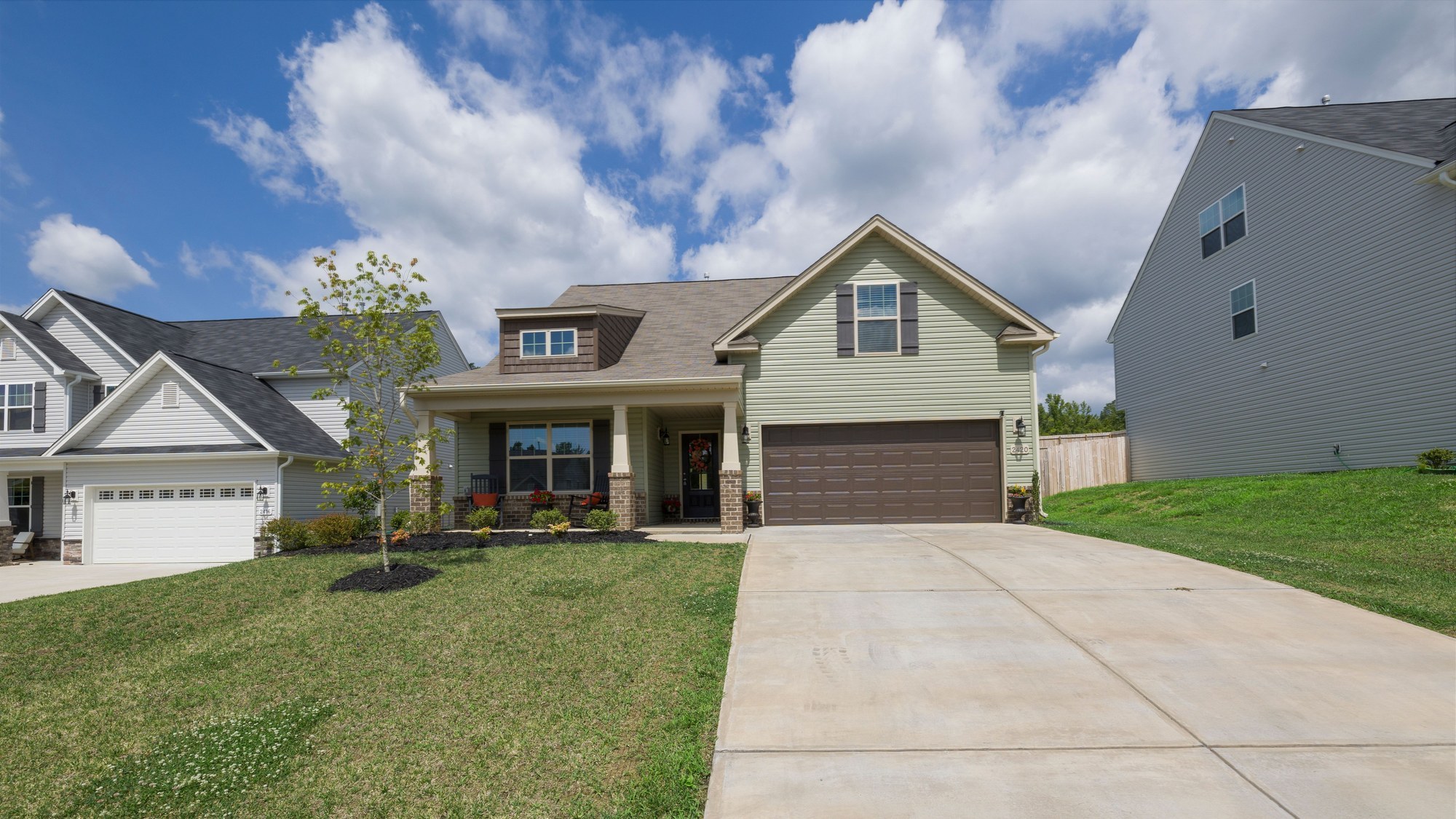
Homeowners insurance is meant to make a family whole after a fire, storm, or other disaster, but the type of coverage on the policy decides how close to whole they actually get. A single phrase buried in the paperwork, actual cash value, can mean the difference between a check that rebuilds the house and one that leaves the owner tens of thousands of dollars short. For retirees who have paid off a home and count it as their largest asset, that gap can be devastating at exactly the wrong moment.
What “Actual Cash Value” Really Subtracts
Actual cash value coverage pays what damaged property is worth today, which means the insurer starts with the cost to replace it and then subtracts depreciation for age and wear. A twenty-year-old roof, an aging furnace, or a decade-old kitchen is not valued at what a new one costs; it is valued at what the used version was worth on the day it was destroyed. The National Association of Insurance Commissioners spells out this distinction in its explainer on the difference between actual cash value and replacement cost coverage.
Replacement cost coverage works differently. It pays what it takes to rebuild or replace the property with materials of like kind and quality, without deducting for depreciation. The practical result is that two homeowners with identical houses and identical losses can receive wildly different checks, purely because one policy pays actual cash value and the other pays replacement cost. The depreciation subtracted from an older home can easily swing the settlement by a large share of the rebuilding bill.
Free retirement updates: Insurance renewals and coverage reviews are easy to let slide until it is too late. Retirees can stay ahead of the deadlines and money decisions that matter, free, through the Retirement Shield newsletter.
How the Gap Shows Up After a Disaster
The shortfall is rarely obvious until a claim is filed. A retiree whose home is destroyed by a fire may assume the policy will simply pay to rebuild, only to find the settlement reflects decades of depreciation on the structure and its contents. Rebuilding a house at current construction prices, which have climbed steeply in recent years, can cost far more than the depreciated value the insurer calculates. The homeowner is left to cover the difference out of savings, or to rebuild something smaller than what they lost.
The NAIC’s guidance for homeowners recovering from a catastrophe, including its advice on the difference between replacement cost and actual cash value when rebuilding, stresses that policyholders should understand which type of coverage they carry before they ever need it. Personal belongings compound the problem: furniture, appliances, and clothing all depreciate quickly, so an actual cash value policy often pays only a fraction of what replacing them new would cost.
Checking the Policy Before a Claim Is Ever Needed
The way to avoid the surprise is to read the declarations page and confirm how the dwelling and personal property are covered. The policy will state whether losses are settled on an actual cash value or replacement cost basis, and the two can differ for the structure and the contents within the same policy. A homeowner who finds actual cash value language can ask the insurer or agent what it would cost to upgrade to replacement cost coverage, which usually carries a somewhat higher premium in exchange for a far larger payout after a loss.
It is also worth confirming that the dwelling coverage limit reflects the current cost to rebuild, not the market value or the original purchase price. The NAIC’s consumer insurance resources encourage homeowners to review coverage limits periodically, because construction costs rise and a policy written years ago may no longer cover a full rebuild even under replacement cost terms. An annual check-in with the agent keeps the coverage aligned with what a rebuild would actually run.
Why the Distinction Matters Most in Retirement
For a working household, a coverage shortfall is painful but sometimes survivable through future earnings. For a retiree living on a fixed income, there is no paycheck to close the gap, and the home often represents the bulk of the family’s wealth. A policy that pays actual cash value can leave an older owner unable to rebuild and facing the loss of both the house and the equity tied up in it.
Some insurers also offer an extended or guaranteed replacement cost option that pays a set percentage above the dwelling limit, a useful cushion when a widespread disaster drives up local labor and material prices all at once. Asking about that add-on during a coverage review can protect against the exact scenario in which many homeowners find themselves underinsured, when everyone in a storm-struck area is rebuilding at the same time.
The fix costs far less than the risk it removes. Confirming replacement cost coverage on the dwelling, and ideally on personal property as well, ensures that a disaster does not turn into a permanent financial setback. Reviewing that single line in the policy, well before any storm or fire, is one of the least expensive protections a homeowner can put in place, and one of the most consequential when it is finally needed.
This article was researched and drafted with the assistance of AI and reviewed by The Financial Wire editorial team.
More Financial Reading
- Adding someone to your bank account: tax traps and smart moves
- What really happens to your joint savings account when you die?