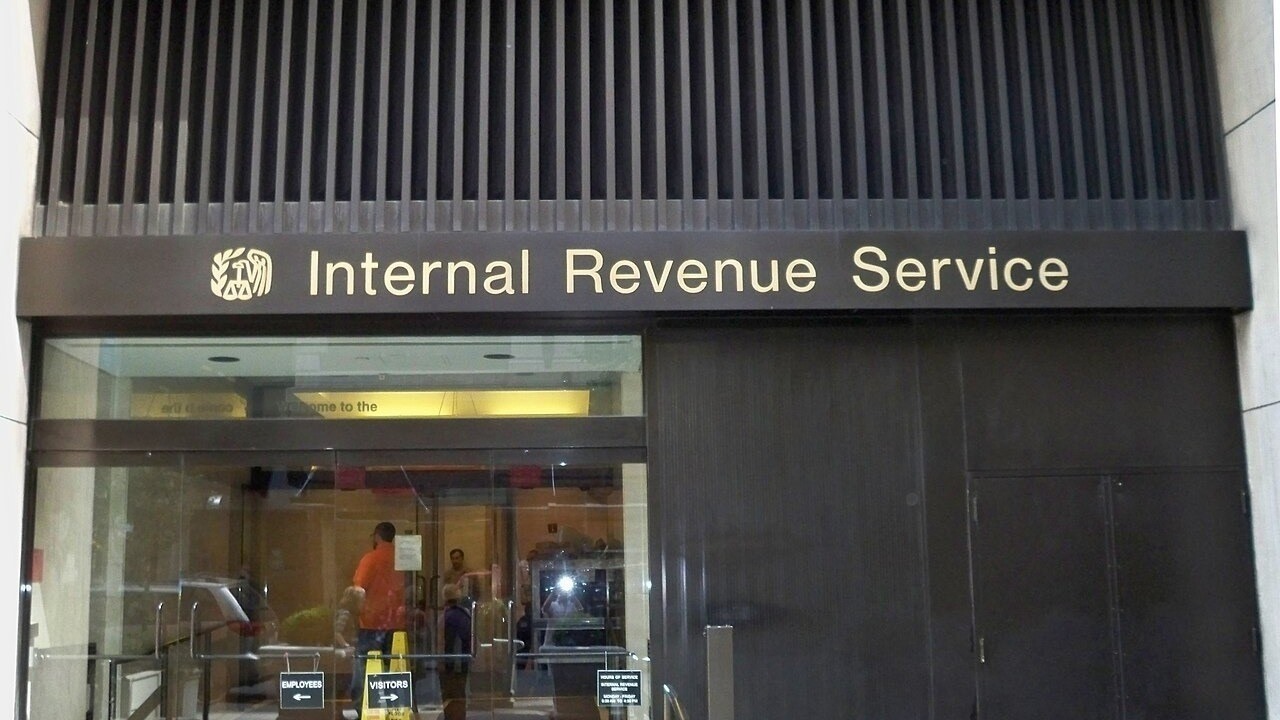
The 2025 tax law promised “no tax on overtime,” and many workers assumed the whole overtime check would escape federal income tax. The Internal Revenue Service has since made clear that the deduction is far narrower. It reaches only the premium portion of overtime pay, not the base wage inside the check, and it comes with a dollar cap and an income limit that shut it off for higher earners.
Only the Premium Half Qualifies
Under the One Big Beautiful Bill Act, the deduction applies to what the law calls qualified overtime compensation. As the Internal Revenue Service spells out, that means only the extra amount paid above a worker’s regular hourly rate, the “half” in time-and-a-half required by the Fair Labor Standards Act. A worker earning $20 an hour who is paid $30 for overtime can deduct the $10 premium, not the full $30. The base portion of the wage remains fully taxable.
That distinction changes the math for anyone who expected the entire overtime line on a pay stub to be tax-free. Only the additional half-time pay counts, which for most hourly employees is a fraction of the overtime dollars they actually receive.
Free retirement updates: Social Security and Medicare change every year, and nobody sends you a memo. Our free Retirement Shield newsletter breaks down what changed and what to do. Get it free in your inbox.
The $12,500 Cap and the Income Phase-Out
Even the premium portion is limited. The Working Families Tax Cuts guidance sets the maximum deduction at $12,500 for a single filer and $25,000 for a married couple filing jointly. Above $150,000 of modified adjusted gross income for a single filer, or $300,000 for a couple, the deduction begins to shrink and eventually reaches zero for the highest earners. The reduction is gradual rather than a cliff, falling by $100 for every $1,000 of income over the threshold, so a single worker with $170,000 in modified adjusted gross income loses $2,000 of the cap and can claim no more than $10,500. The break is also above the line, meaning it is available whether or not a taxpayer itemizes.
Reaching the full $12,500 also takes a large volume of overtime. Because only the premium half counts, a worker paid time-and-a-half at a $20 base rate earns $10 of qualified premium per overtime hour and would need 1,250 such hours in a year to hit the cap. For most hourly employees the deductible amount lands well below the ceiling, which makes the cap a limit that binds mainly on those who work heavy overtime schedules.
Payroll Taxes Still Apply
The deduction affects federal income tax only. Social Security and Medicare payroll taxes continue to be withheld on overtime pay in full, including the premium portion, so the “no tax” label was always incomplete. A worker who counts on the deduction to boost take-home pay during the year will still see the same payroll-tax withholding on every overtime hour. State income tax can also still apply, since a state that has not adopted a matching exemption continues to tax overtime under its own rules regardless of the federal deduction.
Claiming It on the 2025 Return
The deduction runs on the new Schedule 1-A attached to Form 1040. The form instructions describe how workers report qualified overtime along with the related tip and car-loan-interest deductions created by the same law. Because the benefit is claimed at filing rather than through smaller paycheck withholding, the value arrives as a refund or a lower balance due, not as a bigger check during the year.
The figure a worker enters is not left to guesswork. The agency’s overtime guidance ties the deduction to the qualified overtime an employer reports, so the premium amount should trace back to payroll records rather than an estimate off a pay stub. Claiming the deduction also requires a Social Security number on the return, and a married worker generally must file jointly to take it. Workers whose employers have not separately identified the premium portion may need corrected or supplemental statements before the amount can be substantiated.
A Four-Year Window for Hourly Workers
The provision covers tax years 2025 through 2028 and then expires unless Congress extends it. For older Americans who still work part-time or seasonal hours to supplement Social Security, the practical takeaway is that the deduction can trim a tax bill modestly, but only on the half-time premium and only up to the cap. The overtime must also be the kind the Fair Labor Standards Act requires, so premium pay owed only under a union contract or a state law that goes beyond the federal standard does not automatically qualify. Records that separate the regular rate from the overtime premium are what determine how much of the break a worker can actually claim.
This article was produced with AI assistance and reviewed by The Financial Wire editorial team.
More Financial Reading
- What really happens to your joint savings account when you die?
- Bank statements: how long to keep them and when to toss them