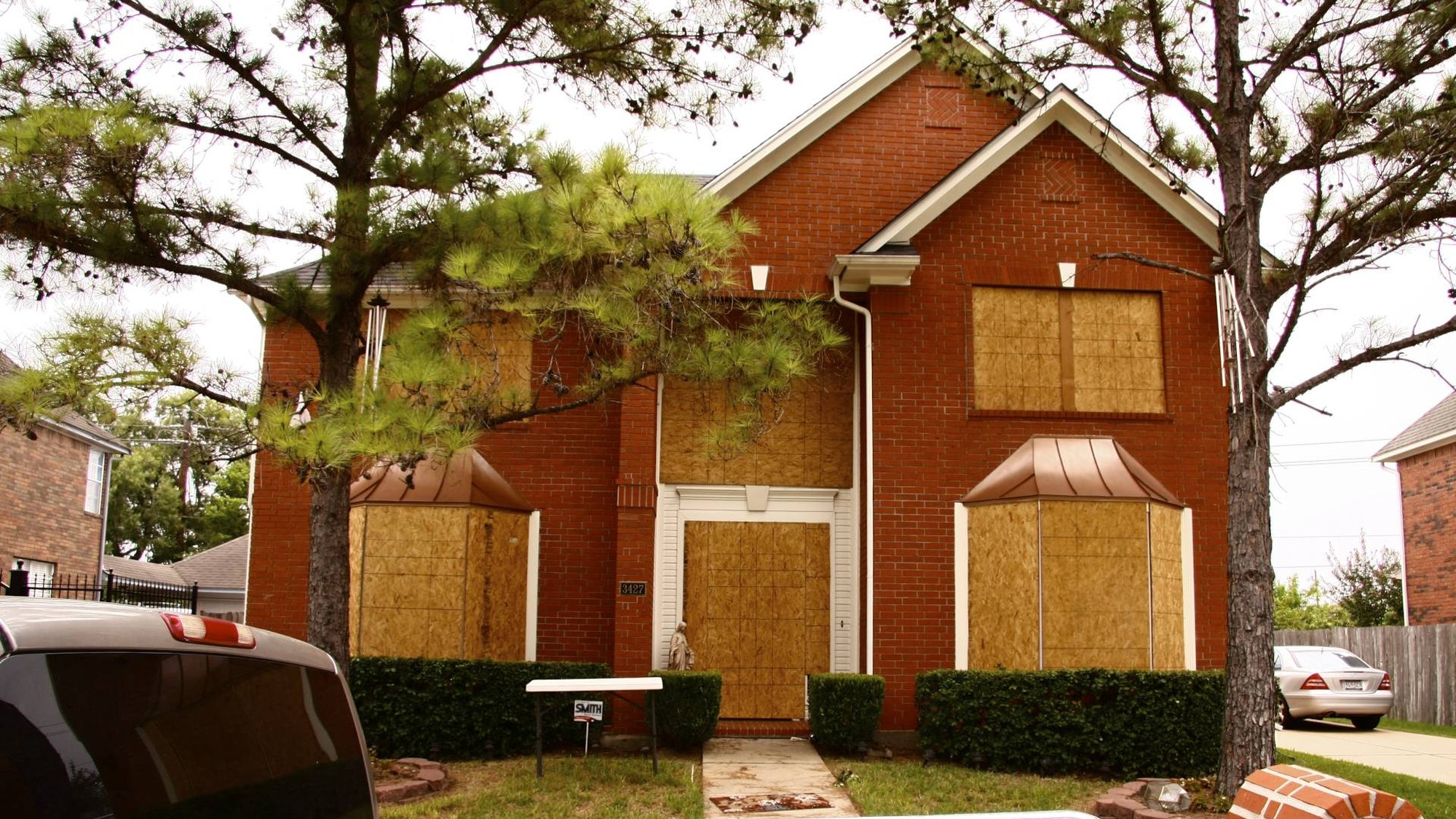
A reverse mortgage lets an older homeowner turn part of their home equity into cash without a monthly payment, but the loan does not simply vanish when the borrower passes away. The moment the last surviving borrower dies, the balance comes due, and the family members who inherit the house step into a countdown most of them never expected. Knowing how that clock works is the difference between keeping a paid-for family home and handing the keys to a lender.
Why a Home Equity Conversion Mortgage becomes due and payable at death
The most common reverse mortgage is the federally insured Home Equity Conversion Mortgage, or HECM, backed by the Federal Housing Administration. These loans are structured so that repayment is deferred as long as at least one borrower lives in the home as a principal residence. Once the last borrower dies or permanently leaves, that condition ends and the loan reaches what lenders call “due and payable” status.
According to the Consumer Financial Protection Bureau, the loan servicer sends a due-and-payable notice to the estate once it learns of the death. The total owed typically includes the money the borrower drew, plus accrued interest and fees, which can add up to a substantial figure after years of compounding. Heirs cannot ignore the notice and hope the matter resolves itself, because the balance keeps growing and the servicer is entitled to begin foreclosure if no one responds.
Free retirement updates: Keep more of your Social Security and savings with plain-English updates on the changes, deadlines, and costly mistakes retirees miss. Subscribe free.
The roughly six-month window heirs get to act
Heirs are not left without time. After the due-and-payable notice arrives, the estate generally has about six months to repay the loan, sell the home, or turn it over to the lender. The CFPB explains that heirs who need more time can request extensions in two 90-day increments, pushing the total window to as long as 12 months, provided they show the servicer they are actively working to sell the property or arrange financing.
That window is where families either preserve the home or lose it. An heir who wants to keep the house can pay off the balance, often by refinancing into a traditional mortgage or using other funds. An heir who prefers to sell can list the property, satisfy the loan from the proceeds, and keep any remaining equity. The one path that ends badly is inaction, because a servicer that receives no response and sees no repayment effort can move the property toward foreclosure once the deadlines pass.
Non-recourse protection means heirs never owe more than the home is worth
One feature works strongly in a family’s favor. HECMs are non-recourse loans, which means the debt is secured only by the house itself. If the loan balance has grown larger than the home’s market value, heirs are not personally responsible for the shortfall, and the lender cannot pursue other estate assets or the heirs’ own money to cover it. The FHA insurance that backs the program absorbs the difference.
Federal rules also give heirs who want to keep the home a meaningful discount in that situation. When the balance exceeds the property’s value, the family can satisfy the loan by paying 95 percent of the current appraised value rather than the full amount owed. That provision, part of the Department of Housing and Urban Development’s HECM framework, exists precisely so a home that has slipped underwater does not automatically slip out of the family.
The practical steps that decide the outcome
The first move for any heir is to contact the loan servicer promptly, confirm the exact payoff amount, and ask for the current due dates in writing. The estate will usually need to order an appraisal, since both the sale price and the 95 percent buyout figure hinge on the home’s verified market value. Heirs weighing whether to keep the property should line up financing early, because arranging a new mortgage inside a six-month window leaves little room for delay.
Families that plan ahead fare better than those caught by surprise. A homeowner who takes out a reverse mortgage can spare heirs later confusion by keeping the loan documents accessible and telling the people who will inherit the home how the product works. Estate planning attorneys and HUD-approved housing counselors can walk survivors through the choices before the clock forces a decision. The reverse mortgage is not a trap, but it is a loan with a firm settlement deadline, and the estates that treat the due-and-payable notice as urgent are the ones that keep control of what happens to the home.
This article was produced with AI assistance and reviewed by The Financial Wire editorial team.
More Financial Reading
- Bank statements: how long to keep them and when to toss them
- What really happens to your joint savings account when you die?