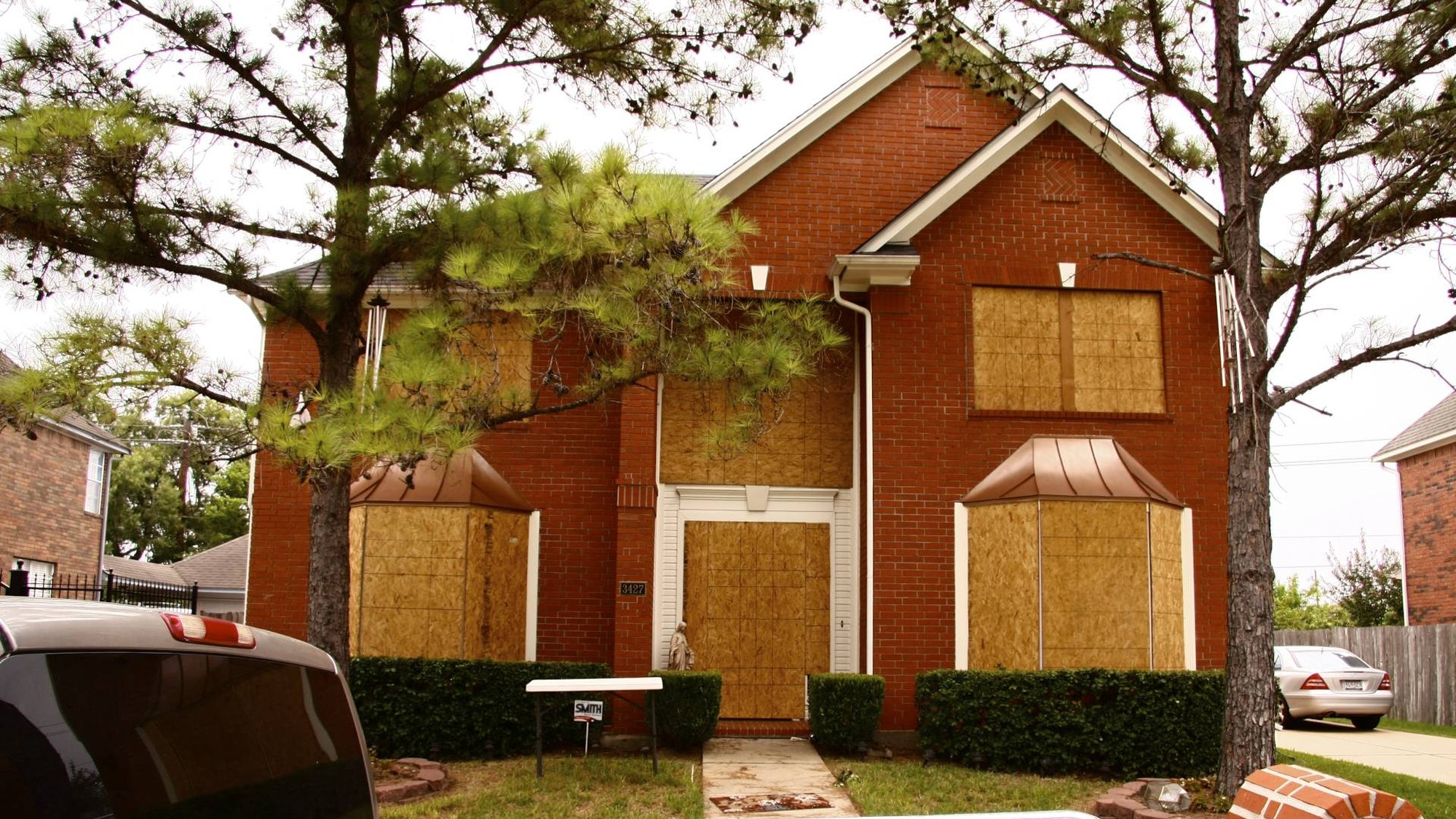
For most retirees, the paid-off or nearly paid-off house is the single largest asset they own, which makes it the biggest target when a lawsuit judgment or an unpayable debt lands. A homestead exemption is the legal shield that can keep some or all of that equity out of a creditor’s reach. It is one of the most valuable protections in personal finance, and also one of the most misunderstood, because how much it actually saves depends heavily on where a person lives.
What a homestead exemption actually protects
A homestead exemption sets aside a defined amount of equity in a primary residence that unsecured creditors cannot force the owner to sell the home to satisfy. If a homeowner loses a lawsuit and a creditor wins a money judgment, or is drowning in credit card and medical debt, the exemption blocks that creditor from seizing the protected portion of the home’s value. In bankruptcy, the same idea lets a filer keep exempt equity while other debts are discharged.
The protection flows from a mix of state law and federal bankruptcy law. Under Section 522 of the U.S. Bankruptcy Code, a person filing for bankruptcy can claim either the federal exemptions or the exemptions of their state, depending on whether the state allows the choice, and the homestead exemption is the centerpiece of that calculation. Outside bankruptcy, each state’s own homestead statute governs how much a judgment creditor can touch.
Free retirement updates: Enrollment and claim windows come and go, and missing one can cost you real money. The free Retirement Shield newsletter keeps you ahead of the deadlines that matter. Sign up free.
Why the protection swings wildly from state to state
The word “part” in the protection is doing real work, because for most Americans a homestead exemption covers only a slice of home equity rather than the whole thing. A small group of states is far more generous. Florida, Texas, Kansas, and Iowa protect an unlimited dollar value of a primary residence from judgment creditors, meaning a homeowner there can hold hundreds of thousands or even millions in equity beyond an unsecured creditor’s reach, subject to acreage and other limits.
Most states cap the figure well below that. Some protect only a few thousand dollars of equity, and at least one, New Jersey, provides no dedicated homestead exemption against creditors at all. The federal homestead figure, available to filers in states that permit the federal set, adjusts periodically and sits at roughly $31,575 for cases filed in 2026. The practical lesson is that two retirees with identical homes and identical debts can face wildly different outcomes based solely on the state whose law applies.
The debts a homestead exemption cannot stop
A homestead exemption is powerful against unsecured claims, but it does nothing against debts secured by the home itself. A mortgage lender can still foreclose for missed payments, a home equity lender can enforce its lien, and a local government can pursue unpaid property taxes. Federal tax liens and, in many states, mechanic’s liens for unpaid work on the property also sit outside the shield.
That distinction matters because homeowners sometimes assume the exemption makes the house untouchable. It does not. The exemption stands between the home and a creditor who has no claim tied to the property, such as a credit card issuer, a hospital, or the winner of an unrelated lawsuit. Voluntary liens the owner signed, and government claims like taxes, are a separate category the exemption was never designed to defeat.
How the protection is claimed and preserved
Whether the exemption applies automatically or must be claimed depends on the state. Some states extend homestead protection by operation of law once a home is a primary residence, while others require the owner to record a homestead declaration with the county to lock it in. Because the protection generally attaches only to a principal residence, a second home, a rental, or a recently vacated house may not qualify.
Timing carries its own traps. Federal bankruptcy law limits how much homestead equity a filer can protect on a home acquired within roughly the previous three and a half years, a cap meant to stop debtors from dumping cash into a house on the eve of filing to hide it from creditors. The federal courts’ bankruptcy guidance spells out how exemptions interact with a filing, and the details reward planning done long before trouble arrives. For a retiree whose home is the anchor of an estate, confirming the state’s exemption amount, meeting any declaration requirement, and understanding which debts it will not cover are the steps that turn a vague sense of security into an actual legal shield.
This article was produced with AI assistance and reviewed by The Financial Wire editorial team.
More Financial Reading
- How many CDs can you park at 1 bank? FDIC rules you must know
- What really happens to your joint savings account when you die?