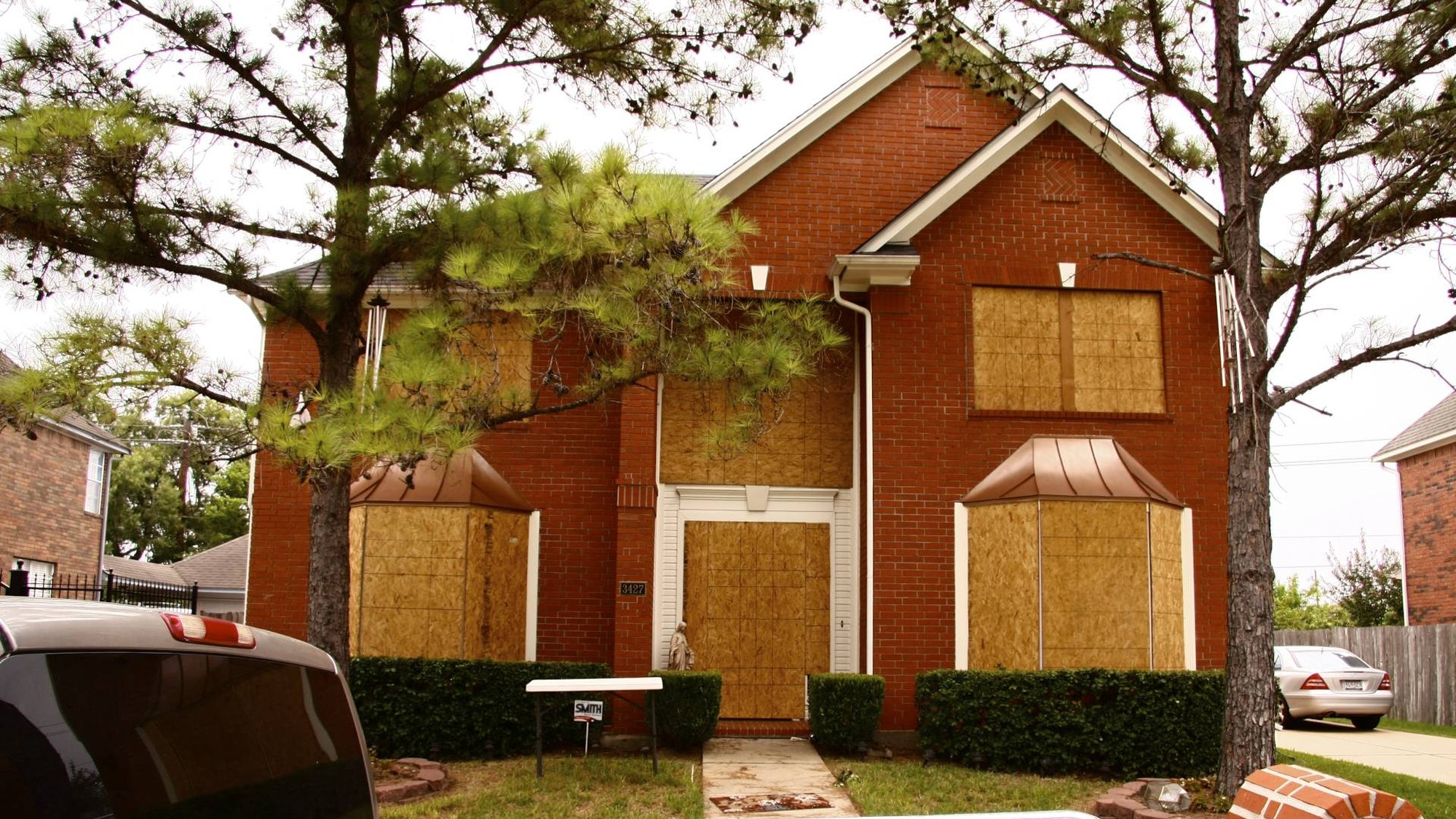
For decades, a handful of states let local governments do something that struck many homeowners as plainly unfair: seize a home over unpaid property taxes, sell it, and keep the entire proceeds, including any value far above the actual tax debt. A retiree who owed a few thousand dollars could lose a home worth hundreds of thousands and walk away with nothing. A 2023 Supreme Court decision ended that practice, establishing that the surplus belongs to the former owner, and the ruling remains the law across the country.
The Tyler v. Hennepin County ruling
The case arose when a 94-year-old Minneapolis condo owner fell behind on roughly $15,000 in property taxes, interest, and penalties. Hennepin County foreclosed, sold the condo for about $40,000, and kept all of it under a Minnesota law that let the government retain the full sale price. In Tyler v. Hennepin County, the Supreme Court unanimously held that keeping the roughly $25,000 in surplus beyond what was owed amounted to a taking of private property without just compensation, in violation of the Fifth Amendment.
The Court’s reasoning was direct: a government may collect what it is owed, including the taxes plus lawful interest and costs, but it cannot pocket the value beyond that debt. The taxpayer’s equity in the home, the difference between what the property is worth and what is owed, remains the taxpayer’s property. Once the tax bill is satisfied, any money left over from the sale must be returned.
Free retirement updates: Social Security and Medicare change every year, and nobody sends you a memo. Our free Retirement Shield newsletter breaks down what changed and what to do. Get it free in your inbox.
What “home equity theft” meant before the decision
The practice the ruling struck down was sometimes called home equity theft, and it had operated legally in more than a dozen states. In those jurisdictions, the government’s power to collect a delinquent tax bill had been stretched into a power to absorb an owner’s entire stake in the property. Consumer advocates documented cases in which modest tax debts led to the loss of substantial home equity, with older owners on fixed incomes among the most exposed because they were the likeliest to fall behind on a rising tax bill while sitting on a home that had appreciated for years.
The National Consumer Law Center, which tracked the issue closely, described the decision as one that stops equity theft in property-tax foreclosures. After the ruling, states that had allowed the government to keep surplus proceeds could no longer do so without providing a way for the former owner to claim the excess, and courts in other states have since applied the same principle to their own foreclosure systems.
How the surplus reaches the former owner
The practical effect is that when a home is sold to satisfy a tax debt, the money is meant to be applied to the taxes, interest, and allowable costs first, with the remainder owed back to the person who lost the property. The exact process varies by state, because each jurisdiction sets its own procedures for tax sales and for how a claim to the surplus is filed. Some states pay the surplus automatically; others require the former owner or their heirs to submit a claim within a defined window.
That variation is why the ruling protects the right to the surplus but does not eliminate the need to act. A former owner who is entitled to leftover proceeds may still have to file paperwork with the county or a court to collect it, and missing a state deadline to make that claim can forfeit money the Constitution says belongs to them. Heirs are in the same position when a tax foreclosure follows the death of an owner.
Why the ruling matters for retirees
The homeowners most affected by tax foreclosures tend to be those least able to absorb the loss: older residents living on fixed incomes in homes that represent most of their net worth. A property-tax delinquency can build quietly through illness, a death in the household, or simple confusion about a bill, and before the Tyler decision, that lapse could cost an owner the full value of the home. Now the loss is limited to the debt actually owed, with the surplus preserved as the owner’s property.
The protection is strongest for those who know it exists. A homeowner facing a tax foreclosure retains the equity above the debt, and confirming the state’s process for recovering surplus proceeds, ideally with help from a legal aid organization or attorney, is what turns that constitutional right into money actually returned. The ruling closed the door on governments keeping more than they are owed, but collecting what is left still depends on the former owner claiming it.
This article was produced with AI assistance and reviewed by The Financial Wire editorial team.
More Financial Reading
- Adding someone to your bank account: tax traps and smart moves
- The ideal retirement withdrawal rate so your savings actually last