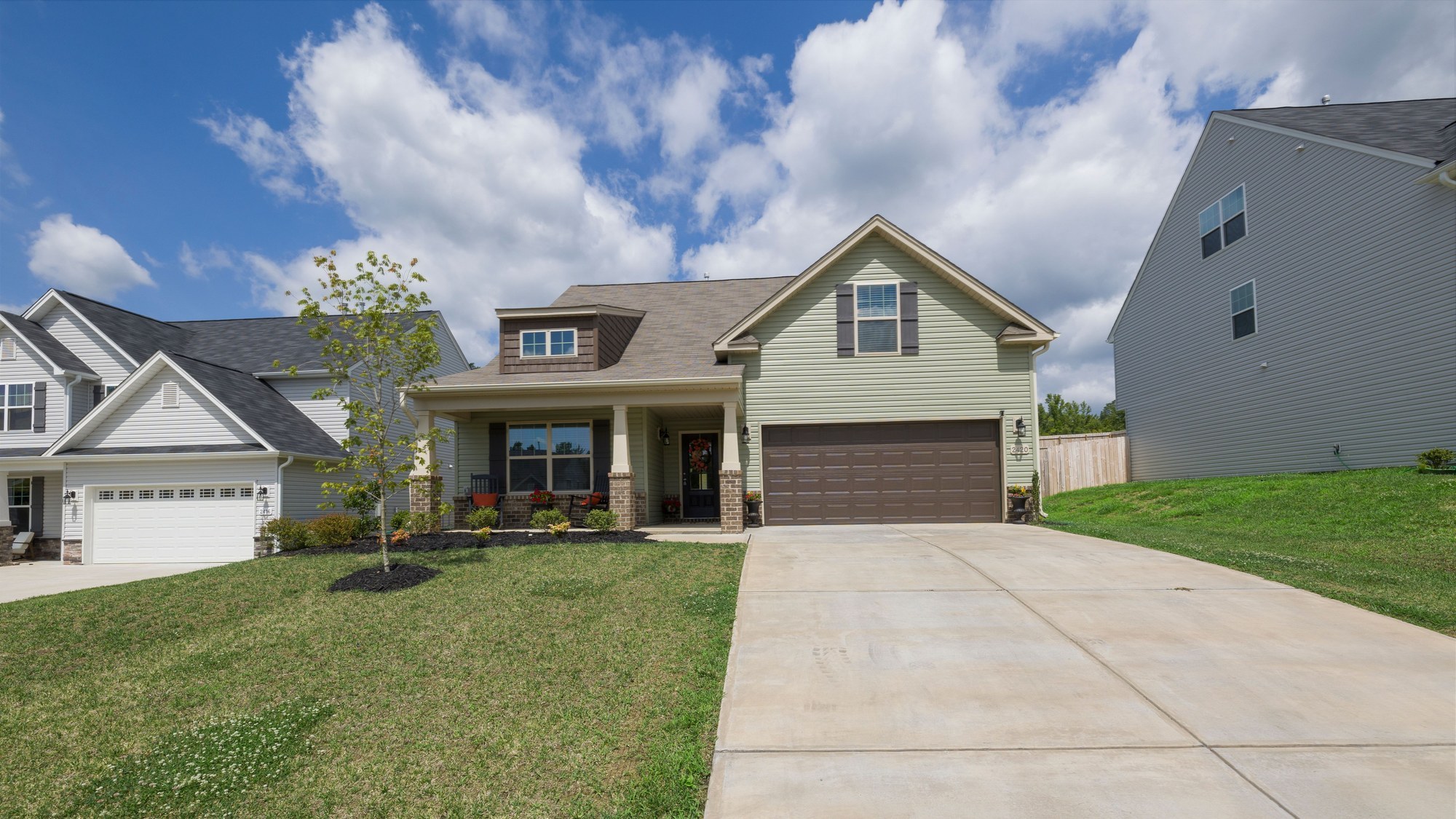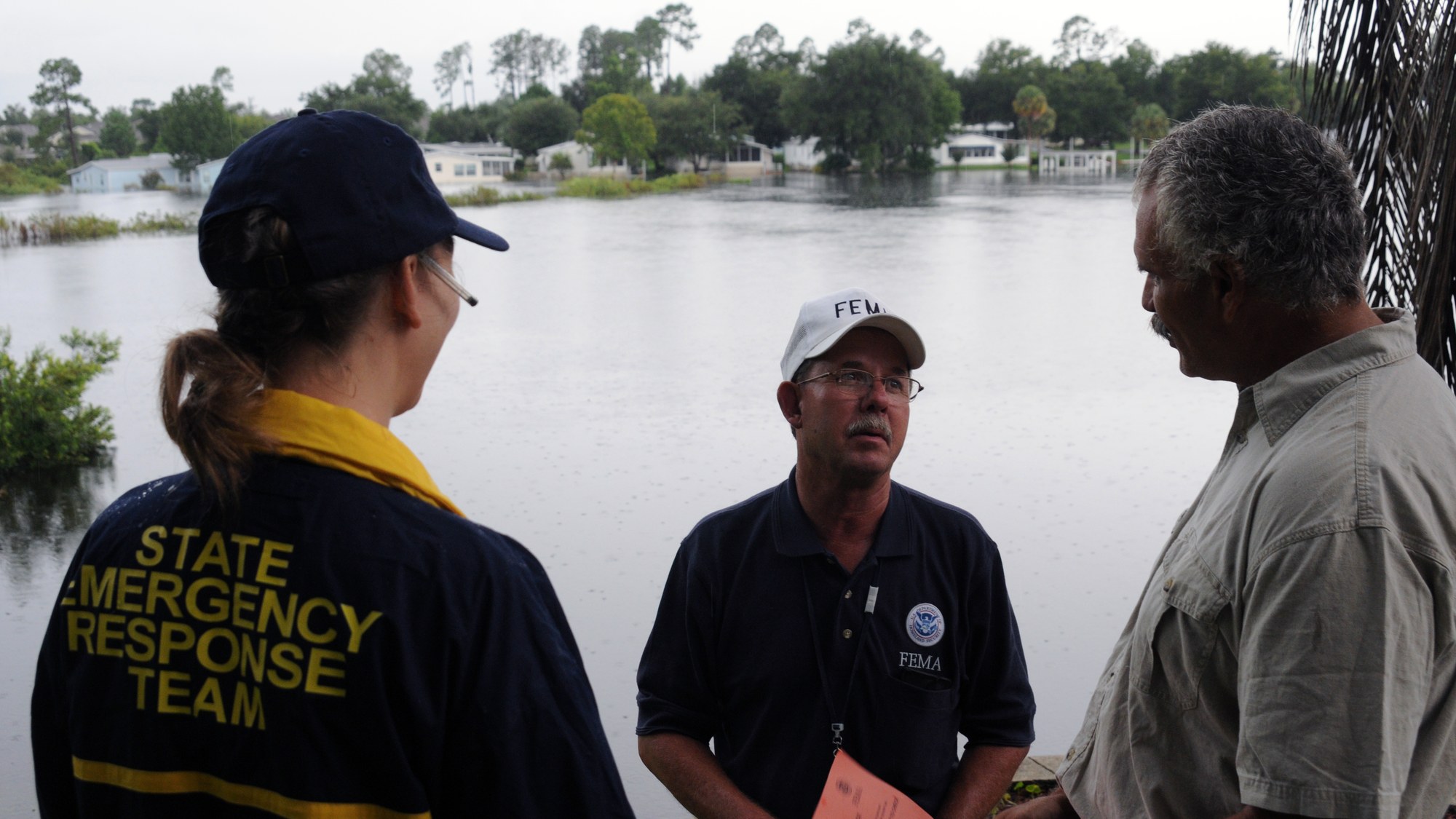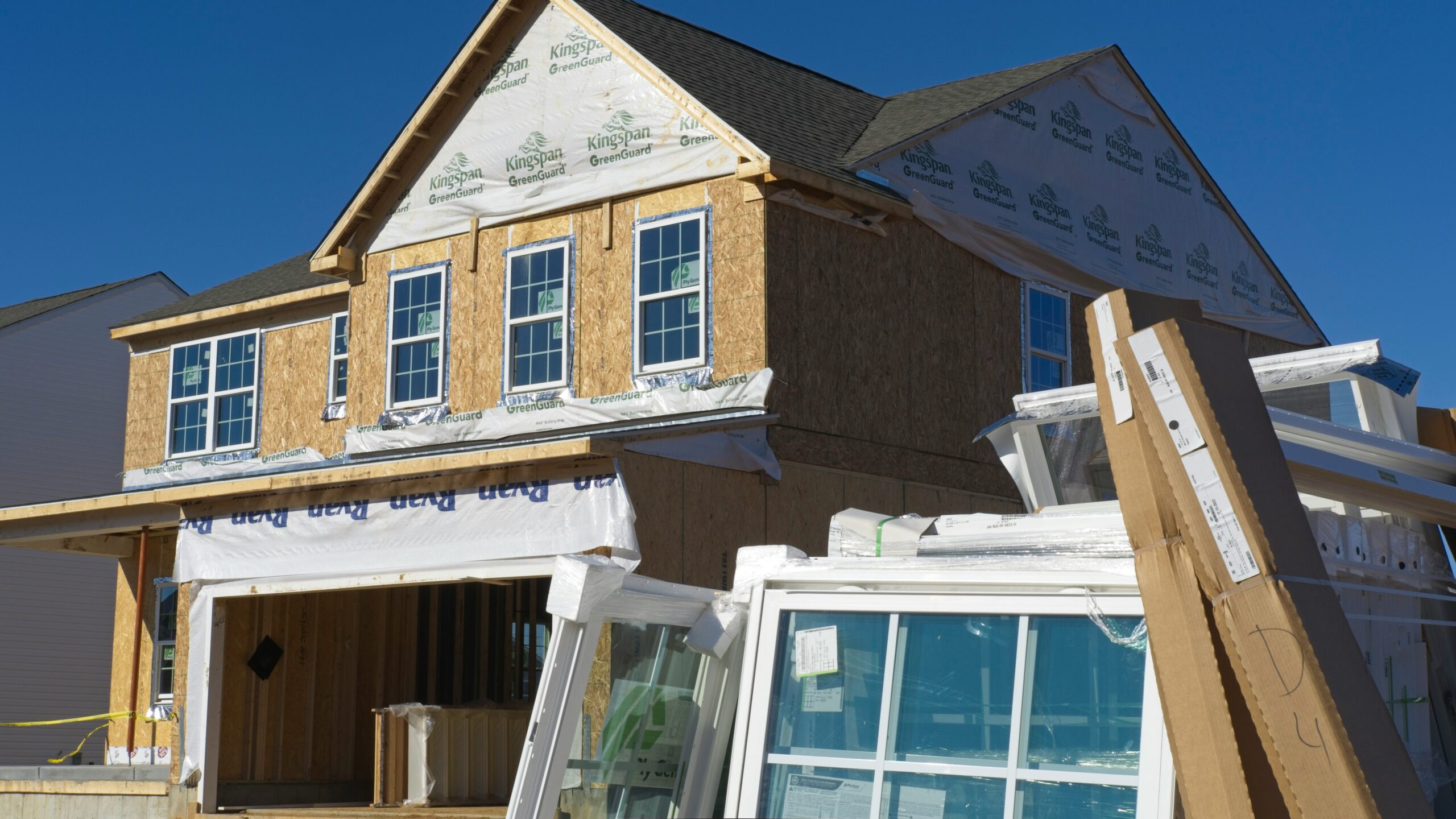
Homeowners insurance was long treated as a fixed line in the household budget, a bill that rose gently and rarely required a second thought. That is no longer true in much of the country. Insurers are raising premiums sharply and, in the areas they consider riskiest, declining to renew policies at all. The squeeze falls unevenly, and it lands hardest on people who cannot easily absorb a sudden jump in a mandatory cost or a scramble to find new coverage. For retirees living on a set monthly income, both the higher price and the threat of non-renewal carry real weight.
What federal data shows about the pullback
The scale of the shift is documented in federal analysis. The U.S. Treasury’s Federal Insurance Office, which collected data on tens of millions of policies from hundreds of insurers, found that homeowners in the highest-risk ZIP codes faced non-renewal rates roughly 80 percent higher than those in the lowest-risk areas, and that the gap widened over time. Its report on the homeowners market concluded that costs are rising and availability is declining as climate-related events take a growing toll.
A separate review by the Government Accountability Office reached a parallel finding, reporting that while premiums generally tracked inflation nationally, they rose considerably more in disaster-prone areas. The two federal assessments point the same direction: the market is tightening most where the risk of wildfire, hurricane, and severe storms is highest.
Free retirement updates: Social Security and Medicare change every year, and nobody sends you a memo. Our free Retirement Shield newsletter breaks down what changed and what to do. Get it free in your inbox.
Why carriers are retreating from high-risk areas
The forces behind the pullback are structural rather than temporary. Insurers point to a rising frequency of costly disasters, higher rebuilding costs driven by construction and labor inflation, and a hardening reinsurance market, the coverage insurers themselves buy to backstop large losses. When reinsurance grows more expensive, that cost flows through to homeowners in the form of higher premiums, and where an insurer concludes the risk is no longer worth writing at any acceptable price, it stops renewing policies in that market entirely.
The result is a patchwork in which a homeowner’s premium and even their ability to buy coverage depend heavily on the wildfire or flood risk assigned to their address. Two similar houses in different regions can face very different insurance realities.
Where dropped homeowners end up
Homeowners who lose private coverage do not simply go without, because a mortgage lender requires insurance. Many turn to state-run insurers of last resort, the FAIR plans and similar programs designed as a backstop. Those plans have swelled as private carriers withdraw, and they frequently offer narrower coverage at a higher price than the policies they replace. The Insurance Information Institute tracks these market dynamics and the growth of residual markets as private options shrink in the most exposed states.
For a retiree, a move to a last-resort plan can mean paying more for less protection, a combination that strains a fixed budget while leaving the home more vulnerable to a serious loss.
What homeowners can do as the market tightens
The trend is largely outside any individual homeowner’s control, but a few steps can soften the impact. Shopping coverage before a renewal, rather than accepting a non-renewal passively, sometimes turns up a carrier still writing in the area. Investing in recognized risk-reduction measures, such as a fire-resistant roof or storm shutters, can qualify a home for discounts or make it insurable when it otherwise would not be. Reviewing the policy’s replacement-cost figure ensures a home is neither dangerously underinsured nor paying for coverage it does not need.
None of those measures reverses the broader retreat that the federal data describes. The pressure on premiums and availability is being driven by disaster costs and reinsurance markets that show no sign of easing, and for homeowners in the highest-risk regions, planning around a more expensive and less certain insurance market has become part of the arithmetic of staying in the home.
This article was produced with AI assistance and reviewed by The Financial Wire editorial team.
More Financial Reading
- Bank statements: how long to keep them and when to toss them
- Adding someone to your bank account: tax traps and smart moves