Every dollar in a traditional IRA carries an unpaid tax bill, due whenever the money finally comes out. A Roth conversion settles that bill early, on the account owner’s own schedule, in exchange for a different kind of freedom later: every dollar of growth after the conversion, and every qualified withdrawal from the converted amount, comes out without owing the IRS anything further.
How the Conversion Actually Works
A Roth conversion moves money from a traditional IRA, or from a traditional 401(k) or similar workplace account rolled into an IRA first, into a Roth IRA. There are three ways to do it: a rollover, where the owner receives a distribution and deposits it into a Roth IRA within 60 days; a trustee-to-trustee transfer between two different financial institutions; or a same-trustee transfer when both accounts sit at the same firm. Whichever method is used, the conversion results in the untaxed portion of the traditional account, generally the full balance for someone who never made nondeductible contributions, being added to that year’s taxable income.
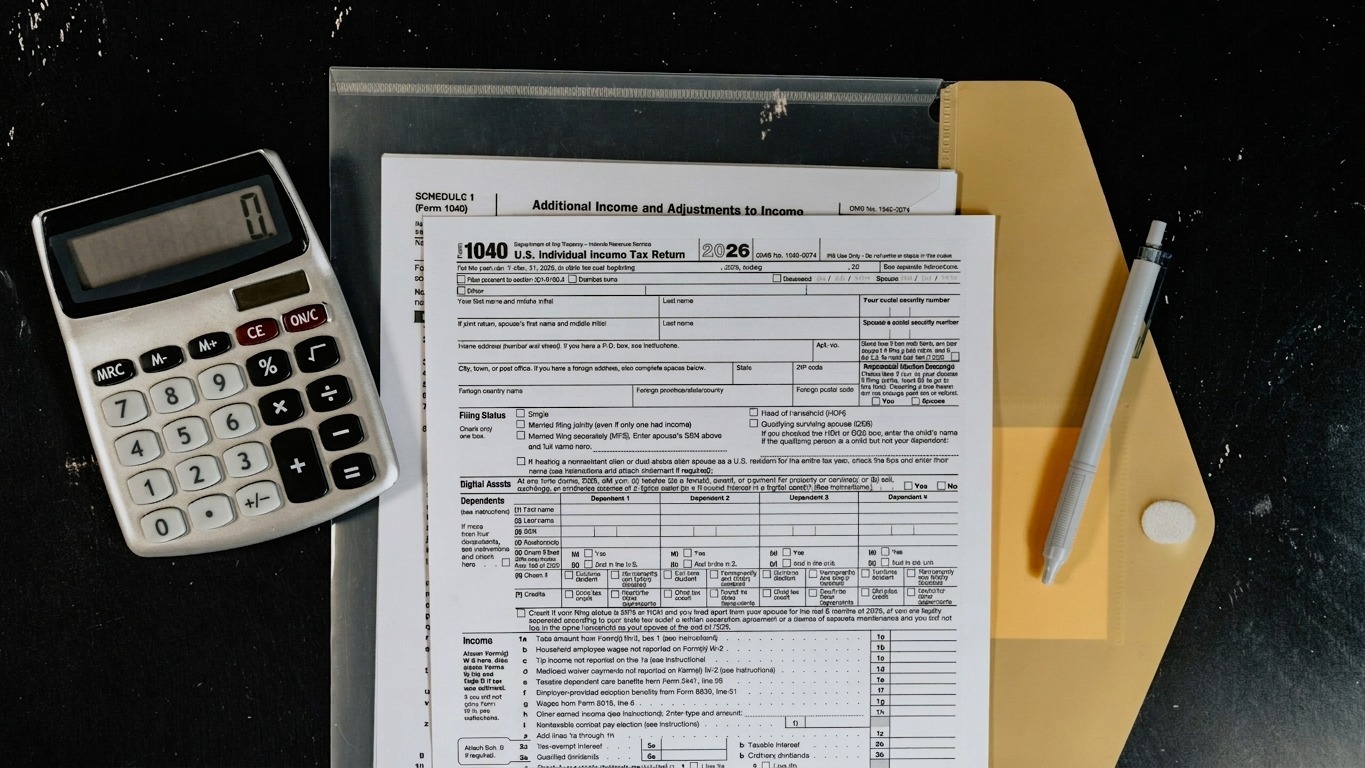
The conversion is reported on Form 8606, Nondeductible IRAs, when the tax return for that year is filed, per the IRS’s FAQs on IRA rollovers and Roth conversions. There is no income limit on who can convert and no dollar cap on how much can be converted in a single year; an account owner could convert the entire balance of a large traditional IRA in one tax year if they chose to, though doing so would also push that entire amount into taxable income at once.
Free retirement updates: Keep more of your Social Security and savings with plain-English updates on the changes, deadlines, and costly mistakes retirees miss. Subscribe free.
The Trade the Account Owner Is Actually Making
The appeal of a Roth conversion rests entirely on a bet about tax rates: pay tax on the converted amount at today’s rate in exchange for never owing tax on that money’s growth again. That trade tends to favor account owners who expect to be in the same or a higher tax bracket later in retirement than they are the year they convert, since paying tax now locks in the lower rate. Retirees who face a temporary dip in income, for example between leaving a job and starting Social Security or required withdrawals, sometimes use that lower-income window specifically to convert a chunk of a traditional IRA while it costs less in tax to do so.
Publication 590-A, the IRS’s guide to IRA contributions, walks through the mechanics of calculating the taxable portion of a conversion when an account holds both deductible and nondeductible contributions, since only the untaxed portion is taxed again on conversion. Account owners who have ever made a nondeductible contribution to a traditional IRA need that calculation to avoid paying tax twice on the same dollars, which is one of the more commonly missed details in a do-it-yourself conversion.
The Rule That Makes Conversions Permanent
A change tied to the 2017 Tax Cuts and Jobs Act made every Roth conversion irreversible starting January 1, 2018. Before that date, an account owner who converted and then watched the investments drop in value could undo the conversion, a process called recharacterization, and avoid paying tax on a balance that had since shrunk. That option no longer exists for any conversion made from 2018 forward, which means the decision to convert has to be made with the understanding that the tax bill is final regardless of what happens to the account’s value afterward.
That permanence is also why timing matters more than it once did. An account owner converting during a year of unusually low income, or converting a smaller slice of the balance across several years instead of all at once, can manage the size of the tax bill more deliberately, since there’s no fallback option to reverse a conversion that turned out to be larger than intended.
The Five-Year Clock on Converted Money
Converted funds come with their own waiting period before they can be withdrawn without triggering the early withdrawal penalty, separate from the five-year rule that applies to a Roth IRA’s investment earnings. Each conversion starts its own five-year clock, so an account owner who converts money in several different years is tracking several different five-year windows at once. Someone who converts and then needs that specific money back before the clock runs out, even if they’re already past age 59½, can face the additional early withdrawal tax on the converted principal, which is why a conversion generally works best as a long-term move rather than a short-term maneuver. The conversion paperwork itself flows through IRS Form 8606, which also tracks any nondeductible basis carried forward from prior years.
This article was produced with AI assistance and reviewed by The Financial Wire editorial team.
More Financial Reading
- Adding someone to your bank account: tax traps and smart moves
- What really happens to your joint savings account when you die?