Millions of older Americans who rely on brand-name prescriptions are seeing early results from a White House pricing campaign that started with a single round of letters to the pharmaceutical industry. The Trump administration has spent more than a year pressing drugmakers to bring their U.S. list prices closer to what the same companies charge in other wealthy countries, and it says the effort now reaches a widening share of the branded drug market. Among the earliest and most visible changes: some GLP-1 weight-loss treatments, once priced above one thousand dollars a month, are now advertised near one hundred forty nine dollars through the administration’s cash-pay platform, a figure that has drawn as much attention as any number in the broader pricing push.
Seventeen Manufacturers and the Most-Favored-Nation Letters
The pricing push traces back to a May 12, 2025, executive order directing federal agencies to pursue most-favored-nation, or MFN, pricing, a standard under which a drug’s U.S. price would not exceed the lowest price the same manufacturer accepts in comparable developed nations. Two months later, on July 31, 2025, the administration sent letters to 17 of the country’s largest pharmaceutical manufacturers outlining specific steps each company needed to take to narrow that gap. Those companies signed individual MFN agreements one at a time, starting with Pfizer that September and continuing through household names such as Eli Lilly, Novo Nordisk, Merck, Johnson and Johnson, AbbVie and Sanofi.
By the administration’s own account, those 17 manufacturers together represent roughly 86 percent of the U.S. branded drug market, a concentration that let the White House claim broad reach even before pursuing smaller manufacturers. The agreements span therapeutic categories from insulin and inhalers to cancer treatments, but the price cuts advertised most heavily to consumers involve the newest class of obesity and diabetes medications, the GLP-1 drugs, in part because those drugs carried some of the highest list prices in the country before the deals took effect.
Free retirement updates: Social Security and Medicare change every year, and nobody sends you a memo. Our free Retirement Shield newsletter breaks down what changed and what to do. Get it free in your inbox.
TrumpRx and the Push Toward $149-a-Month GLP-1 Pricing
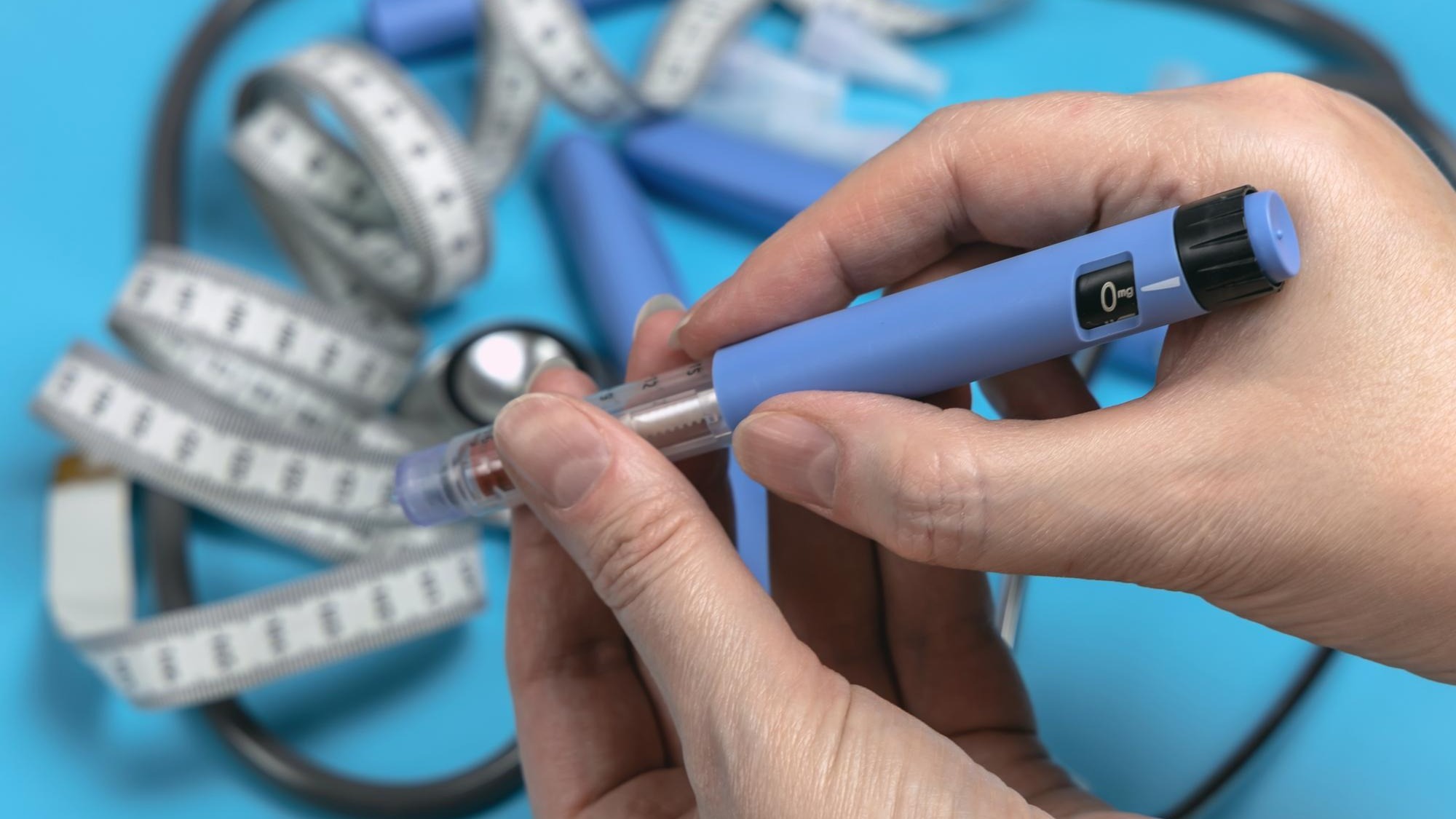
Consumers see the most direct evidence of the campaign on TrumpRx.gov, the direct-to-patient pricing platform the administration launched in February 2026. The site lets a cash-paying patient buy select brand-name drugs, including GLP-1 injections such as Wegovy and Zepbound, at negotiated rates below the list prices insurers and pharmacies have charged for years. GLP-1 medications that once cost more than one thousand dollars a month are now available starting as low as $149, though the exact price a patient pays depends on the drug, the dose and whether it is an injectable version or a still-developing oral tablet, and the administration has not published a single uniform price list covering every strength.
Novo Nordisk and Eli Lilly, the two companies that dominate the GLP-1 market, separately committed to price future oral obesity pills at no more than $149 for a starting dose once regulators approve them, while lowering injectable Wegovy and Zepbound pricing to a range that, at the lowest strength, comes close to that same figure. The gap between the injectable shots and the pending pill has narrowed as the administration and the manufacturers keep negotiating, but $149 remains the anchor number the White House cites most often when describing the savings older patients can expect on GLP-1 treatment, even when the fine print shows a wider range depending on formulation.
Medicare’s $50 GLP-1 Copay for Seniors Without Coverage
The most direct benefit for older Americans may not be the cash-pay price on TrumpRx at all, but a separate Medicare change tied to the same pricing campaign. Beginning in July 2026, according to a White House fact sheet published August 31, 2026, seniors enrolled in Medicare who previously had no coverage for GLP-1 drugs prescribed for obesity gained access to those medications for a $50 monthly copay. In the two months since that option opened, the administration says, more than 500,000 seniors have used it, saving a combined $216 million on treatments that otherwise would have cost the full list price out of pocket.
That copay program sits alongside the broader Medicaid impact of the pricing deals. The newest round of agreements, announced the same day, extends most-favored-nation pricing to every state Medicaid program for drugs made by nine additional manufacturers, a mechanism the Centers for Medicare and Medicaid Services has pursued through its own drug-payment models in parallel with the White House’s manufacturer-by-manufacturer negotiations. Those nine companies also committed to invest a combined $19.6 billion in U.S. manufacturing capacity and to donate raw pharmaceutical ingredients, including antibiotics and an anticonvulsant, to a federal stockpile intended to reduce reliance on foreign suppliers.
A List That Keeps Growing Past the Original 17
The 17-manufacturer letter campaign that started in mid-2025 was always described as a first wave rather than a finish line. On August 31, 2026, the administration announced that nine more companies, including Astellas Pharma, BeOne Medicines, CSL, Sun Pharma, Teva Pharmaceuticals and UCB, had signed their own most-favored-nation agreements, bringing the total number of participating manufacturers to 26 and pushing coverage to an estimated 89 percent of the branded drug market. The Council of Economic Advisers projects the cumulative savings from the full set of deals could reach $600 billion over the next decade, though that figure is a projection rather than money already realized.
For a retiree comparing pharmacy receipts today, the practical test is narrower than any projection: whether a specific prescription’s price at the counter, or on TrumpRx, actually reflects the lower figures the administration has announced. Drug-by-drug rollout has been uneven, and some of the steepest advertised cuts, including the $149 GLP-1 figure, apply to specific doses, formulations or Medicare pathways rather than to every version of every drug on the list.
This article was produced with AI assistance and reviewed by The Financial Wire editorial team.
More Financial Reading
- Adding someone to your bank account: tax traps and smart moves
- The ideal retirement withdrawal rate so your savings actually last