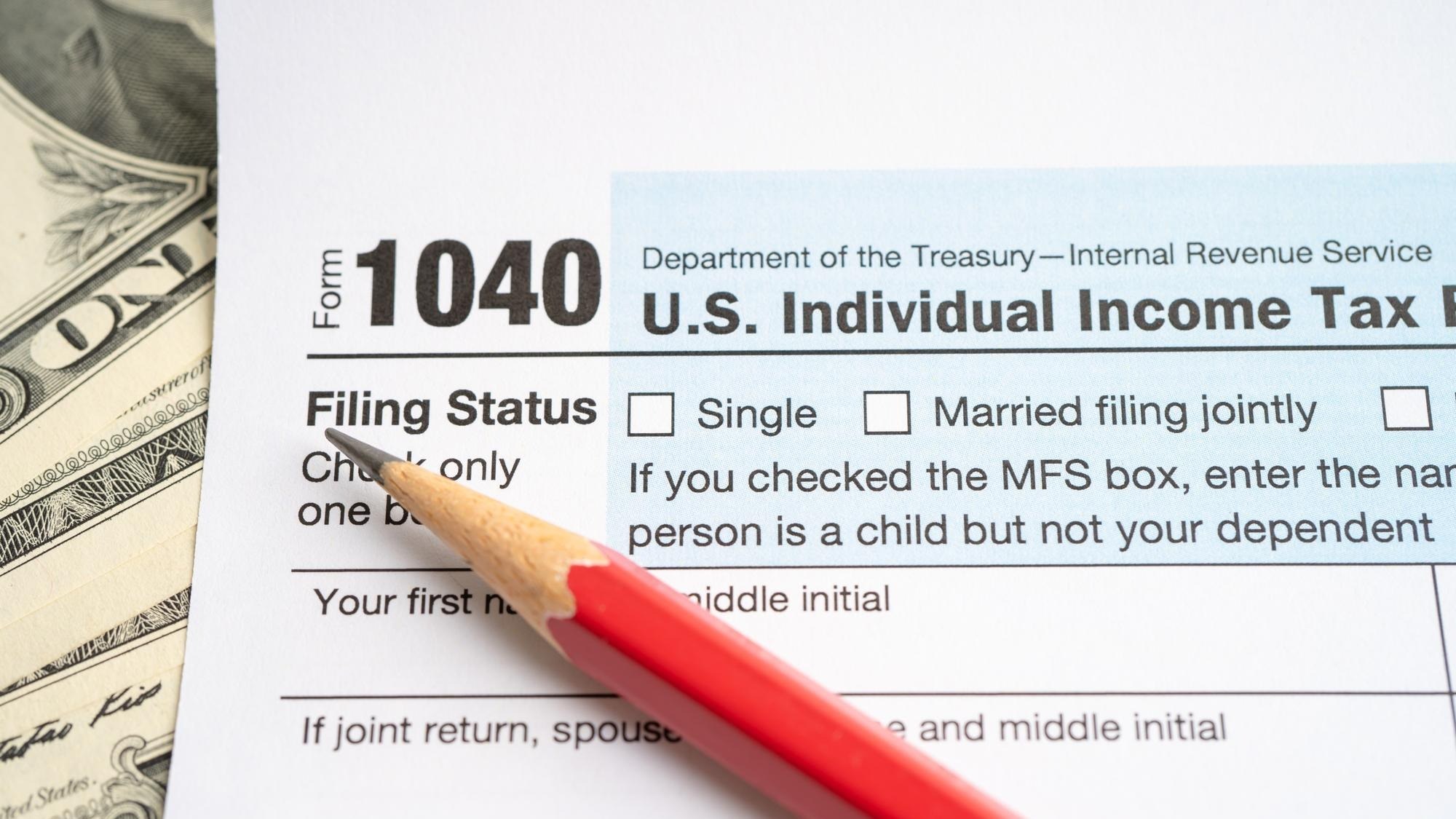
Filers 65 and older get a new deduction this tax season on top of everything already available to seniors, worth up to $6,000 for an individual and $12,000 for a married couple when both spouses qualify. The break runs for four tax years, 2025 through 2028, and it phases out for higher earners rather than applying evenly across every income level.
How the $6,000 Senior Deduction Works
The deduction is separate from the regular standard deduction and the long-standing additional amount already available to filers 65 and older, so it stacks on top of both rather than replacing either one. It’s available whether a filer itemizes or takes the standard deduction, and eligibility is based on age alone — a filer doesn’t need to be retired or drawing Social Security to claim it. The IRS confirms the requirement that a filer turn 65 by the end of the tax year and include a valid Social Security number on the return.
A married couple filing jointly can claim up to $12,000 combined if both spouses meet the age requirement, but only the spouse who turns 65 gets the individual $6,000 amount if just one of them qualifies. The deduction applies per return, not per household, so a single filer and a married filer face different math even at the same income level.
Free retirement updates: One number can cost or save hundreds a month in retirement. The free Retirement Shield newsletter surfaces the ones worth knowing. Sign up free.
Where the Income Phase-Out Kicks In
The deduction shrinks for higher-income seniors rather than staying flat regardless of earnings. It begins phasing out once modified adjusted gross income passes $75,000 for a single filer or $150,000 for a married couple filing jointly, reduced by 6 cents for every dollar of income above that line. The deduction disappears entirely at $175,000 for a single filer and $250,000 for a married couple filing jointly, so upper-income retirees drawing sizable pension, investment, or required minimum distribution income should check where they land before assuming the full $6,000 applies to their return.
Because the phase-out is based on modified adjusted gross income, a retiree’s mix of Social Security, pension, and investment income all factors into the calculation, not just wage income. A retiree close to the $75,000 or $150,000 threshold can find that a single large capital gain or an oversized IRA withdrawal in a given year pushes income just high enough to cut into the deduction for that year alone.
Why the Four-Year Window Matters for Planning
Because the deduction is written into law only through the 2028 tax year, it functions as a temporary provision rather than a permanent fixture of the tax code, part of the same package covering other tax changes for working Americans and seniors. A retiree deciding how much to pull from a traditional IRA, when to realize investment gains, or whether to convert part of a traditional account to a Roth has an incentive to plan around these four years specifically, since the value of staying under the phase-out threshold is highest while the deduction is actually in effect.
Filers who worked with a tax preparer in prior years but handled a simple return themselves this season should specifically check whether the enhanced deduction was applied, since it’s new enough that older tax software defaults and rules of thumb may not yet account for it automatically.
How It Differs From the Older Age-65 Deduction
Seniors already had a smaller, older tax break before this one existed: an additional standard deduction amount for filers who are 65 or older or blind, which has been part of the tax code for years and applies automatically to anyone who takes the standard deduction and meets the age threshold. That older amount is modest by comparison — a few thousand dollars, adjusted periodically for inflation — and it doesn’t carry an income phase-out the way the new $6,000 deduction does.
The two benefits stack rather than replace each other, meaning an eligible senior claims both the long-standing age-65 addition and the new enhanced deduction on the same return, subject only to the new deduction’s income limits. A filer comparing this year’s refund with a prior year’s should expect a larger gap than the older deduction alone would explain, since the bulk of the increase now comes from the temporary $6,000 provision layered on top.
Why a Deduction Instead of a Social Security Tax Exemption
The $6,000 deduction exists in its current form partly because of how the underlying tax law had to be passed. The broader package moved through Congress under budget reconciliation rules that bar provisions directly changing Social Security itself, which ruled out simply exempting Social Security benefits from income tax the way some earlier proposals floated. Lawmakers used an income-based deduction tied to age instead, which reaches a similar goal for most seniors without touching the benefit-taxation rules directly.
That design choice also broadens who benefits. Because eligibility is based on turning 65, not on receiving Social Security, a retiree living entirely on pension or investment income gets the same deduction as one drawing Social Security checks, while a full benefit exemption would have helped only the latter group.
This article was produced with AI assistance and reviewed by The Financial Wire editorial team.
More Financial Reading
- How many CDs can you park at 1 bank? FDIC rules you must know
- Bank statements: how long to keep them and when to toss them