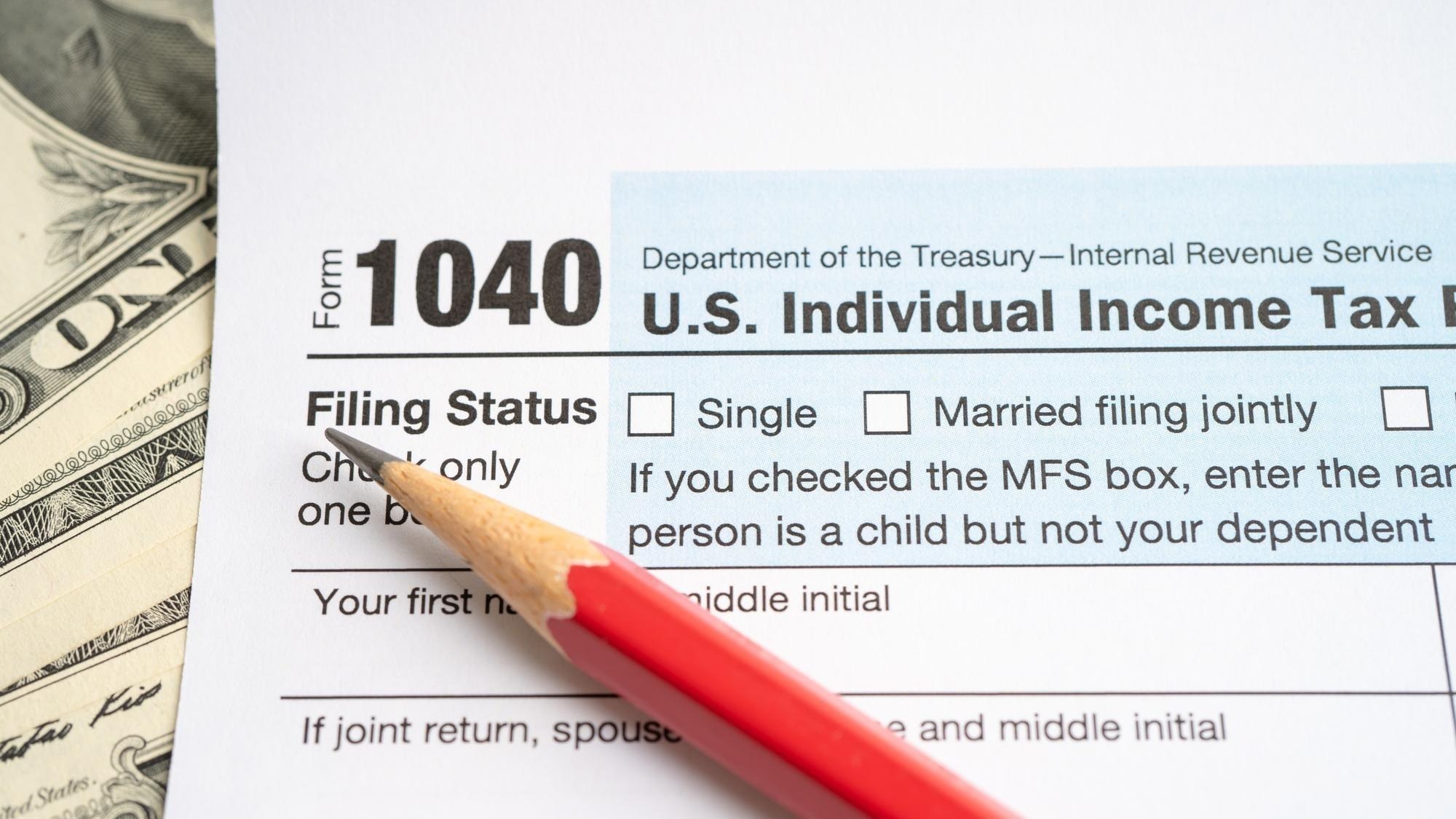
The federal government has begun repaying billions of dollars in tariffs the Supreme Court struck down, and the mechanics behind that repayment run through customs law far older than the tariffs themselves. U.S. Customs and Border Protection now pays these refunds by direct deposit to the importer of record’s bank account, using a new electronic filing tool called CAPE inside the agency’s Automated Commercial Environment portal. The deposit itself, though, is the last step in a chain that includes accruing interest, a formal liquidation or reliquidation of the underlying customs entry, and a processing window set by decades-old regulation, not something that happens the moment a court issues a ruling. For retirees and other households living on a fixed income who watched consumer prices climb as the tariffs took effect, that distinction matters: none of the money moving through CAPE is designed to land back in the hands of the shopper who paid the higher price at checkout.
Interest Runs From the Deposit Date, Not From the Court’s Ruling
CBP’s own regulations make clear a refund of excess duties is not just principal. Under 19 CFR 24.36(a)(1), when an entry liquidates or reliquidates for less than an importer originally deposited, the refund must include interest on the excess money, computed from the date the duties were deposited with Customs to the date of liquidation or reliquidation, not from the date of the court decision that struck the tariff down, and not from the date a refund claim is filed. For duties collected under the International Emergency Economic Powers Act, that means interest has been accumulating since each entry’s original import date, in many cases months before CAPE existed to process a claim. CBP built that expectation into the tool itself: the bulletin announcing CAPE’s launch states the system is designed to consolidate refunds of IEEPA duties including interest, rather than calculating principal and interest one entry at a time. The rate is not fixed or generous by design; it resets every quarter under a formula tied to the federal short-term rate and published in the Federal Register. For the quarter running from July 1 through September 30, 2026, the period CAPE claims are moving through now, the published rate is 7 percent on refunds owed to importers that are not corporations and 6 percent for corporate importers, up from 6 percent and 5 percent the prior quarter.
Free retirement updates: One number can cost or save hundreds a month in retirement. The free Retirement Shield newsletter surfaces the ones worth knowing. Sign up free.
A Court Ruling Doesn’t Reliquidate an Entry By Itself
Duties owed on an import are not final the moment goods clear a port. CBP finalizes, or liquidates, each entry separately, and only a liquidated or reliquidated entry can generate the refund CAPE is built to pay. The agency’s bulletin spells out the sequence: the importer of record or the customs broker who filed the entry submits a CAPE Declaration inside the ACE Portal; CBP then removes the IEEPA tariff line, recalculates the duty owed without it, and creates an updated version of the entry. Only after that does CBP review the new version and liquidate or reliquidate it. That extra review step is why a Supreme Court ruling does not move money by itself; the entry has to be reworked and formally closed out under the agency’s own procedure first. CAPE’s first phase is also deliberately narrow: CBP limited it to entries that are still unliquidated or that liquidated within the prior 80 days, leaving older, already-closed entries for a later phase the agency has not yet detailed publicly.
A 30-Day Payment Clock, With Its Own Penalty Interest If CBP Misses It
Once an entry does liquidate or reliquidate, the refund cannot sit indefinitely. The same CBP regulation requires the agency to pay a refund, including any interest owed, within 30 days of the liquidation or reliquidation date. If CBP misses that window, the outstanding balance is treated as delinquent and a separate interest charge begins accruing on the unpaid amount in additional 30-day blocks until it is paid in full, a penalty aimed at the agency’s own timeliness, not a lever an importer can pull to speed up review. CBP has not published a public estimate of how many CAPE Declarations it can process at once, or a typical wait between filing a declaration and an entry’s liquidation. Its bulletin points importers only toward its own frequently asked questions and training material on Portal setup. What CBP has been explicit about is the precondition: a refund recipient must already have an ACE Portal account, with bank information for ACH refunds on file, before a CAPE Declaration can even be submitted.
The Deposit Goes to the Importer of Record, Not the Person Who Paid the Higher Shelf Price
CBP’s regulation is direct about who is entitled to the money. Refunds are certified for payment to the importer of record, with narrow exceptions for a bonded-warehouse transferee, a party covered by a formal owner’s declaration, or a surety that already paid on the importer’s behalf. In practice, the importer of record is almost always a business, the company that brought the goods into the country and paid the tariff at the border, not the household that later bought the finished product off a shelf. CAPE reinforces that structurally, consolidating refunds by importer and paying them by ACH to the bank account that importer or its designated broker registered inside the ACE Portal, with no field anywhere in the process for a retail buyer to file a claim of their own. Whether any share of the money returning to importers eventually shows up in a lower price at checkout, the way the original tariff cost was often passed along as a higher one, is a question the refund mechanism itself was never built to answer.
This article was produced with the assistance of AI and reviewed by The Financial Wire editorial team.
More Financial Reading
- The ideal retirement withdrawal rate so your savings actually last
- Adding someone to your bank account: tax traps and smart moves