Federal prosecutors laid out, in unusual detail, how a sweepstakes fraud ring squeezed more than $9 million out of over 200 elderly Americans: six different payment channels, each one chosen because it moved money in a direction victims could not easily pull back. The ring’s sentencing this week, built around Jamaican national Jordan Trought, doubles as an inventory of the payment methods con artists prefer and the reasons each one appears on that list. The mechanics matter beyond this single case, because the same six channels show up again and again in elder fraud prosecutions nationwide, regardless of which sweepstakes name or luxury prize the caller invents.
Six Payment Channels, One Purpose: Money Victims Could Not Reverse
Victims of the scheme were instructed to send money by mailing checks, money orders and cash, and separately by wire transfer, Zelle and Venmo, to addresses and accounts the caller specified. The pretext was consistent across the ring’s decade of operation: an unsolicited phone call or text from someone using a common alias, such as “David Miller,” claiming the victim had won a life-changing amount of money and a luxury car from a well-known marketing and sweepstakes company, but needed to pay taxes or fees first. No legitimate sweepstakes ever requires a winner to pay before a prize arrives, which is the single fact that unravels every version of this pitch regardless of which of the six payment methods the caller asks for.
Free retirement updates: Enrollment and claim windows come and go, and missing one can cost you real money. The free Retirement Shield newsletter keeps you ahead of the deadlines that matter. Sign up free.
Wire Transfers and Money Orders: Cash the Moment It Lands
Wire transfers and money orders share one trait that made them, according to the Southern District of New York, the ring’s workhorses: once the funds are picked up on the other end, the sender has essentially no way to reverse the transaction. A wire moves directly between financial institutions and settles within hours, and a money order, once cashed, functions like cash that already changed hands. Neither carries the buyer protections attached to a credit card, and neither routes through a system built to flag and freeze a payment before it is collected. A victim who sends $5,000 by wire on a Monday has, in practical terms, no institution left to call on Tuesday.
Zelle and Venmo: Consumer Apps Exploited for an Old Con
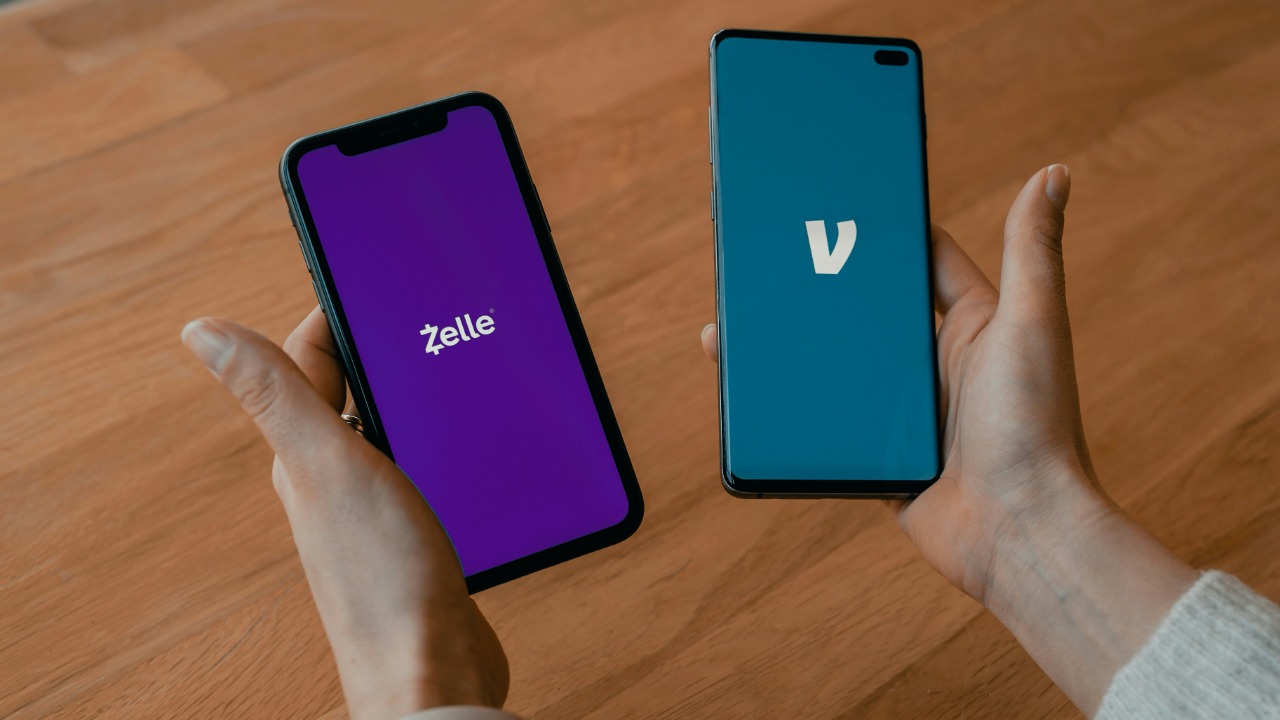
Zelle and Venmo added a newer set of tools to the same old pitch. Both apps were built to move money quickly between people who already trust each other, such as splitting a dinner bill or paying a relative back, and both process transfers as authorized instantly and irreversibly once the sender approves them. Banks that operate Zelle have limited ability to claw back funds a customer willingly sent, even when that customer was deceived into sending them, because the transfer itself was authorized rather than stolen outright. That design, meant for convenience between people who know each other, is precisely what a caller instructing an elderly victim to “just send it on Zelle” is exploiting, since the app has no equivalent of a credit card dispute process built in.
Checks and Cash: The Oldest Tools, Still in Use
Checks and cash are the oldest tools on the list, and prosecutors say the ring used them throughout its run from at least 2015 through 2025. A check can be deposited into an account before a bank has any reason to question it, and cash mailed in an envelope leaves no transfer record to trace once it reaches its destination. Both methods predate every digital payment rail on the list, which is part of why neither ever disappeared from the fraud playbook even as newer apps became available to a caller running the same script decades after checks and cash were the only options.
The Follow-On Ask That Turned One Payment Into Years of Them
The caller in this scheme did not stop after the first payment. Victims who paid were told additional payments were required to finally receive their winnings, a follow-on ask that let a single false promise generate months or years of repeat transfers rather than one loss. Trought and his co-conspirators also gained control of some victims’ bank accounts directly, using that access to move money out of and through the accounts without waiting for another payment request at all.
Six Payment Methods, One Overseas Destination
Wherever the money entered the scheme, prosecutors say it tended to end up in the same place. Victims’ funds were ultimately transferred to associates of Trought and his co-conspirators, as well as to an automobile business Trought operated in Jamaica, according to the Justice Department. Six different payment methods, in other words, fed a single overseas destination, which is part of why recovering money already sent through any of them proved so difficult once a victim realized what had happened.
Jordan Trought, 31, was sentenced to eight years in prison and ordered to forfeit $6,166,227 for his role running the scheme from Jamaica beginning in 2021. The Southern District of New York’s account of the case, filed under press release number 26-253, stands as the record of how a decade of check, money order, cash, wire, Zelle and Venmo payments added up to the losses that put him in federal court.
This article was produced with the assistance of AI and reviewed by The Financial Wire editorial team.
More Financial Reading
- How many CDs can you park at 1 bank? FDIC rules you must know
- What really happens to your joint savings account when you die?