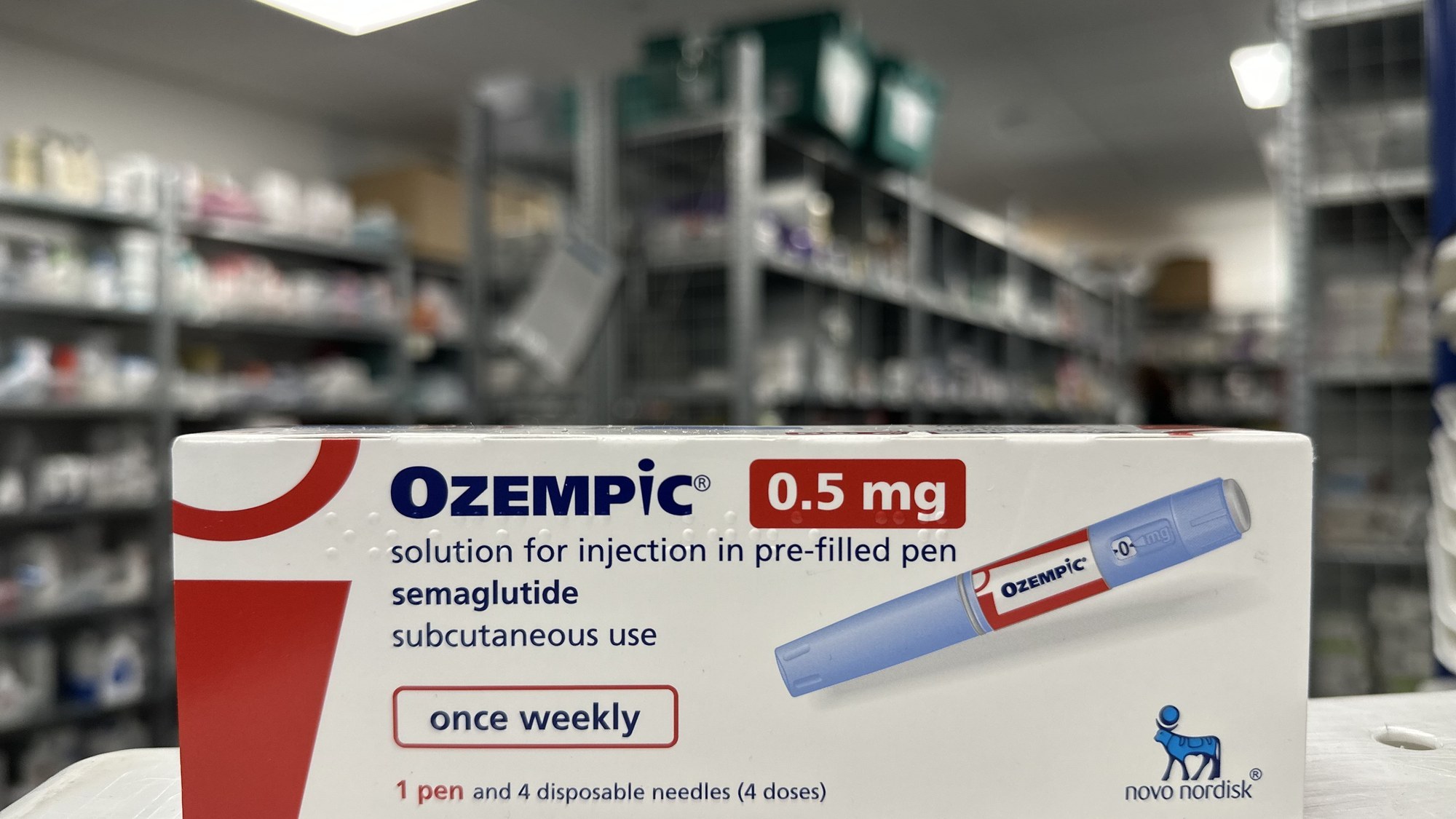
CMS has finalized second-round Medicare price negotiations covering 15 Part D drugs, and for the first time the list includes Novo Nordisk’s diabetes and weight-loss medicines Ozempic, Rybelsus and Wegovy. The new maximum fair prices take effect January 1, 2027, for prescriptions filled under Medicare Part D and Medicare Advantage prescription drug plans. For millions of enrollees managing diabetes, obesity, cancer or chronic lung disease, the announcement is the first change to what these specific drugs cost the program, and eventually the patient, since the negotiation program began under the Inflation Reduction Act.
Fifteen Drugs, One Effective Date: January 1, 2027
The second cycle of the Medicare Drug Price Negotiation Program covers a broader mix of conditions than the first round did. Alongside the three Novo Nordisk products, the list includes the cancer treatments Xtandi, Pomalyst, Ibrance and Calquence; the respiratory drugs Trelegy Ellipta, Breo Ellipta and Ofev; the diabetes pills Tradjenta and Janumet; the gastrointestinal drugs Linzess and Xifaxan; the psychiatric medicine Vraylar; and Austedo, used for Huntington’s disease and tardive dyskinesia.
CMS confirmed the full drug-by-drug list, along with the negotiated price for each, on its selected drugs and negotiated prices page, which lists prices for a 30-day supply beginning January 1, 2027. That date follows the first cycle of negotiations, which set prices for 10 different drugs, including Eliquis, Jardiance and Xarelto, that took effect a year earlier, on January 1, 2026. CMS has already moved on to a third cycle covering 15 more drugs, with prices that would take effect in 2028, and it announced in March 2026 that every manufacturer involved had agreed to participate in that round as well.
Free retirement updates: Want plain-English help keeping more of your money in retirement? The free Retirement Shield newsletter covers the benefits, deadlines, and money mistakes that cost retirees, a couple times a week. Subscribe free.
The Price Set for Ozempic, Rybelsus and Wegovy
Of the 15 drugs, the Ozempic, Rybelsus and Wegovy group carries the largest price tag for the Medicare program. CMS’s fact sheet on the 2027 negotiated prices lists an agreed price of $274 for a 30-day supply, a 71 percent discount from the $959 list price Novo Nordisk charged in 2024.
That 30-day figure translates into specific package prices: $276.78 for a single Ozempic pen or a month’s supply of Rybelsus tablets, and $385.63 for a box of four Wegovy pens, according to the same CMS documentation. About 2.28 million Medicare Part D enrollees used one of the three products in 2024, when they accounted for $15.2 billion of the $42.5 billion in total Part D spending tied to all 15 selected drugs that year.
A Separate, Lower Price May Reach the Pharmacy First
The $274 figure is not necessarily the number a pharmacy will ultimately charge. Weeks before CMS finalized the negotiated price, the White House separately announced a most-favored-nation pricing arrangement with Novo Nordisk that set a lower monthly price of $245 for the same three drugs. According to trade publication reporting on the announcement, CMS has indicated the most-favored-nation price is expected to supersede the negotiated price for Ozempic, Rybelsus and Wegovy once its terms take effect.
The overlap illustrates how two different federal pricing tracks, one built into the Inflation Reduction Act’s negotiation program and the other a voluntary manufacturer agreement, can apply to the same medicine at the same time, with the lower of the two effectively controlling what the program and its enrollees pay.
How the Prices Got Set
The prices were not simply announced; they came out of a year-long process. CMS sent an initial offer to each participating drug company by June 1, 2025, and companies responded with counteroffers by July 1. Three formal negotiation meetings followed for every drug over the summer and fall, and the negotiation period closed on November 1, 2025. CMS says agreement was reached for eight of the 15 drugs through revised offers exchanged during that process, while the remaining seven were settled when the manufacturer accepted CMS’s written final offer.
The size of the discount varied widely by drug. Janumet’s negotiated price fell 85 percent from its 2024 list price and Tradjenta’s fell 84 percent, while Austedo’s discount was smaller, at 38 percent, and Calquence’s was 40 percent. Ozempic, Rybelsus and Wegovy landed in between, at 71 percent, and Breo Ellipta saw an 83 percent reduction.
What the Negotiated Price Changes, and What It Doesn't
A negotiated price does not set what a patient pays at the checkout counter directly. It sets the price manufacturers must make available to Medicare drug plans and to the pharmacies, mail-order services and other entities that dispense a selected drug, which plans then build into their benefit design, including the deductible, the initial coverage phase and the annual out-of-pocket cap Part D now carries.
Every standalone Part D plan and Medicare Advantage prescription drug plan is required to include the 15 selected drugs in its formulary at the negotiated price starting in 2027. CMS estimates the change will save Part D enrollees roughly $685 million in out-of-pocket costs under the program’s defined standard benefit design during the first year the prices apply.
Fifteen Drugs, 15 Percent of Part D Spending
The scale of the negotiation’s impact traces back to how concentrated Part D spending already is. CMS figures show the 15 selected drugs were dispensed to about 5.3 million of the program’s 53 million Part D enrollees in 2024, yet accounted for roughly 15 percent of total Part D gross covered prescription drug costs that year, $42.5 billion out of the program’s full drug bill. Had the negotiated prices already been in place in 2024, CMS calculates the program would have spent an estimated $12 billion less in net costs across the 15 drugs, a reduction of about 44 percent.
Where the help is written down
The programs that lower Medicare costs each run on a different form and a different office, and no single notice lists them together.
The Medicare Cost & Coverage Protection Kit includes a 10-page kit, 51 state Medicare cost-help packs and the new Part D out-of-pocket cap.
See the state cost-help packs in The Medicare Cost & Coverage Protection Kit.
AI assisted in the reporting and drafting of this article, which a human reviewed before publishing.