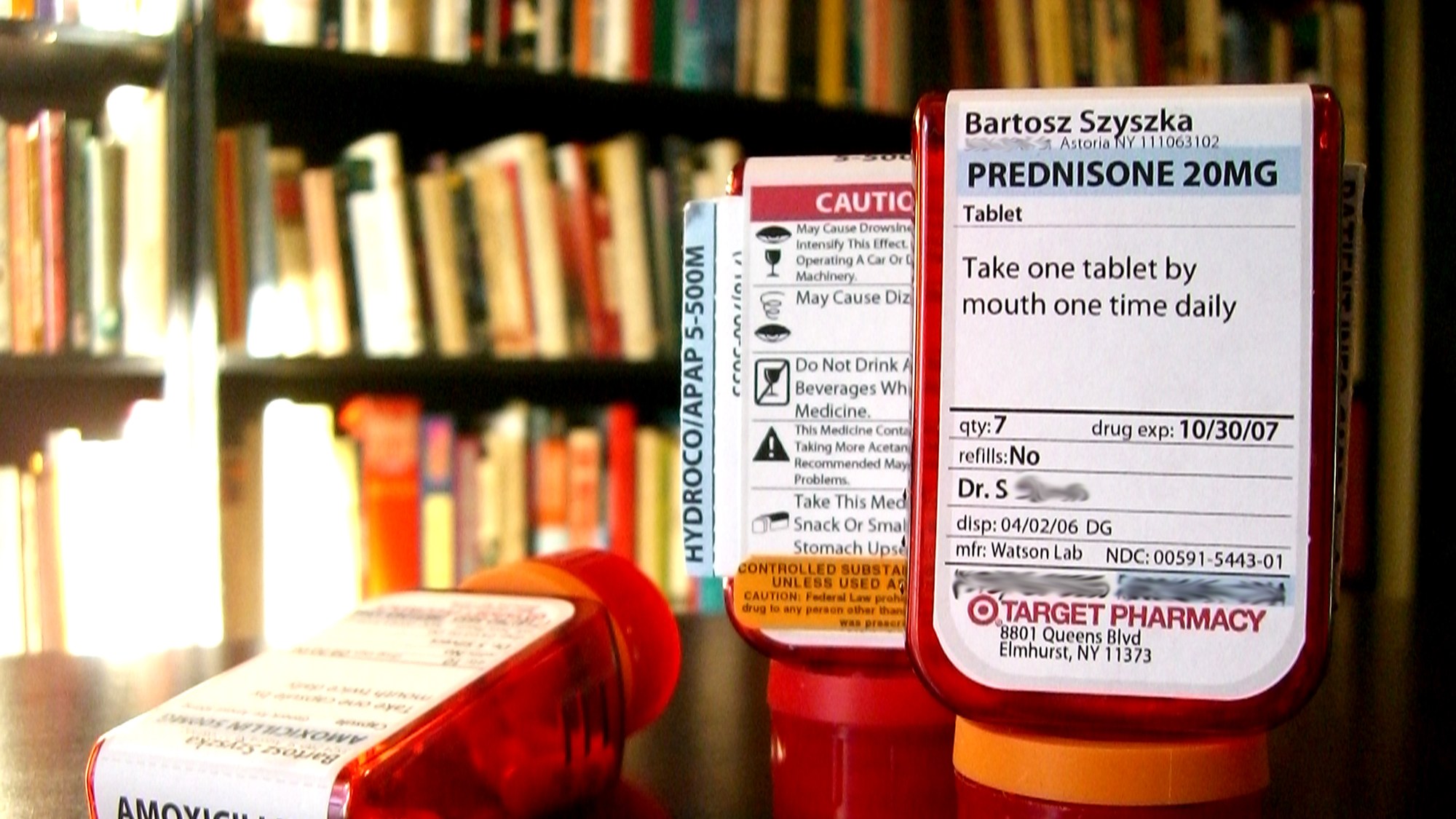
Millions of Medicare beneficiaries with modest incomes qualify for a subsidy that erases most of what they pay for prescription drugs, yet a large share of them have never filed the application that turns that eligibility into real savings. The benefit, known as Extra Help, is run through the Social Security Administration, but unlike a retirement or survivor check, it is not automatic for most people who qualify for it — someone has to apply. Federal officials have acknowledged for years that millions of eligible people remain unenrolled, even as the subsidy’s own estimated value runs into the thousands of dollars a year for a single household.
What Extra Help Erases From a Drug Plan Bill
Extra Help works by rewriting the cost-sharing built into a Medicare Part D drug plan rather than sending a separate check. A qualifying beneficiary gets a sharply reduced or eliminated yearly deductible, a federal payment of the monthly premium up to a benchmark amount that varies by state, and a hard ceiling on what any single prescription costs at the pharmacy counter. The subsidy also cancels the Part D late-enrollment penalty, a surcharge that can otherwise follow a beneficiary for life once drug coverage lapses for an extended stretch after first becoming Medicare-eligible.
For 2026, those caps come to no more than $5.10 for a generic prescription and $12.65 for a brand-name drug, and enrollees who fall below the poverty line and also carry Medicaid pay as little as $1.60 and $4.90. Qualifying also requires staying under set income and resource lines — no more than $23,940 a year in income for an individual, or $32,460 for a married couple, and no more than $18,090 in resources for an individual or $36,100 for a couple, with higher thresholds in Alaska and Hawaii and for beneficiaries supporting dependents. The Social Security Administration’s own materials put the average value of the full subsidy at roughly $5,700 a year per enrollee, and federal estimates suggest as many as 2 million Medicare enrollees who qualify for it are not enrolled, according to a current breakdown of Medicare’s cost-sharing, eligibility, and enrollment figures.
Free retirement updates: Miss an enrollment or claim deadline and it may be gone. Our free Retirement Shield newsletter keeps readers ahead of the ones that matter. Get the free newsletter.
What Counts Toward the Income and Resource Lines
Not every dollar counts the same way. Cash, checking and savings balances, and holdings like stocks, bonds, and mutual funds all count as resources, while a primary residence, one vehicle, household belongings, and up to $1,500 set aside for burial expenses do not — and neither does informal help from family members with household bills. On the income side, Social Security benefits, pensions, wages, and veterans’ benefits count, while SNAP benefits, home energy assistance, and scholarship money do not, according to a CMS consumer fact sheet detailing what states must count.
The same fact sheet also describes who gets Extra Help without ever filing an application. A beneficiary who has full Medicaid coverage, gets help from a state Medicare Savings Program, or receives Supplemental Security Income is automatically enrolled and notified by mail — typically a purple ‘Deemed Status’ notice or a yellow enrollment notice, depending on the circumstance. Everyone else has to apply and be found eligible on income and resources alone, with eligibility reviewed every year; a beneficiary who no longer qualifies gets a new notice, while one who stays under the limits simply keeps the same drug plan and subsidy without hearing anything further.
The Application Nobody Sends Automatically
For everyone outside those automatic categories, the only way into Extra Help is to file. The application can be completed online at any time, in person, or by phone, and it can be submitted again whenever income or resources change, even after an earlier denial, according to Social Security’s own application page for the program. Before applying, the agency recommends gathering bank statements, tax returns, and statements for any IRA, 401(k), pension, veterans’ benefit, or Railroad Retirement Board income, since both figures are verified as part of the review.
A denial can be appealed within 60 days of the decision letter, using Social Security’s form SSA-1021, and the case is reviewed again by someone who was not involved in the first decision before the appeal becomes final.
A Gap Regulators Have Called Structural
That enrollment gap is not new, and it is not confined to Extra Help. Many of the same households who qualify for the drug subsidy are also likely to qualify for Medicare Savings Programs, which cover Part B premiums and other cost-sharing for lower-income enrollees — but getting one benefit does not automatically enroll a household in the other, and no agency sends a combined notice explaining that a second application exists. A household can spend years paying full Part B premiums or full drug copays while meeting the income test for relief it never applied for, simply because the two programs run on separate paperwork administered by different agencies.
CMS itself has said the disconnect is structural, not incidental. In a 2022 proposed rule aimed at streamlining Medicaid, CHIP, and Medicare Savings Program enrollment, the agency wrote that there are ‘no regulations that ensure consumers have access to an efficient and streamlined enrollment process for the Medicare Savings Programs,’ even though people who already qualify for Extra Help are highly likely to also qualify for an MSP based on that alone — and ‘as a result, millions of eligible individuals are not enrolled,’ according to CMS’s own fact sheet on the proposed rule.
Inside the kit
51 state Medicare cost-help packs, the new Part D out-of-pocket cap, the prior-authorization appeal steps and a medication and cost tracker.
The Medicare Cost & Coverage Protection Kit includes a 10-page kit, 51 state Medicare cost-help packs and the new Part D out-of-pocket cap.
Open The Medicare Cost & Coverage Protection Kit.
This article was reported and written with the assistance of AI and reviewed before publication.