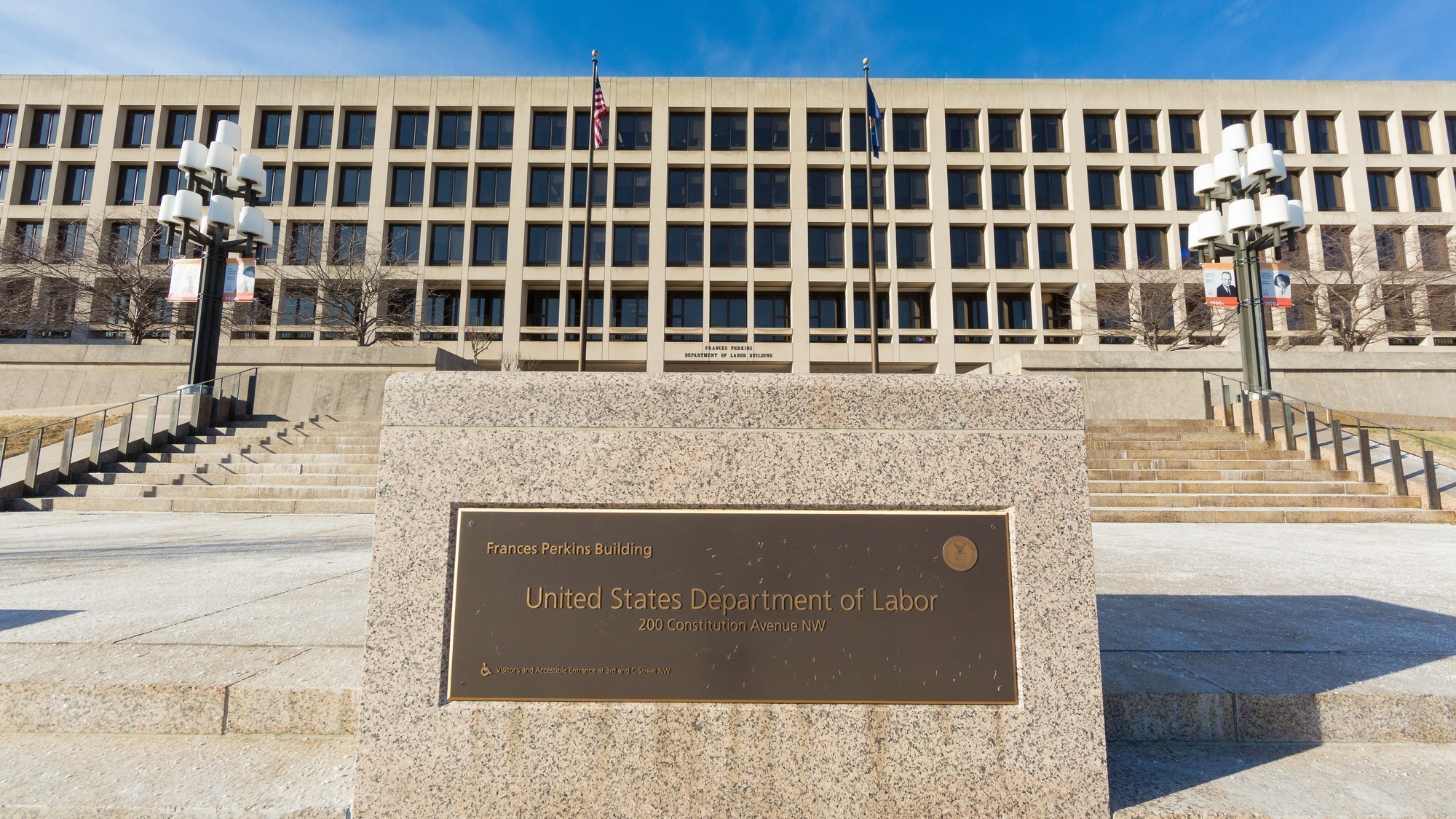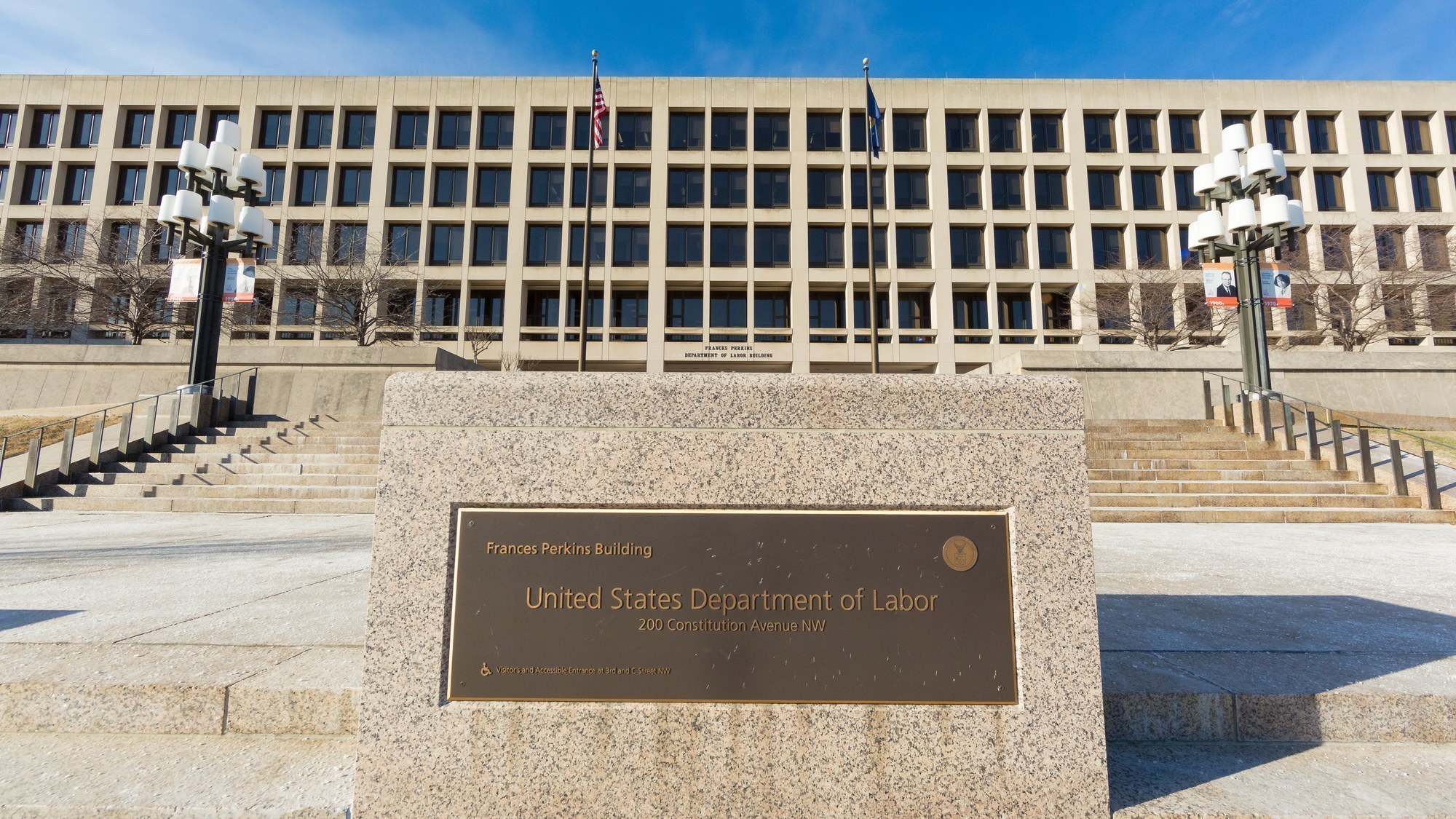
A federal search tool built to reconnect workers with retirement money they left behind at old jobs has logged its first full year of results, and the numbers show both promise and a persistent gap. Nearly 70,000 of the roughly 236,000 people who logged into the Retirement Savings Lost and Found database between its December 2024 launch and the end of 2025 turned up a workplace pension or 401(k) tied to their Social Security number, according to Department of Labor data. For an older worker who lost track of a decades-old 401(k) after a job change, a merger, or a company that no longer exists, the database is the first federally built map back to that money. The tool currently only searches records tied to people 65 and older, so its early numbers describe a narrow slice of the missing-benefits problem the government is trying to solve.
Built Under SECURE 2.0, on a Congressional Deadline
The database exists because Congress ordered it, not because an agency proposed it on its own. Lawmakers used the SECURE 2.0 Act of 2022 to require the Department of Labor to stand up a public search tool so participants and beneficiaries could locate administrators of job-based plans that might still owe them benefits, and they set a hard deadline of December 29, 2024. The Employee Benefits Security Administration opened the Retirement Savings Lost and Found to the public that month, making 2025 its first full calendar year of operation.
Section 303 of that law added a new Section 523 to ERISA directing the effort. The department’s guidance limits submissions to participants who separated from service, are owed a benefit, and are age 65 or older, and separately credits EBSA’s own enforcement investigations with recovering more than $7 billion in retirement benefits for missing participants and beneficiaries since 2017. That age restriction is why the 236,269 logins recorded through the end of 2025 describe older account holders specifically rather than the full workforce.
A missing name in the system does not necessarily mean a missing benefit. Submission of records remains voluntary rather than mandatory, according to the Department of Labor’s fact sheet on the database’s buildout, so a gap in the system may only mean a plan has not yet uploaded its records.
Free retirement updates: Social Security and Medicare change every year, and nobody sends you a memo. Our free Retirement Shield newsletter breaks down what changed and what to do. Get it free in your inbox.
Why the Database Cannot Find Every Kind of Account
The tool also draws a hard line around what kind of account it can find. It can surface defined-benefit pensions and defined-contribution plans such as 401(k)s sponsored by private-sector employers or unions, but it cannot locate an individual retirement account, and it excludes plans sponsored by government employers or non-participating religious organizations. Social Security benefits sit outside the tool entirely, a distinction that keeps a hit in the database from being mistaken for a Social Security record.
A Match Is a Lead, Not a Payout
Finding a plan in the database is the start of a claim, not the end of one. A search result only shows that a person participated in a plan at some point — the benefit may already have been paid out, rolled into another account, or converted into an annuity. Only the plan administrator named in the results can confirm whether money is still owed, and reaching that administrator is the next step for anyone who gets a hit.
That contact information comes largely from decades-old paperwork. The database draws its historical records from the Social Security Administration’s Form 8955-SSA filings, some dating back twenty years, so a phone number or address on screen can point to a plan that has since merged or changed administrators. EBSA has opened a separate intake portal to let administrators and recordkeepers refresh that contact data directly, rather than leave old filings as the only record on file.
None of that back-end complexity is visible to the person searching. What they see is a list of plans tied to their own Social Security number, produced only after they clear an identity check through Login.gov, a step that requires a driver’s license photo, a date of birth, and either a mobile device or a landline that is not routed through the internet.
The 69,712 Sit Inside a Much Bigger Backlog
The scale of forgotten retirement money reaches well beyond what the database has surfaced so far. Workers lose contact with a plan for ordinary reasons: a job change, a company sale, an address that never reached a former employer’s human-resources office, and the plan is left holding money it has no way to deliver to the person who earned it.
The 236,269 logins and 69,712 successful matches recorded between the database’s opening and the end of 2025 mark the first public accounting of how the tool is performing against that backlog, and the roughly 30 percent hit rate is the clearest early signal yet of how much unclaimed money is sitting in plans that have simply lost track of who they owe.
Anyone who would rather not appear in the system at all can file an opt-out request without going through identity verification, a choice EBSA built into the database’s design after commenters warned during the rulemaking process that a searchable database tied to Social Security numbers carried its own fraud risk, the same tradeoff between findability and exposure that still shapes how the tool operates today.
The Other Money Left Behind
The same pattern that leaves retirement plans holding unclaimed benefits shows up across other opt-in programs that older households qualify for but never file for, including unclaimed property held by state treasuries and the Medicare Savings Programs that help cover Part B premiums. None of these send an automatic notice; a person has to know the program exists and apply before the assistance takes effect. The Lost and Found database only works because someone eventually searches for it, and the same structural gap leaves other benefits sitting unclaimed for years.
The guide sets out all eleven programs over 69 pages, with the 2026 limits for each and a 50-state phone directory, plus a printable tracker.
Read through all eleven programs and their 2026 limits in The Benefits Checklist.
AI tools assisted in researching and drafting this article, which was reviewed prior to publication.