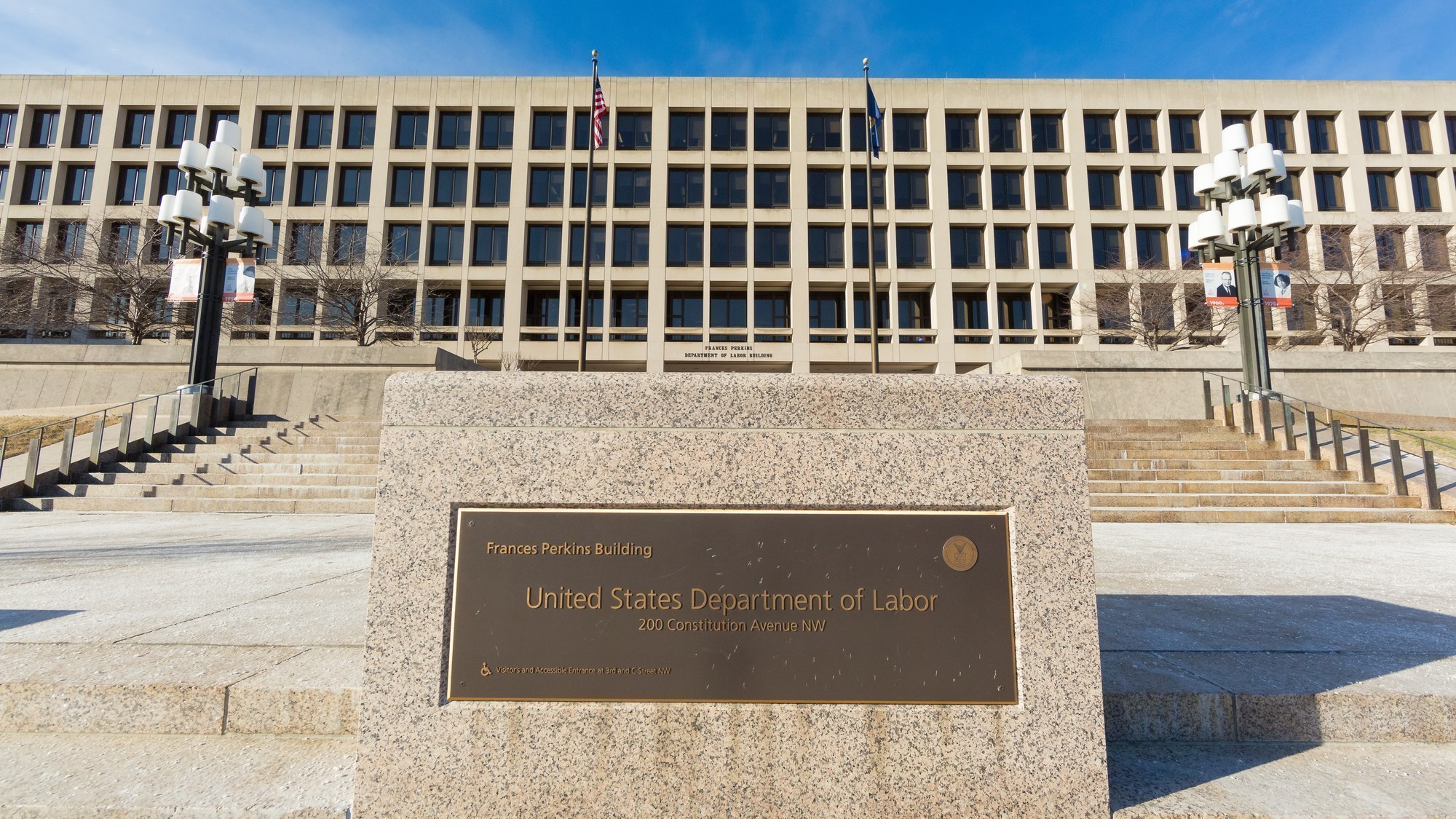
A year-end accounting from the Labor Department’s benefits enforcement arm shows that more than 8,000 people who once worked for companies with pension plans that later shut down have collected money the law says they were owed all along. The recoveries did not happen this week or even this year — they cover fiscal year 2025, the 12 months ending last September — but the mechanism behind them is a permanent, ongoing part of how federal regulators police pension plans after a company closes its doors or ends its retirement program.
Who Actually Got Paid, and Why
The money went to what the Employee Benefits Security Administration, or EBSA, calls “terminated vested participants” — people who no longer work for the employer that sponsored their pension but who had already earned a vested right to a benefit from that plan. According to EBSA’s fiscal year 2025 enforcement fact sheet, the agency’s civil investigations recovered $512.5 million owed to 8,015 of these participants in defined benefit pension plans. That figure, the fact sheet notes, combines the present value of lifetime annuity payments or lump-sum cash-outs with interest owed on distributions that were paid late, whether as retroactive lump sums or folded into an adjusted future annuity.
A Small Piece of a Larger Enforcement Year
The pension recovery is the largest single category inside a bigger number. EBSA’s civil investigations recovered $714.4 million overall in fiscal 2025, of which the $512.5 million in terminated-vested-participant payments was the majority, with the remaining $201.9 million coming from other investigation types. Enforcement recoveries were themselves only part of the agency’s $1.4 billion total for the year, which also included $468.7 million recovered through informal complaint resolution by EBSA’s benefits advisors, $117.3 million distributed through the Abandoned Plan Program for plans left behind by defunct companies, $39.1 million through the Voluntary Fiduciary Correction Program, and $67 million in No Surprises Act medical-billing recoveries, according to the same fact sheet.
Free retirement updates: Want plain-English help keeping more of your money in retirement? The free Retirement Shield newsletter covers the benefits, deadlines, and money mistakes that cost retirees, a couple times a week. Subscribe free.
How a Terminated Pension Plan Still Owes Someone Money
A defined benefit pension plan can end for many reasons — a company closes, merges, goes bankrupt, or simply decides to stop offering the benefit — but ending the plan does not erase what it owes people who already earned a benefit under it before termination. In practice, some of those participants get lost in the paperwork: an employer moves, records go stale, or a former worker never receives notice that a benefit is waiting. EBSA’s Jan. 30, 2026 announcement of the fiscal 2025 results describes this recovery work as part of the agency’s broader mission “to ensure access to secure retirement, health and other work-related benefits for American workers and their families,” in the words of Assistant Secretary for Employee Benefits Security Daniel Aronowitz.
The Enforcement Machinery Behind the Number
The $512.5 million did not come from a single case. EBSA closed 878 civil investigations in fiscal 2025, and 556 of them — 63 percent — produced a monetary result or other corrective action. Cases that could not be resolved voluntarily were referred to the Solicitor of Labor for possible litigation; EBSA referred 75 cases for litigation that year, though many are still resolved through negotiated relief rather than a courtroom judgment. The agency oversees roughly 837,000 private pension plans and 155 million workers, retirees and their dependents nationwide, giving a sense of scale for how one enforcement program’s caseload can still reach thousands of individual people in a single year.
Why This Recovery Rarely Makes Headlines
Unlike a class-action settlement with a claim form and a deadline, EBSA’s pension recoveries typically happen case by case, often without the affected person ever filing anything themselves — the agency identifies the shortfall during an investigation and directs the plan or its administrator to pay what is owed. That makes this kind of recovery easy to miss even for the people it affects, since there is no public notice to watch for and no application to submit. The fact sheet’s own footnote on the $512.5 million figure is a reminder of how technical this work is: the number represents “a combination of the present values of lifetime annuity payments or cash-out lump-sum balance payments, plus interest,” calculated plan by plan, participant by participant, over the course of a full enforcement year.
The fiscal 2025 numbers are backward-looking, but the underlying process that produced them keeps running. EBSA’s fact sheet notes the agency’s Benefits Advisors closed 222,246 inquiries from the public in fiscal 2025 alone, separate from the enforcement investigations that produced the pension recoveries, and recovered another $468.7 million through those informal complaint resolutions. Someone who worked for a company whose defined benefit pension plan later shut down, merged, or changed hands — and who never received a benefit they believe they earned — can raise the issue directly with EBSA through its toll-free number, 1-866-444-3272, or online at askebsa.dol.gov, the same channels the agency’s own fact sheet lists for the public inquiries that fed into this year’s results.
What the rule leaves out
Which account a withdrawal comes from first decides how much of a retirement income is taxed, and no agency notice works that order out.
The Retirement Tax & Withdrawal Planner includes a 12-page planner, four calculators (provisional income, IRMAA tier, RMD schedule, Roth bracket fill) and the senior deduction.
See the account withdrawal order in The Retirement Tax & Withdrawal Planner.
AI tools assisted in researching and drafting this article, which was reviewed prior to publication.