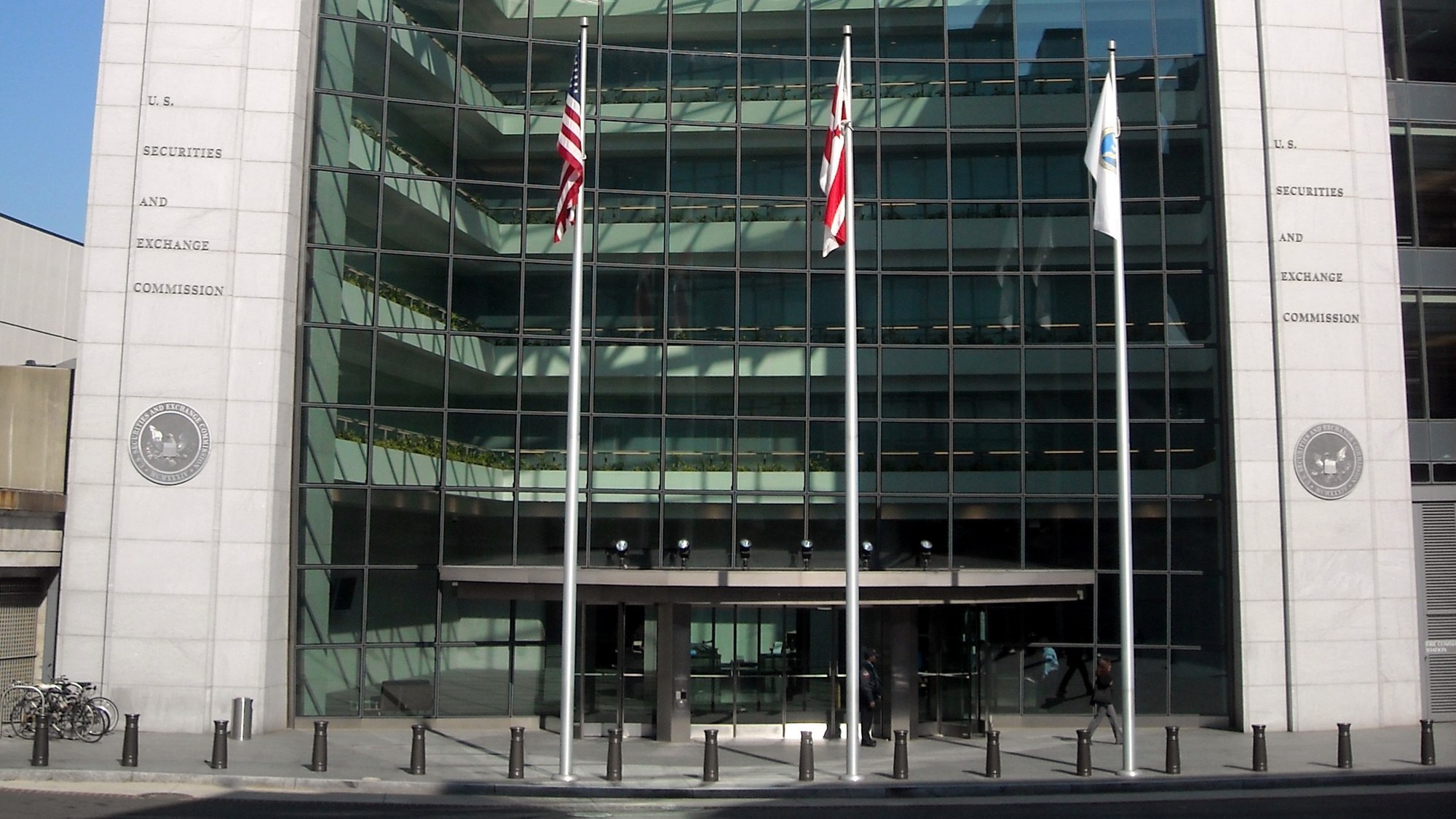
The Securities and Exchange Commission has charged two former executives of a Bay Area private investment firm with running what regulators call a Ponzi-like scheme that left roughly 190 investors, many of them retired seniors, owed close to $121 million. Mark Hanf, the former chief executive of Novato-based Pacific Private Money Group, and Hoai-Nam Chu Phan, the former chief operating officer of one of the firm’s subsidiaries, raised the money by promising fixed or preferred returns from real-estate lending. Regulators say the pair instead used incoming investor cash to pay off earlier investors once withdrawal requests outpaced what the funds actually held. By the time the scheme unraveled, recoverable assets had shrunk to a fraction of what investors were owed.
A Real-Estate Lending Pitch That Ran on New Investor Money
According to the SEC’s September 1 complaint, Hanf and Phan told investors in two of the firm’s private funds, from roughly December 2021 through November 2025, that their money would fund loans secured by real estate and that they could expect steady, fixed-rate returns from that lending activity. The agency alleges the two men raised more than $80 million from approximately 190 mostly retail investors this way. Rather than relying on actual earnings from real-estate lending, the SEC says Hanf and Phan regularly used new investor capital to make Ponzi-like payments to earlier investors, a pattern that can continue only as long as new money keeps arriving. The agency also alleges Hanf personally diverted more than $7 million of investor funds for his own use during the same period. Because private funds like these are not required to register their offerings the way publicly traded securities are, investors relied largely on the defendants’ own representations about how their money was being used, with no independent, publicly available reporting to check those claims against.
Free retirement updates: A quiet rule change can shrink your Social Security or Medicare check, and no one warns you. The free Retirement Shield newsletter catches these early and tells you what to do. Get it free.
From Nearly $121 Million Owed to Less Than $17 Million Recoverable
The scheme began to fall apart in the fall of 2025, according to Jason Lee, Associate Director of the SEC’s San Francisco Regional Office, as investors began demanding withdrawals the defendants could not cover. By February 2026, the SEC says, total outstanding investments across the two funds stood at almost $121 million, while the total recoverable assets tied to those funds were estimated at less than $17 million. “That amounts to devastating losses for so many investors,” Lee said in the agency’s statement announcing the charges. The gap between what was owed and what remains shows how far a private fund can drift from its stated lending business before outside investors have any way of knowing. Because the two funds’ outstanding obligations to investors — nearly $121 million — vastly exceeded the roughly $80 million the SEC says was actually raised, the shortfall also reflects promised returns that were credited to investor accounts on paper but were never backed by real money.
SEC and Parallel Criminal Charges Filed in Northern California
The SEC’s civil complaint, filed in the U.S. District Court for the Northern District of California, charges Hanf with violating the broad antifraud provisions of Section 17(a) of the Securities Act of 1933 and Section 10(b) of the Securities Exchange Act of 1934, along with the related Rule 10b-5. Phan faces a narrower set of charges under Sections 17(a)(1) and (3) of the Securities Act — the provisions covering fraudulent schemes and transactions that operate as a fraud on investors — plus Section 10(b) and Rule 10b-5, but not the middle provision of Section 17(a) that covers obtaining money through an untrue statement. Without admitting the SEC’s allegations, both men consented to judgments that would permanently bar them from violating those securities laws and from participating in the offer or sale of securities except for their own personal accounts, with the exact amount of any disgorgement, interest, and civil penalties to be decided later by the court. In a parallel action, the U.S. Attorney’s Office for the Northern District of California announced separate criminal charges against Hanf and Phan tied to the same conduct.
What the Case Signals for Private Fund Oversight
Private real-estate lending funds like the ones at the center of this case are not publicly traded and carry none of the routine reporting requirements attached to mutual funds or public securities, which is part of why the SEC’s San Francisco office has treated this kind of offering as an area of continued scrutiny. The SEC’s account of the case describes returns that were “sourced largely from new investor money rather than from any fund earnings connected with their real estate lending business” — the defining feature of a Ponzi-like structure, where payouts to existing investors depend entirely on continued fundraising rather than the underlying business actually performing. The scheme ran for roughly four years, from December 2021 to November 2025, with outstanding investments in the two funds climbing to nearly $121 million even as the underlying lending business could not have supported the returns investors were promised. With the civil case still awaiting court approval of the proposed judgments, and a separate criminal case now moving forward in the same district, the SEC’s press release remains the most current official account of how much money is missing and how the agency intends to pursue it.
Inside the planner
Four calculators covering provisional income, IRMAA tier, the RMD schedule and Roth bracket fill, plus the senior deduction and the IRMAA appeal route.
The Retirement Tax & Withdrawal Planner includes a 12-page planner, four calculators (provisional income, IRMAA tier, RMD schedule, Roth bracket fill) and the senior deduction.
Open The Retirement Tax & Withdrawal Planner.
This article was written with the assistance of AI and reviewed for accuracy before publication.