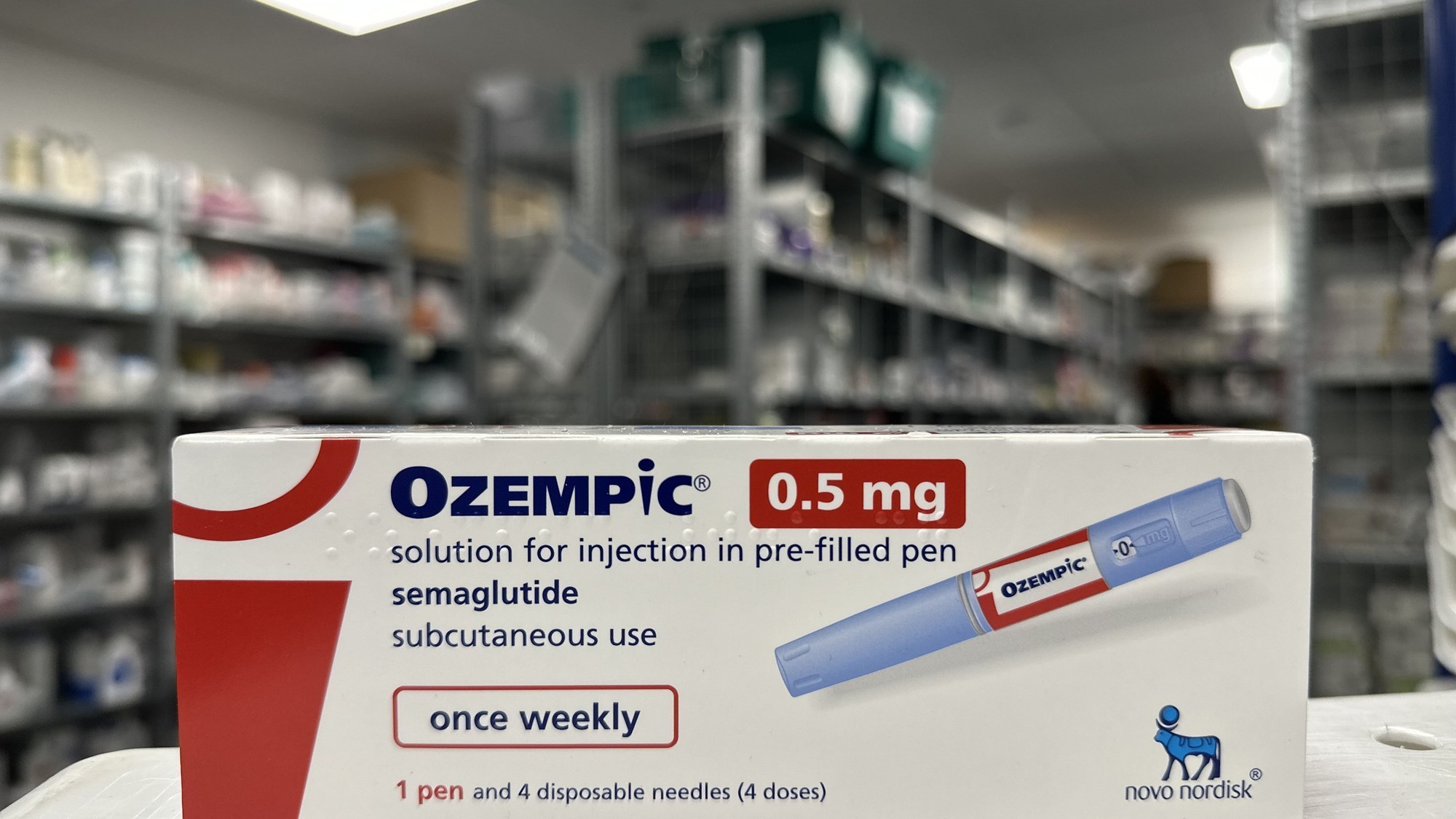
Roughly 5.3 million people with Medicare Part D coverage are set to pay less for a group of widely used prescriptions starting January 1, 2027, when a second round of government-negotiated drug prices takes effect. Part D covers prescription costs for tens of millions of Medicare beneficiaries, and this second round touches more than $40 billion in annual drug spending, making it one of the most consequential pricing changes to reach the program since it began covering medications two decades ago. The 15 medications on the list treat conditions ranging from type 2 diabetes and asthma to prostate cancer and bipolar disorder, and the group includes two of the most talked-about drugs on the market: Novo Nordisk’s Ozempic and Wegovy.
How the second round of negotiations played out
The Medicare Drug Price Negotiation Program, created under the Inflation Reduction Act, allows the federal government to negotiate directly with manufacturers of certain high-cost drugs that face no generic or biosimilar competition. A first cycle covering ten drugs, including the blood thinner Eliquis and the diabetes drug Jardiance, already produced negotiated prices that took effect on January 1, 2026. The second cycle, covering the 15 drugs now scheduled for January 2027, followed a similar structure on its own separate timeline.
Manufacturers of the 15 selected drugs were named to the second negotiation cycle in January 2025 and had until the end of that February to decide whether to participate, since declining carries financial penalties under the statute. Formal offers, counteroffers and negotiation meetings between the Centers for Medicare & Medicaid Services and each manufacturer ran through the summer and fall of 2025, and by CMS’s account, agreement was reached on all 15 prices by November 1, 2025 — including a price of $274 for a 30-day supply of Ozempic, Rybelsus and Wegovy, down from a 2024 list price of $959, a discount of about 71 percent for a drug group used by roughly 2.28 million Part D enrollees the year before. Had the negotiated prices been in effect during 2024, CMS estimates net Medicare spending on the 15 drugs would have run about 44 percent lower, or roughly $12 billion less for the year. Every Medicare drug plan, whether a standalone Part D plan or a Medicare Advantage plan with drug coverage, must include the negotiated-price drugs in its formulary once the prices take effect, so the savings will not be limited to a narrow set of plans.
Free prescription checklist: When a drug’s price or coverage rule changes, the next refill is where it shows up. Get the free coverage and pharmacy checklist.
Free download from RetireShield. Getting it also signs you up for the free Retirement Money Brief, a weekday email. Unsubscribe anytime.
The cancer, lung and diabetes drugs that round out the list
The remaining 14 drugs cover a wide range of chronic and serious conditions, according to the CMS page listing the full second-cycle roster: the prostate cancer drug Xtandi, the breast cancer treatment Ibrance, the multiple myeloma drug Pomalyst, the pulmonary fibrosis medication Ofev, the leukemia treatment Calquence, the asthma and COPD inhalers Trelegy Ellipta and Breo Ellipta, the diabetes drugs Tradjenta and Janumet, the bipolar and schizophrenia drug Vraylar, the constipation treatment Linzess, the movement-disorder drug Austedo, the digestive drug Xifaxan, and the psoriasis and Behçet’s disease treatment Otezla. Participating manufacturers span large multinational drugmakers such as Pfizer, AbbVie, AstraZeneca and Merck, along with companies whose Medicare exposure is concentrated in one or two products. Together, the 15 drugs accounted for about 15 percent of all Part D gross drug spending during 2024.
With both negotiation cycles now producing effective prices — the first reaching pharmacies in 2026 and the second in 2027 — a growing share of Medicare’s prescription drug benefit is tied to a government-negotiated rate rather than a manufacturer’s list price. A third cycle, covering drugs that would carry negotiated prices starting in 2028, is already moving through its own review process, and prices from this second cycle are set to be adjusted annually afterward based on the change in the consumer price index rather than renegotiated from scratch each year.
The projected savings once prices take effect
Medicare projects that once the new prices take hold in 2027, Part D enrollees will save a combined $685 million in out-of-pocket costs under the program’s standard benefit design, according to the American Hospital Association’s account of the November 25 announcement. CMS has said it will publish a full explanation of how each of the 15 prices was reached by March 2026, roughly ten months before the new prices reach pharmacy counters nationwide.
Where Part D costs still need tracking beyond the negotiated list
The 15 negotiated drugs cover only a slice of what Medicare enrollees fill every month, and most prescriptions on a typical plan formulary are still priced the old way, subject to tier placement, prior authorization and yearly formulary changes. Tracking which drugs carry a negotiated price, which do not, and how a plan’s formulary shifts from one year to the next is a separate task from following the negotiation program itself.
It is a 10-page kit covering 51 state Medicare cost-help packs and the new Part D out-of-pocket cap.
Compare plan costs and formulary changes in The Medicare Cost & Coverage Protection Kit.
This article was researched and drafted with the help of AI and reviewed by The Financial Wire editorial team before publication.