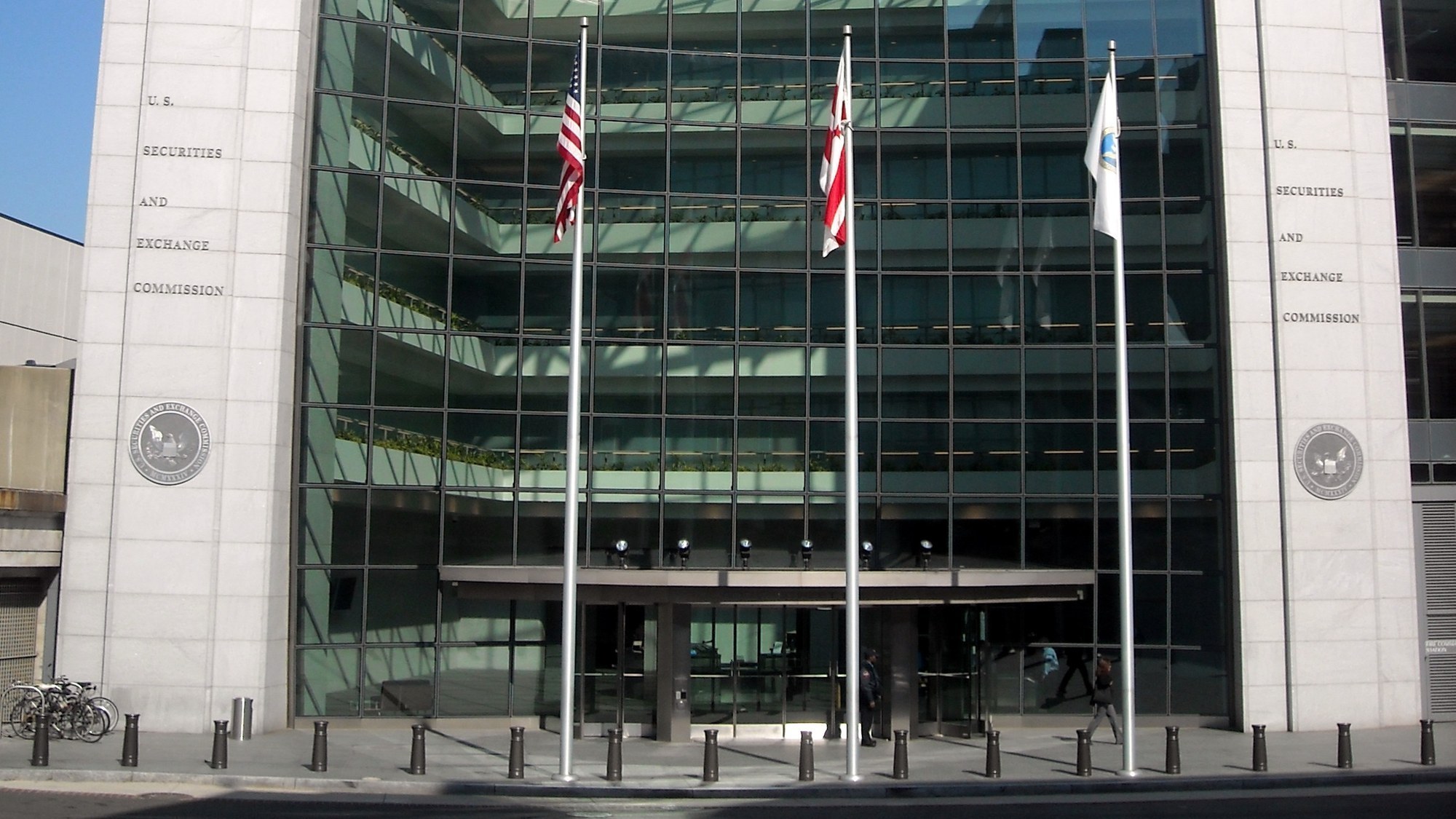
A Miami woman has pleaded guilty to running a Paycheck Protection Program scheme that federal prosecutors say cost about $4.8 million, one case among more than 160 defendants swept up in a nationwide pandemic-fraud enforcement push disclosed this month. Tanya Pierre’s guilty plea, entered in August, covers not only the PPP losses but a second, separate fraud scheme prosecutors tied to her at the same time.
A PPP Scheme and a Second Conspiracy, Both Tied to One Plea
According to a U.S. Attorney’s Office release distributed through IRS Criminal Investigation, Pierre pleaded guilty to conspiracy to commit wire fraud tied to a Paycheck Protection Program scheme, with losses of approximately $4.8 million. The same release says she also pleaded guilty to a separate conspiracy to commit wire and bank fraud, tied to fraudulent mortgage and luxury apartment applications — a second scheme investigators built into the same case, distinct from the PPP loans meant to cover payroll for struggling small businesses during the pandemic.
Inside the kit: Pierre’s case moved from an August guilty plea to a November sentencing date months apart, with two separate fraud schemes bundled into one prosecution. Keeping a fraud evidence and report log and an account and device inventory current is what makes a case like that easier to track from the outside, and easier to untangle from the inside if it ever touches a household’s own accounts. Open The Senior Fraud Defense & First-Hour Recovery Kit for both.
Sentencing Set for November 19
Pierre’s sentencing is scheduled for November 19, 2026, according to the release, meaning the roughly three-month gap between her August guilty plea and a court-imposed sentence leaves the eventual penalty and any restitution order still undetermined as of this article. U.S. Attorney Leah B. Foley, whose District of Massachusetts office disclosed Pierre’s case, said of the broader pattern it fits: “Pandemic relief programs were created to keep businesses afloat and help Americans weather an unprecedented crisis — not to finance homes, luxury vehicles or other personal expenses. Years after these programs ended, we are still identifying and prosecuting those who allegedly exploited them.” A separate release covering related Ohio cases in the same nationwide surge quoted U.S. Attorney David M. Toepfer in similar terms: “Those who lie, deceive, and con their way into obtaining stimulus funds will be held accountable.”
One Case Inside a 160-Defendant Federal Sweep
Pierre’s plea is one of more than 160 criminal cases the Justice Department, the Small Business Administration and the SBA’s Office of Inspector General say the nationwide surge has now reached, covering conduct examined between June 12 and September 1, 2026. Roughly 80 of those defendants were newly charged during that window; the rest, including Pierre, had cases already moving through the courts before the surge accounting was made public. Two separate releases — one from the District of Massachusetts, which also disclosed Pierre’s case, and one covering related cases in Ohio — put the surge’s combined intended losses at about $245 million. The same Massachusetts release named four other defendants alongside Pierre: David Breen of Mount Pleasant, South Carolina, ordered to pay $1,148,368 in restitution for diverting a bowling-alley disaster loan into a home and a truck; Wilfredo Payano Batista of Worcester, indicted on identity-theft charges tied to stolen PPP and unemployment benefits; Patrick Nerese of Randolph, indicted on bank fraud and money laundering charges tied to more than $3.2 million in stolen and altered checks; and Wens Mathurin of Brockton, sentenced earlier in September to a day in prison, deemed already served, over a $313,852 fraudulent PPP loan.
Set against the surge’s $245 million total, Pierre’s $4.8 million in PPP losses is one of the larger individual figures disclosed in the September releases, behind only a handful of the more than 160 cases described in the broader accounting.
Why PPP Fraud Cases Keep Surfacing Years After the Loans Closed
The Paycheck Protection Program stopped accepting new loan applications years ago, but prosecutions like Pierre’s continue to surface because federal investigators are still working through loan files flagged for irregularities during the program’s rapid rollout. That lag between disbursement and prosecution is part of why the September releases describe cases spanning guilty pleas entered months or years apart, all bundled into a single accounting of the surge’s scope. For Pierre, the wire and bank fraud charged alongside the PPP conspiracy — tied to fraudulent mortgage and luxury apartment applications rather than anything connected to her business loan — shows how a single defendant’s case can combine more than one fraud scheme once investigators pull the full set of records tied to a name.
The Massachusetts release does not specify which financial institutions received the fraudulent mortgage or apartment applications, nor does it say whether Pierre obtained either the mortgage or the apartment lease she is accused of applying for fraudulently. What the release does establish is the sequence: a PPP loan application built around false payroll or revenue figures, followed by a separate set of housing-related applications that investigators eventually folded into the same case rather than charging separately. That sequencing — one flagged application widening into a review of a defendant’s other financial dealings — recurs across several of the surge’s disclosed cases, though the September releases describe it happening case by case rather than as a formal, agency-wide practice.
A PPP Case That Widened Into a Second Fraud Scheme
Tanya Pierre’s guilty plea covers both the Paycheck Protection Program scheme and a separate mortgage and luxury-apartment fraud conspiracy, the kind of case that widens once investigators start pulling records. The unfinished practical job that leaves for anyone managing an aging relative’s paperwork is keeping loan, lease and account documents organized enough that a records pull would not turn up anything unexplained.
The Senior Fraud Defense & First-Hour Recovery Kit includes the first-hour recovery plan and the family code word built for exactly that kind of organizing.
Look up the first-hour recovery plan in The Senior Fraud Defense & First-Hour Recovery Kit.
This article was produced with AI assistance and checked against the primary sources linked above.