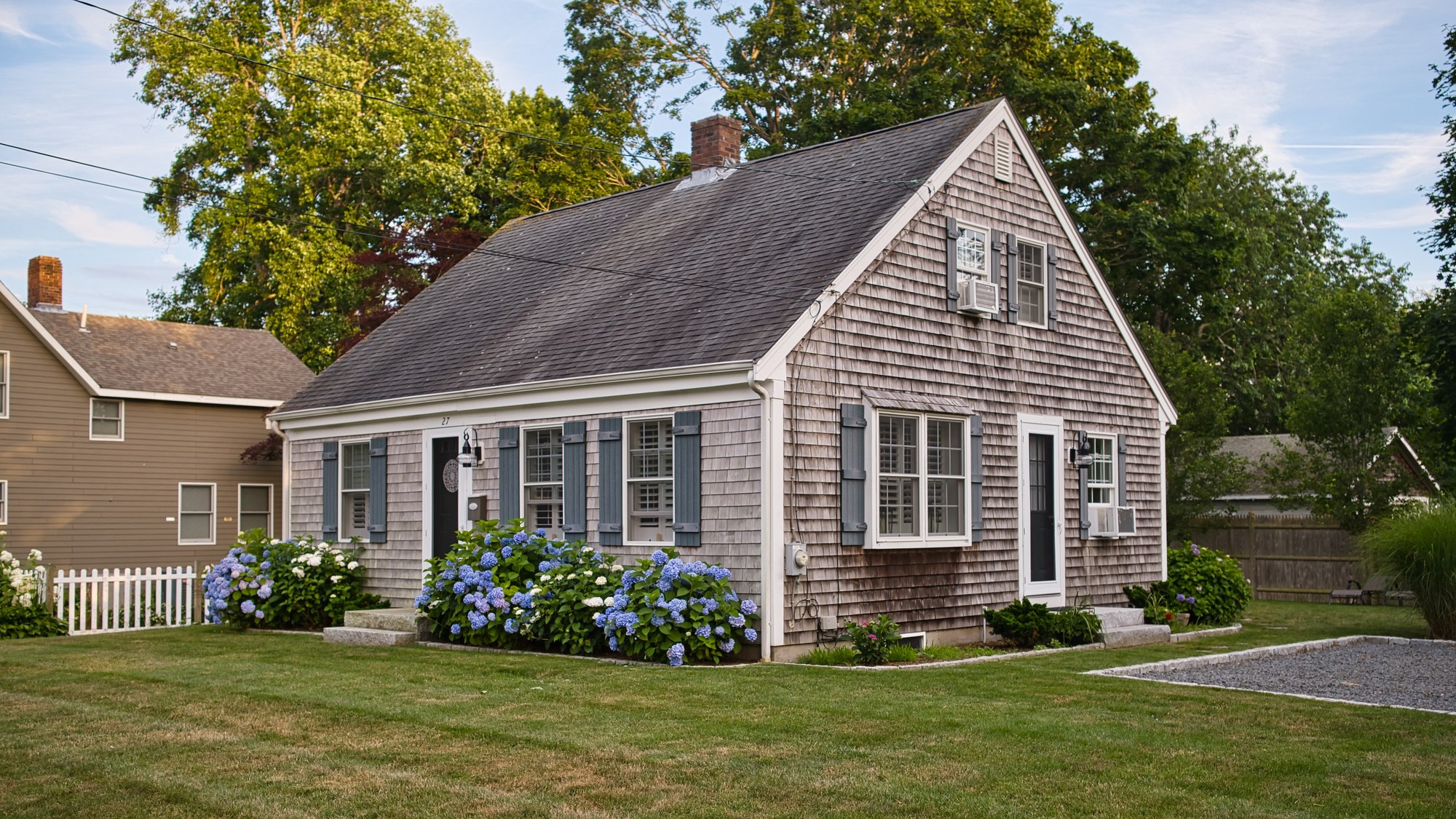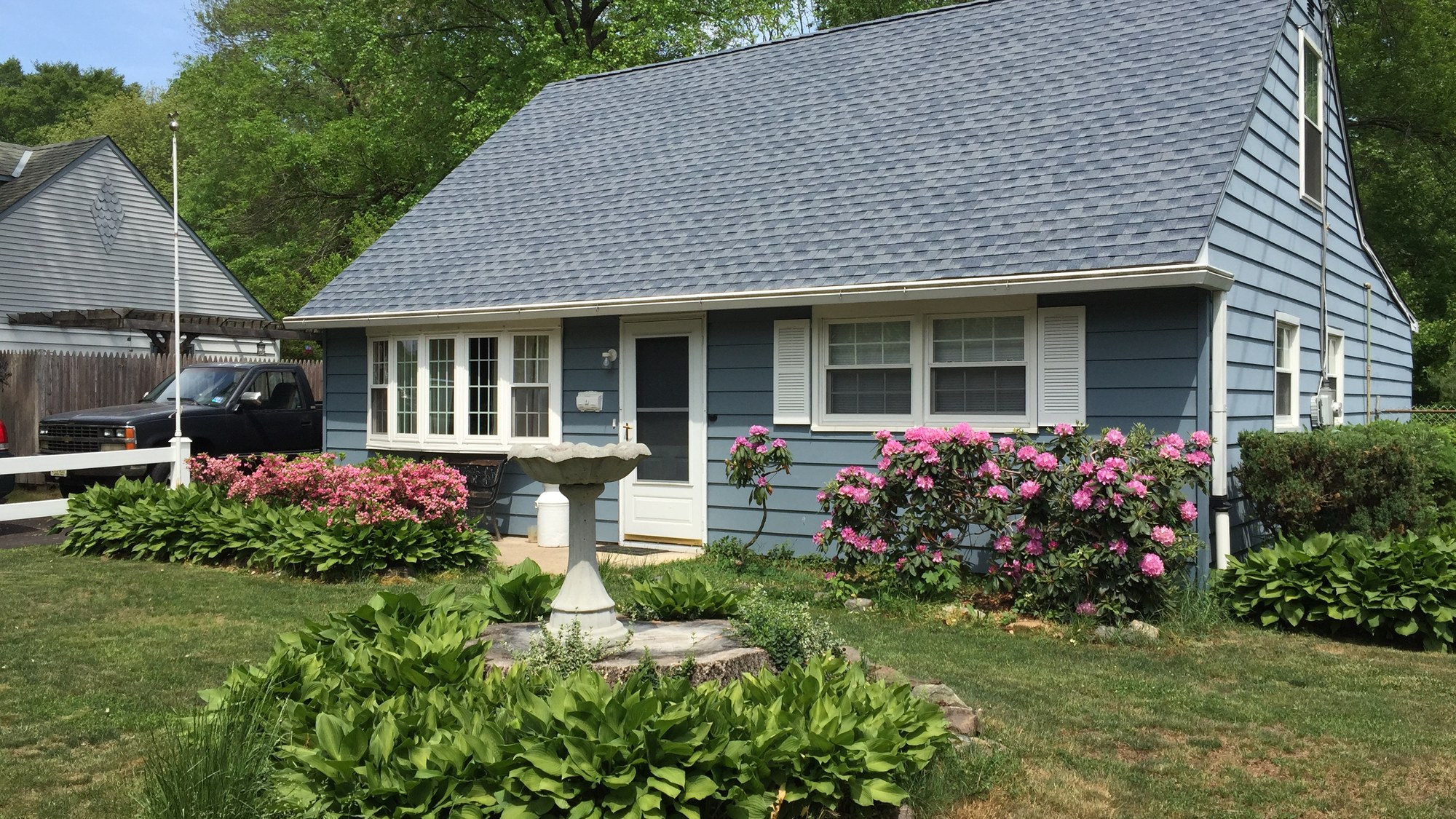
A new home cost less to buy in August than it did a year earlier, a reversal from the pattern of steadily climbing new-home prices that has defined much of the past several years. The median sales price of a new single-family home was $393,700 in August, down 5.8% from $417,900 a year earlier, federal data show. In dollar terms, that is roughly $24,200 off the typical new home’s price tag, a meaningful shift for anyone budgeting a home purchase around a fixed monthly income.
A Year-Over-Year Decline, Confirmed In The Data
The median price of a new home sold in August was $393,700, 5.8% below the $417,900 median recorded in August 2025, according to the Census Bureau’s New Residential Sales report, released September 24, 2026 jointly with the Department of Housing and Urban Development. The bureau attaches a margin of error of ±8.2 percentage points to that year-over-year change in the same report, meaning the true decline could be somewhat smaller or larger than 5.8%, though the direction, a lower typical price than a year ago, is what the report states. In dollar terms, the decline works out to roughly $24,200 off the year-ago median, calculated directly from the two prices in the same report, a figure large enough to change what a monthly mortgage payment looks like even before accounting for interest rates.
What a lower price tag leaves out: The median new-home price tells a buyer what a new home costs to close on, but it says nothing about what that home costs to keep afterward, from the property-tax bill tied to its assessed value to the utility costs that come with a new address. See what applies after closing in The Senior Property Tax & Home-Cost Relief Kit.
What A Median Price Does And Doesn’t Show
A median tracks the midpoint of homes actually sold in a given month, which means the figure can move because prices on similar homes changed, because the mix of homes sold shifted toward smaller or less expensive properties, or some combination of both, a distinction the Census report itself does not break out. The same report shows new-home sales rose 6.4% in August to a seasonally adjusted annual rate of 684,000, while the supply of new homes for sale stood at 8.5 months, according to the same Census data. A falling median arriving alongside a large available inventory is the kind of pattern that tends to accompany builders competing more directly on price, though the bureau’s report does not state that as the cause.
A Different Market Than The One Most Sellers Are In
This price data covers newly built homes exclusively; it says nothing directly about the resale value of an existing home, which the Census Bureau tracks in a separate report built from a different set of transactions. That distinction matters for an older homeowner planning to sell a current house to help finance a move: the $393,700 median describes what a new home costs to buy, not what an existing home in the same market will sell for, and the two figures can move in different directions in the same period even though both appear in housing coverage drawn from the same broader data cycle.
What A Lower Median Means For A Retirement Budget
For a retiree comparing the cost of downsizing into new construction against staying in a current home, a median price 5.8% below where it stood a year ago, combined with the same report’s 8.5-month supply figure, points toward more room to negotiate than a buyer faced twelve months ago, based on the Census Bureau’s figures. That does not mean every builder or every market is offering the same discount; the national median blends results from many regions and price points, and an individual buyer’s experience will depend on the specific market and builder involved. The same caution applies in reverse to anyone assuming the decline means home construction costs are falling broadly; the median reflects prices actually paid on homes actually sold, not the underlying cost of materials or labor, which the Census report does not measure in this release.
A Lower Sticker Price, A Full Set Of Ownership Costs
The Census Bureau’s median new-home price, down 5.8% from a year ago, describes what a new home costs to close on, but the report stops there. It does not address the property-tax exemption, freeze or circuit-breaker credit that a new owner may be entitled to, or the separate heating, cooling and home-repair costs that follow any home regardless of its price.
The Senior Property Tax & Home-Cost Relief Kit adds property-tax freezes and an application log for whatever gets filed on a new home, beyond the five property-tax relief categories for older homeowners.
Compare a new address against those relief categories in The Senior Property Tax & Home-Cost Relief Kit.
This article was produced with AI assistance and checked against the primary sources linked above.